LEGAL

Detailed Report
-
The Constitutional Review: Stepping into a high-profile legal standoff involving the country's top executive office, the Federal Constitutional Court (FCC) on Friday, June 12, 2026, officially scheduled the Dr. Aafia Siddiqui repatriation case for a formal hearing. The court will simultaneously hear an appeal filed by the federation challenging prior high court orders that directed contempt of court proceedings against the Prime Minister and the federal cabinet.
-
The Roster and Timeline: A two-member FCC bench, presided over by Justice Aminuddin Khan, is locked in to commence formal proceedings on June 16, 2026. During the upcoming session, the constitutional jurists will examine the structural legality of the federal government's appeal alongside the legal parameters of the baseline verdicts previously issued by the Islamabad High Court (IHC).
The Prior Contempt Context: The legal battle stems from an earlier single-bench ruling by the Islamabad High Court, which triggered a contempt of court mandate against the Prime Minister and cabinet ministers over an alleged failure to implement state-directed protocols regarding Dr. Aafia Siddiqui's case. The federal government swiftly moved to challenge that verdict, asserting that the administration had acted within its constitutional boundaries.
-
The Master of the Roster Overrule: Providing massive retrospective context to the case, a larger bench of the Islamabad High Court had already withdrawn the controversial contempt orders against the Prime Minister and the federal cabinet. In its definitive judgment, the IHC larger bench declared that the original single-bench order issued on July 21, 2025, was legally unsustainable because the specific bench had been assembled outside standard administrative frameworks.
-
Administrative Supremacy Upheld: The IHC larger bench strongly reiterated that under prevailing judicial rules, the Chief Justice of the Islamabad High Court remains the sole "Master of the Roster" and holds exclusive administrative authority to constitute benches. The court explicitly ruled that no individual judge can unilaterally assume jurisdiction outside the prescribed regulatory framework. It further clarified that any internal grievances or challenges regarding roster allocations must be resolved through established internal administrative channels rather than self-styled, arbitrary judicial actions.
-
Punjab Imposes Section 144, Banning Pillion Riding...
The Punjab government has imposed Section 144 across the province, banning motorcycle pill...

-
Jailed Pakistani Human Rights Lawyers Imaan Mazari...
Incarcerated Pakistani lawyers Imaan Zainab Mazari and Hadi Ali Chattha have been awarded ...

-
Green Light for Privatisation: President Zardari A...
President Asif Ali Zardari has signed the PIA Corporation (Conversion) (Repeal) Bill, 2026...

-
Constitutional Court Interrogates Supreme Court’...
The Federal Constitutional Court has raised sharp procedural questions over the Supreme Co...
.jpg)
-
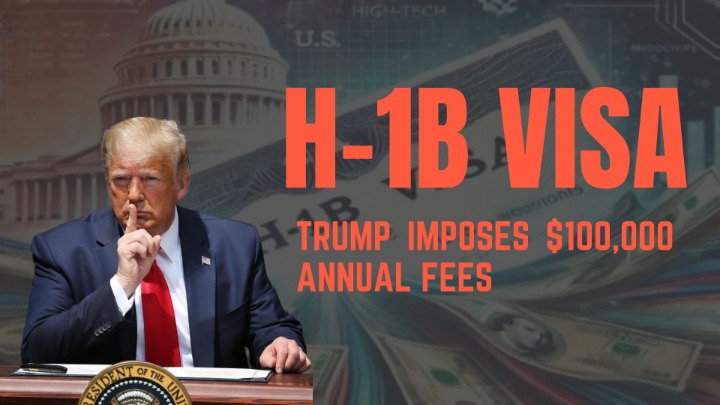
Federal Judge Strikes Down Trump’s $100,000 H-1B...
The FIA Counter-Terrorism Wing has busted a major forgery network operating out of a passp...