WORLD NEWS
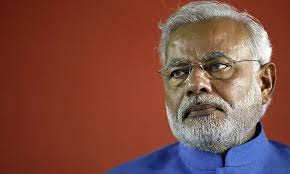
The Indian National Congress on Friday sharply criticized the Narendra Modi-led Bharatiya Janata Party (BJP) government after the US temporarily allowed Russian oil stranded at sea to be sold to India. The opposition said the move raises serious questions about India’s sovereignty in managing its national interests.
The US Treasury Department, through the Office of Foreign Assets Control, issued a Russia-related license permitting the delivery and sale of Russian crude oil and petroleum products loaded on vessels as of March 5, 2026, to India. The authorization, valid until April 3, 2026, was described by Treasury Secretary Scott Bessent as a short-term measure aimed at keeping oil flowing into global markets amid heightened tensions in the Middle East following the US-Israel strikes on Iran.
The Congress party accused the Modi government of being “completely compromised” and criticized it for allowing the US to dictate India’s oil purchases. “Who is the US to ‘permit’ India to buy oil?” the party asked in a post on X, asserting that India is a sovereign nation and should make its own decisions on energy policy.
Congress highlighted that India had previously committed to stopping Russian oil purchases under a trade agreement with the US. The party’s Karnataka chapter further questioned why India would need approval from a foreign power to act in its own national interest.
The waiver was intended to allow Russia to sell oil that was already stranded at sea, without providing substantial financial benefit to Moscow. Treasury Secretary Bessent said the move also aimed to alleviate global energy pressures caused by Iran’s recent actions, although India maintains its commitment to the US trade deal.
The controversy comes against the backdrop of US sanctions imposed last November under former President Donald Trump on Russian oil majors, including Lukoil and Rosneft, in response to Moscow’s 2022 invasion of Ukraine. Russia reportedly circumvented sanctions by amassing a fleet of older tankers with opaque ownership to continue selling oil.
The Congress criticism underscores rising political tensions in India over the country’s energy strategy and dependence on foreign powers amid global market volatility.
-
FBI Records Released on Woman’s Sexual Misconduc...
FBI records reveal a woman accused Trump of sexual misconduct in the 1980s; White House ca...

-
US-Israeli Attacks Hit Tehran School, UN Calls for...
Tehran’s Shahid Hamedani School reportedly hit in US-Israeli attacks. At least 181 child...

-
Trump Demands “Unconditional Surrender” from I...
Trump declares the only path to a deal with Iran is unconditional surrender, promising US-...
-
Iran Denies Trump’s Claim of Phone Call, Warns U...
Iran rejects Trump’s claim of a deal call, warns US: “Any military action would be a d...
-
Qatar Warns Middle East War Could Push Oil to $150...
Qatar’s Energy Minister warns Iran–US–Israel conflict could spike oil prices to $150...