POLITICS & POLICY MAKING
Detailed Report
-
The Bilateral Consensus: Attempting to de-escalate intensifying diplomatic and territorial friction, Bangladesh and India finalized a comprehensive border management agreement on Friday, June 12, 2026. Following a high-stakes, four-day summit of apex border commands in New Delhi, the Border Guard Bangladesh (BGB) and India’s Border Security Force (BSF) issued a joint communique committing to synchronized border patrols, heightened physical vigilance, and the immediate deployment of real-time intelligence-sharing mechanisms.
-
The Push-In Flashpoint: Relations between the South Asian neighbors have grown increasingly strained following the August 2024 ousting of former Bangladeshi Prime Minister Sheikh Hasina. The primary catalyst for the current geopolitical dispute centers on explicit accusations from Dhaka that Indian state authorities are executing summary, extrajudicial "push-ins"—arbitrarily forcing Bengali-speaking Muslims across the frontier without legal due process. Bangladesh’s State Minister for Foreign Affairs, Shama Obaed Islam, issued a stern warning this week, characterizing these uncoordinated expulsions as "absolutely unacceptable" and destructive to regional stabilization efforts.
The Trans-Border Demographics: The two nations share a massive, porous 4,000-kilometer (2,500-mile) frontier, ranking as one of the longest international borders in the world. India's ruling Bharatiya Janata Party (BJP)—which maintains administrative control over critical frontier states including West Bengal, Assam, and Tripura—has prioritized the aggressive identification and deportation of individuals categorized as "illegal infiltrators." In response, the BGB has heavily reinforced its tactical posture, deploying specialized drone surveillance units and thwarting multiple unilateral crossing attempts over the past several weeks.
-
The Nationality Verification Dispute: While Dhaka has dispatched over a dozen formal diplomatic notes demanding an immediate halt to the forced crossings, New Delhi has pushed its own regulatory agenda. In May 2026, Indian immigration authorities formally requested that Bangladesh execute immediate nationality verification protocols for a initial batch of 2,860 suspected undocumented nationals currently residing within Indian territory.
-
Broader Security Architecture and Next Steps: Despite the underlying political friction, both border enforcement agencies characterized the bilateral dialogue as "cordial, positive, and forward-looking." Beyond the migration impasse, the delegations reviewed the comprehensive execution of the Coordinated Border Management Plan, expanding the scope of joint operations to target trans-border smuggling syndicates, drug cartels, and human trafficking rings, while working to minimize lethal border casualties. The top border commanders are scheduled to reconvene for a follow-up review summit in Dhaka in November 2026.
-
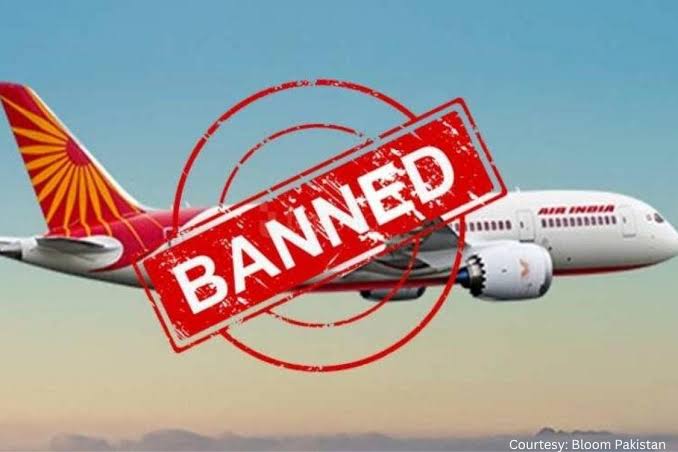
No Clear Skies: Pakistan Extends Total Ban on Indi...
The Pakistan Airports Authority has issued a new NOTAM extending the total ban on Indian c...
-
Exclusive: U.S.-Iran Peace Framework Details $300B...
A Reuters exclusive has revealed that the upcoming U.S.-Iran peace framework features a $3...

-
Pentagon Deploys Elon Musk’s Grok AI for Active ...
A U.S. Department of Justice legal brief has revealed that Elon Musk’s "Grok Gov Model" ...
.jpg)
-
‘We Reject PIMS Reports’: Aleema Khan Demands ...
Aleema Khan has categorically rejected PIMS medical reports regarding Imran Khan after he ...

-
Trump Confirms Signed U.S.-Iran Ceasefire Accord; ...
President Donald Trump has confirmed the signing of a preliminary 1.5-page U.S.-Iran cease...