WORLD NEWS
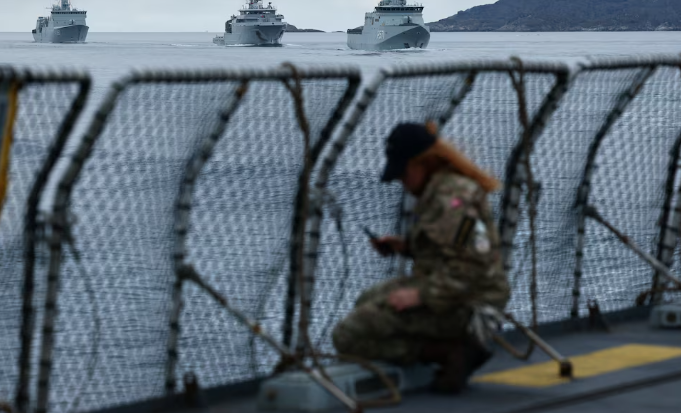
European leaders signaled a decisive push for greater military independence this weekend at the Munich Security Conference, reflecting growing concerns about the reliability of the United States as a security partner. European Commission President Ursula von der Leyen set the tone, saying, “Some lines have been crossed that cannot be uncrossed anymore.”
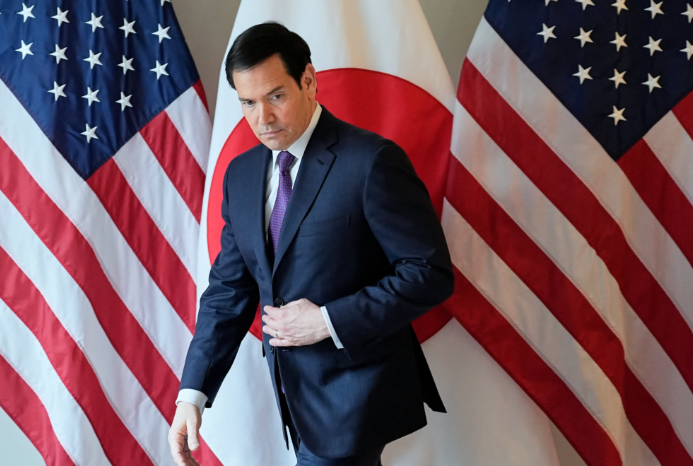
Tensions between the U.S. and Europe have been mounting, fueled by political moves including former President Donald Trump’s Greenland annexation proposal and his administration’s insistence that Europe take a more direct role in its own defence. Although U.S. Secretary of State Marco Rubio struck a warmer tone than last year, his speech avoided key issues such as NATO, Russia, or Moscow’s ongoing war in Ukraine, underscoring the growing gap in priorities between Washington and its European allies.
With the war in Ukraine entering its fifth year, European leaders including German Chancellor Friedrich Merz, French President Emmanuel Macron, and British Prime Minister Keir Starmer pledged to strengthen a “European pillar” within NATO. However, this push is also viewed as a hedge against a future U.S. president potentially reducing military support. Talks between Merz and Macron about a European nuclear deterrent highlight the seriousness of this shift, as France remains Europe’s sole independent nuclear power.
Europe’s intentions are backed by concrete steps: defence spending across the continent has risen nearly 80% since the Ukraine war began, with NATO members agreeing to increase core defence spending to 3.5% of GDP and an additional 1.5% on other security projects. Collaborative efforts are underway, including the European Long-range Strike Approach (ELSA), a multinational initiative to develop “deep strike” missile capabilities, as well as projects on ballistic missile defence and air-launched munitions.
Yet, challenges remain. High-profile pan-European programmes, such as the FCAS fighter jet project involving France, Germany, and Spain, have faced delays due to disagreements on industrial workshare and strategic priorities. Internal debates also persist over whether EU defence projects should favor European companies exclusively or allow broader participation, with France advocating for a “buy European” approach and Germany and the Netherlands favouring openness.
Ukrainian President Volodymyr Zelenskiy’s presence at the conference offered a sobering reminder of the stakes. Giant screens displayed the scale of ongoing attacks, with more than 6,000 drones and 150 missiles hitting Ukraine in the previous month alone. European leaders face mounting pressure to translate pledges into actionable military capability while balancing internal disagreements and transatlantic expectations.
-
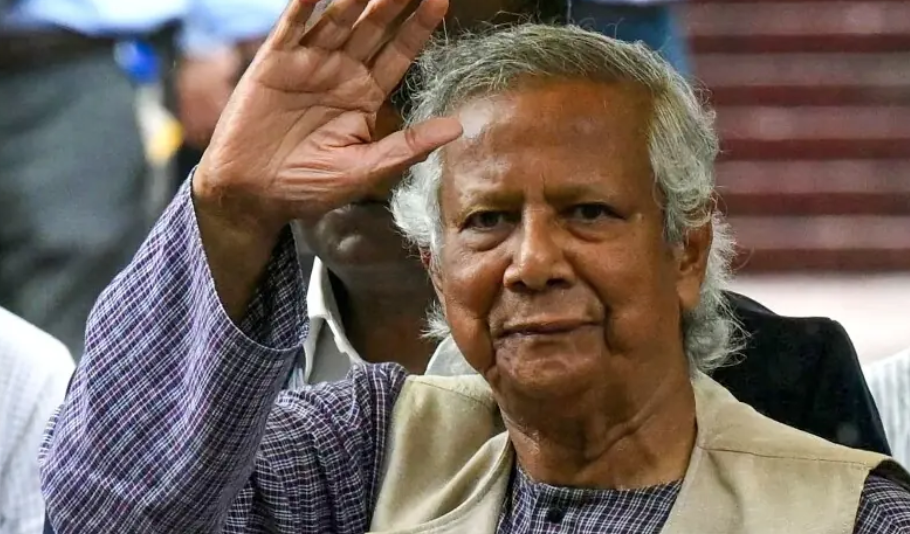
Muhammad Yunus Steps Down, Hands Power to Elected ...
Bangladesh’s interim leader Muhammad Yunus resigns, congratulates Tarique Rahman & BNP o...
-
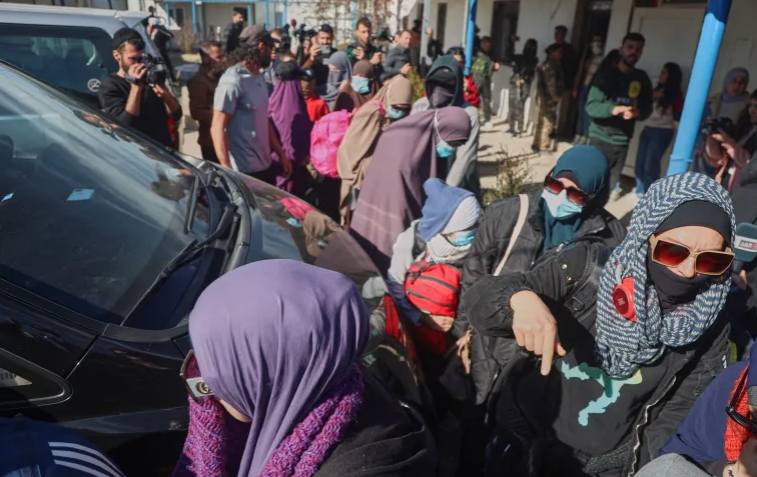
Kurdish Authorities Release Last Australians from ...
34 Australian relatives of ISIL fighters released from Syria’s Roj camp, set to fly to A...
-
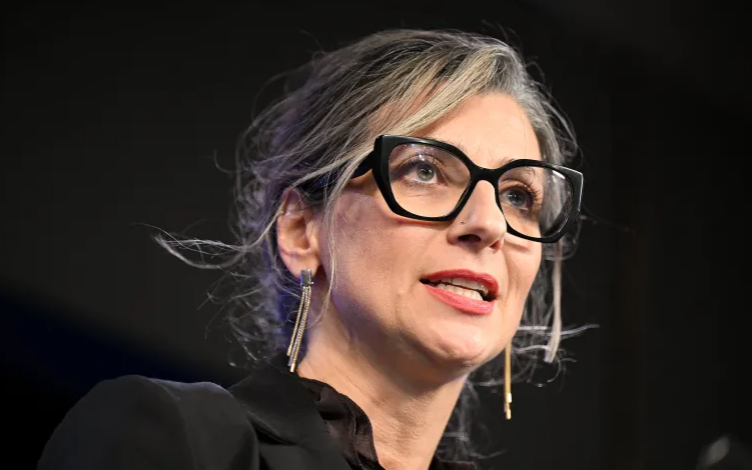
UN Staff and Human Rights Groups Defend Francesca ...
UN special rapporteur Francesca Albanese faces attacks from pro-Israel NGOs & European off...
-
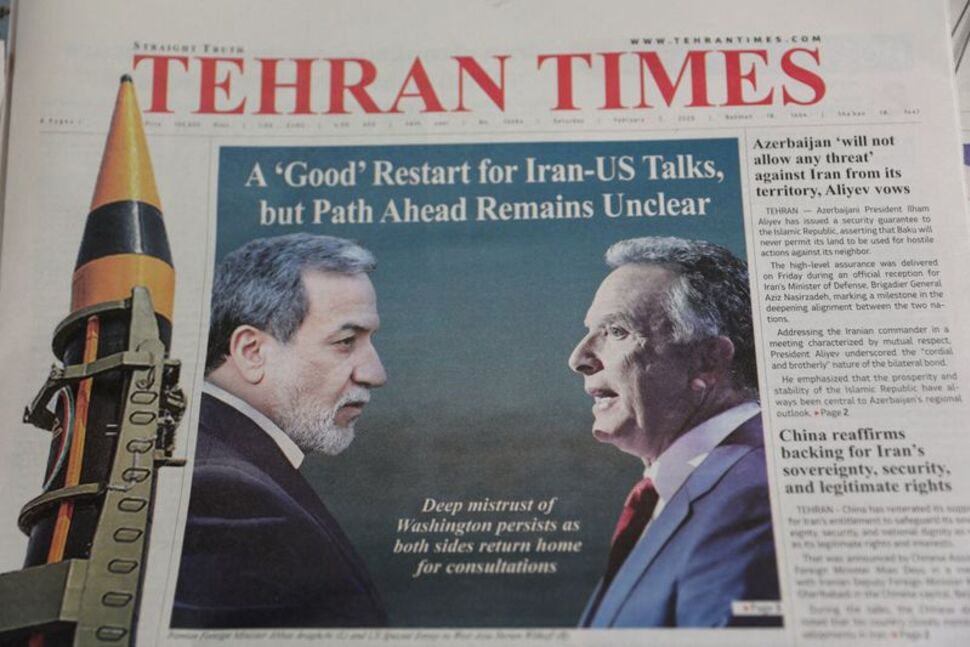
Iran-U.S. Nuclear Talks Resume Amid Military Drill...
Iran meets with the UN nuclear watchdog as U.S. tensions rise. Talks aim to curb nuclear p...
-
Rubio Calls U.S. “Child of Europe” at Munich S...
U.S. Secretary of State Marco Rubio calls America a “child of Europe” at Munich Securi...