TRADE & ECONOMY
.jpg)
Detailed Report
-
The IMF Fiscal Mandate: Under rigid oversight from the International Monetary Fund (IMF), the Federal Government of Pakistan is finalizing a aggressive fiscal squeeze for the upcoming FY2026-27 federal budget. Bureaucratic sources confirm that the IMF has directed economic policymakers to systematically dismantle a wide array of long-standing tax exemptions and corporate concessions. By rolling back these relief measures, the government aims to extract an estimated Rs 40 billion in additional revenue over the next fiscal year to satisfy international bailout targets.
-
The Tribal Area Tax Integration: The most sweeping structural change targets the former Federally Administered Tribal Areas (FATA) and Provincially Administered Tribal Areas (PATA). The blanket income tax exemptions enjoyed by individuals and corporate entities in these border regions are officially set to expire on June 30, 2026. Starting July 1, 2026, the standard national tax regime will be enforced across these territories.
The FATA/PATA Sales Tax Ladder: To prevent an immediate industrial shock while maximizing revenue, the revenue division has proposed a phased fiscal scale for the former tribal regions:
Local Industrial Sales Tax: Hiked from the current 10% up to 12%.
Imported Industrial Raw Materials: Slapped with a matching 12% sales tax rate.
Withholding & Electricity Relief: Total expiration of withholding tax exemptions and electricity supply subsidies on June 30, 2026.
-
The Green Energy Rolloback: In a surprise pivot that could severely dent Pakistan's emerging green-energy sector, the upcoming budget plans to pull the plug on major fiscal incentives for electric and hybrid vehicles (EVs). The sales tax exemption on imported Completely Knocked Down (CKD) kits for electric vehicles will permanently expire on July 1, 2026. Concurrently, the concessional 1% sales tax rate currently enjoyed by local EV assemblers will lapse, and the preferential tariff architecture for hybrid electric vehicles will be completely abandoned with no extensions under consideration.
-
Doubling the Climate Fuel Tax: To build a massive secondary revenue cushion, the government is leaning heavily on fuel consumers. Capital officials plan to double the Climate Support Levy applied to petroleum products. Effective July 1, the levy will jump from Rs 2.5 per liter to Rs 5 per liter. This singular amendment to the fuel pricing mechanism is projected to single-handedly generate over Rs 90 billion in independent revenue during the upcoming fiscal year. Additionally, minor agrarian concessions, including the tax exemptions applied to locally manufactured agricultural silos, will also be eliminated by month's end.
Key Budget Expiry & Rate Changes (July 1, 2026)
| Sector / Region Affected | Current Concession Status | New Budget Policy / Rate | Expected Fiscal Yield |
| FATA / PATA Industries | 10% Sales Tax & Tax-Free Income | Standard Tax Regime; 12% Sales Tax | Part of Rs 40 Billion target |
| Petroleum Products | Rs 2.5 / Liter Climate Levy | Doubled to Rs 5.0 / Liter | Rs 90+ Billion |
| EV Assemblers (CKD Kits) | 1% Concessional Sales Tax | Concession Lapses; Standard Rates Apply | Sector Stimulus Rollback |
| Agricultural Silos | Fully Exempt | Exemption Permanently Revoked | Minor Revenue Stream |
-
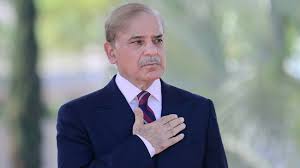
PM Thanks Nation for Patience Through Crisis; Clai...
Prime Minister Shehbaz Sharif has hailed the FY 2026–27 federal budget as a turning poin...
-
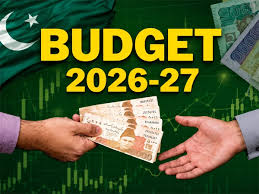
Rs17 Trillion Federal Budget to Be Presented Today...
The federal government will present its Rs17 trillion budget for FY 2026–27 in the Natio...
-
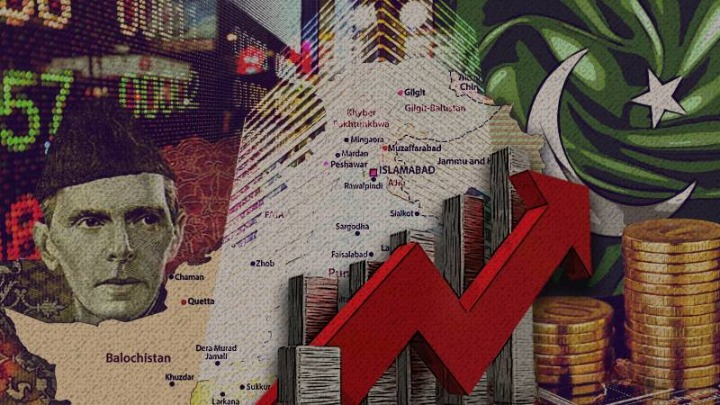
Economic Survey: Pakistan’s External Public Debt...
Pakistan's external public debt reached $92.2 billion by the end of March 2026, according ...
-
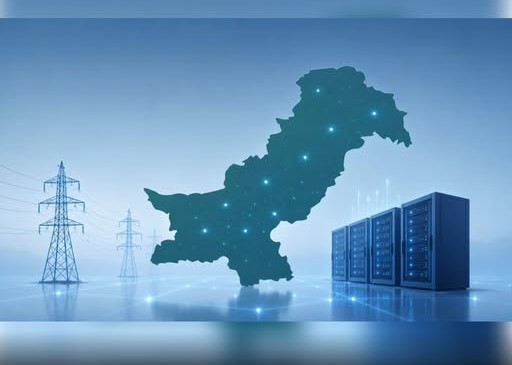
Data-Driven Energy: Pakistan Establishes Historic ...
The Ministry of Energy has officially launched the Power Sector Data Governance Council (P...
-
PM Shehbaz Sharif Weighs Inflation-Linked Pay Incr...
The federal government has proposed a 10% to 15% salary and pension increase for governmen...