WORLD NEWS
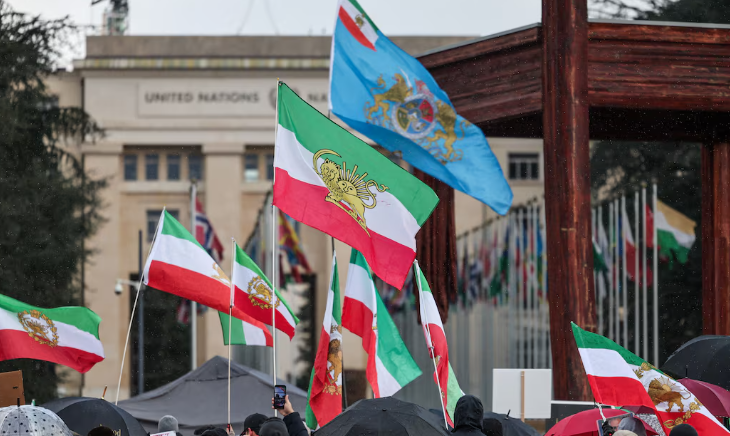
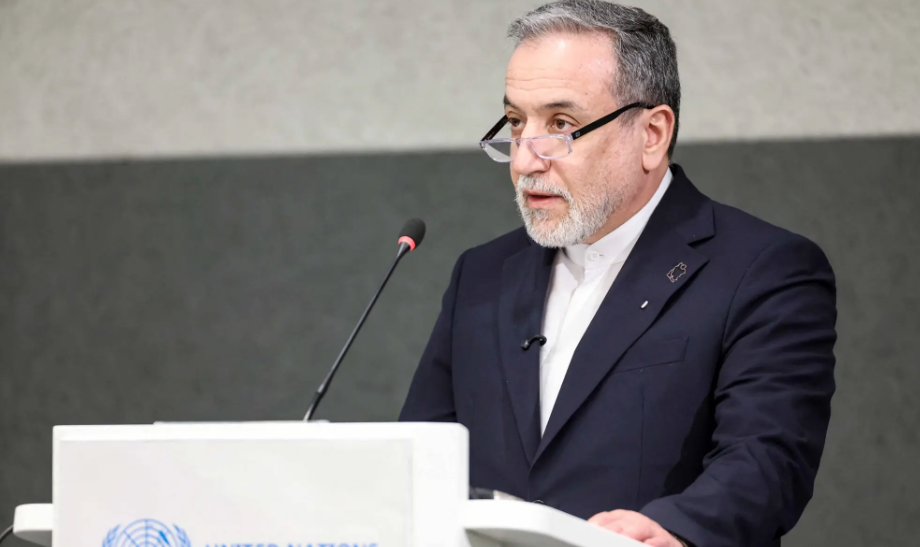
Iran and the United States have reportedly reached an understanding on the main “guiding principles” during a second round of nuclear talks in Geneva on Tuesday, according to Iranian Foreign Minister Abbas Araqchi.
Speaking to Iranian media after the conclusion of the talks, Araqchi emphasized that while progress has been made, it does not imply that a full agreement will be reached soon. “The path has started, but work still needs to be done,” he said.
Strait of Hormuz Drill
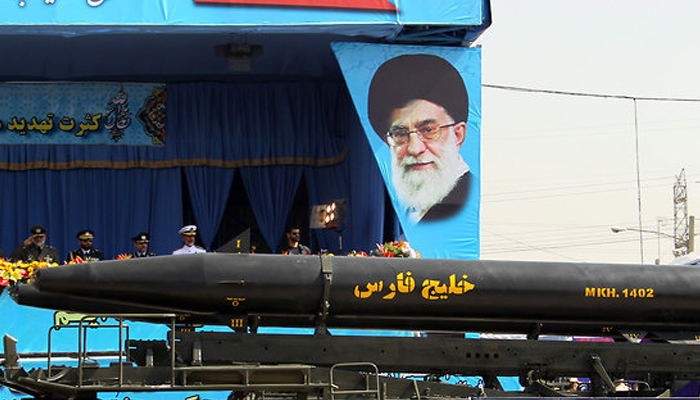
Amid the negotiations, Iranian state media reported that parts of the strategic Strait of Hormuz were temporarily closed for a few hours as a precaution while Iran’s elite Revolutionary Guards conducted military drills. The strait is a critical global oil supply route, responsible for roughly a fifth of worldwide crude flows. Tehran has previously threatened to close the waterway in the event of an attack, a move that could significantly raise oil prices.
US-Iran Tensions
U.S. President Donald Trump has stated that “regime change” in Tehran may be the best outcome for the region, while Iran’s Supreme Leader Ali Khamenei reiterated on Tuesday that any attempts to overthrow his government would fail.
The Geneva talks included U.S. envoys Steve Witkoff and Jared Kushner, with mediation provided by Oman.
Outlook
Although the discussions mark a step forward, significant hurdles remain. Both sides have yet to finalize key elements of a potential nuclear agreement, and regional tensions persist with Iran’s military demonstrations and the strategic importance of the Strait of Hormuz. Analysts say the negotiations may continue to be fragile, with progress dependent on balancing security concerns and political pressures on both sides.
The recent talks signal that diplomacy is ongoing, but the combination of military posturing and high-stakes negotiations underscores the complexity of U.S.-Iran relations and the potential economic implications for global energy markets.
-
Iran Warns US, Shows Military Strength in Strait o...
Iran’s Supreme Leader Ayatollah Ali Khamenei warns US against attacking; Revolutionary G...
-
Iran, US Agree on “Guiding Principles” in Nucl...
Iran’s FM Abbas Araghchi says latest US talks yielded “guiding principles” for a nuc...
-
Spain Launches Probe into AI-Generated Child Abuse...
Spain orders prosecutors to investigate X, Meta, and TikTok over AI-generated child sexual...

-
Hamas Rejects Israeli Ultimatum to Disarm in 60 Da...
Hamas dismisses Israeli threats to disarm within 60 days, calling them baseless. Senior of...
-
Israeli Settlers Force Palestinian Families to Lea...
At least 15 Palestinian families were forced to dismantle their homes in the northern Jord...