POLITICS & POLICY MAKING
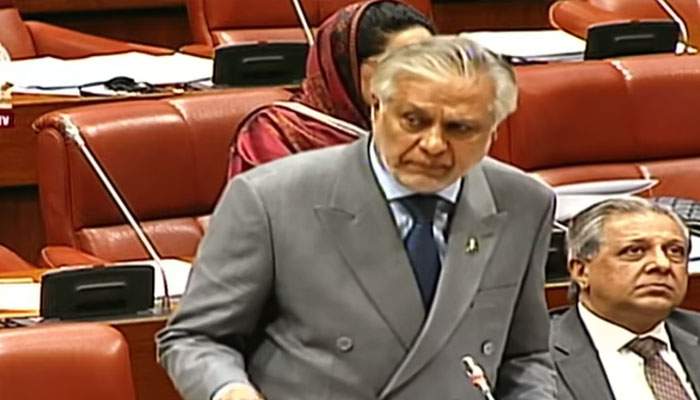
Deputy Prime Minister and Foreign Minister Ishaq Dar has said that Iran had agreed not to build nuclear weapons and that Pakistan openly condemned the attacks carried out by the United States and Israel despite positive progress in nuclear negotiations.
Delivering a detailed policy statement in the Senate, Dar addressed the situation that emerged following US and Israeli strikes on Iran and Tehran’s retaliatory actions targeting various countries in the region.
He said Pakistan had consistently supported Iran’s right to the peaceful use of nuclear energy while opposing nuclear weaponisation. According to Dar, negotiations between the US and Iran were progressing positively, with Oman playing a mediating role, and there were strong hopes for a diplomatic breakthrough before Iran was attacked.
Dar revealed that he had also met with US Secretary of State Marco Rubio during diplomatic engagements. He stated that while the US sought the complete dismantling of Iran’s nuclear programme, Pakistan had encouraged Tehran to continue pursuing its peaceful nuclear activities within international frameworks.
The foreign minister stressed that Pakistan had assured Iran that Saudi Arabia’s territory would not be used for attacks against it. He added that it was inappropriate to misrepresent Pakistan’s diplomatic efforts domestically, noting that the Iranian leadership was fully aware of Islamabad’s role.
Pakistan’s Diplomatic Role at the UN
Dar highlighted Pakistan’s active engagement at the United Nations Security Council, saying Islamabad clearly condemned the attack on Iran and called for resolving the crisis through diplomacy.
He noted that Pakistan had held multiple discussions on US-Iran tensions while serving on the Security Council and had even offered to mediate talks between Washington and Tehran in Islamabad.
“Only Pakistan openly condemned the attack on Iran,” Dar said, adding that Pakistan’s stance drew expressions of gratitude in the Iranian parliament.
He further stated that Pakistan supported a resolution at the Security Council calling for lifting sanctions on Iran and pressed for restraint from all sides amid escalating hostilities.
Regional Escalation and Call for Restraint
The foreign minister said Iran carried out retaliatory attacks on Gulf countries following the strikes by the US and Israel, targeting what Tehran described as US bases and airports. He reiterated that Pakistan does not want to be drawn into the conflict.
“If these countries had not been attacked, we would have raised our voice with the US and Israel,” he said, adding that Pakistan condemned retaliatory strikes within minutes and consistently advocated de-escalation.
Dar also revealed that he remains in direct contact with Iranian Foreign Minister Abbas Araqchi, underscoring ongoing diplomatic coordination.
He pointed out that after 12 years, a resolution was passed unanimously in the UN Security Council, describing it as a diplomatic achievement. Pakistan also convened an emergency Security Council meeting on February 28 to address the crisis.
“International peace and order are weakening,” Dar warned. “What happened in two or three days should not have happened.”
The statement underscores Islamabad’s attempt to balance regional diplomacy, maintain strategic relationships with Gulf states, and advocate for a negotiated solution to the escalating US-Iran crisis.
-
Jailed PTI Leaders Urge National Reconciliation Am...
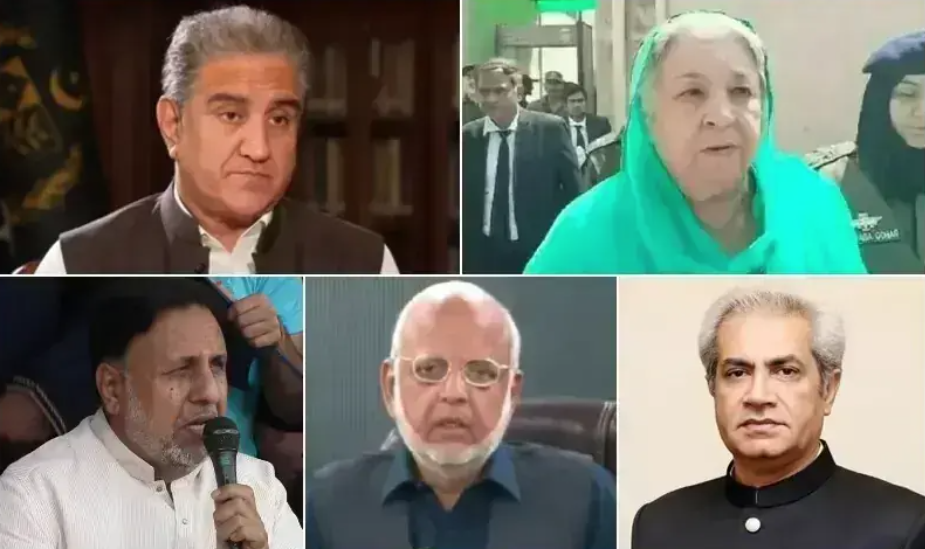
Five PTI leaders call on the government to revisit its strategy, citing terrorism, Middle ...
-
Salman Akram Raja Calls for Regional Dialogue Amid...
PTI Secretary General Salman Akram Raja urges a grand regional dialogue including national...
-
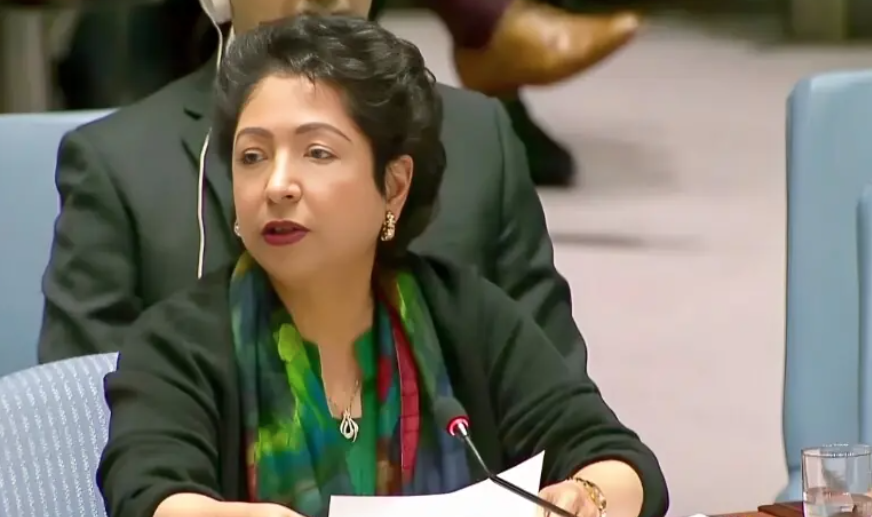
Maleeha Lodhi Urges Pakistan to Withdraw from Trum...
Former ambassador Maleeha Lodhi says Pakistan should exit the Board of Peace, calling its ...
-
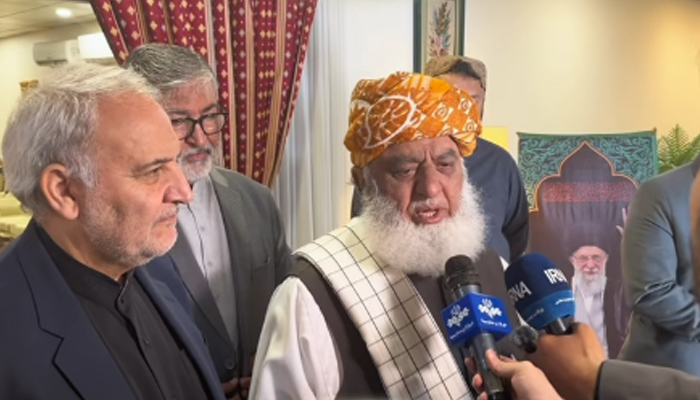
Maulana Fazlur Rehman Condemns Aggression Against ...
JUI-F chief Maulana Fazlur Rehman met Iranian Ambassador Reza Amiri Moqadam in Islamabad, ...
-
Khawaja Muhammad Asif Calls Zionism ‘Threat to H...
Defence Minister Khawaja Muhammad Asif says Zionism is a threat to humanity and claims war...