HEALTH
Karachi Airport Launches Strict Ebola Screening Ahead of Hajj Pilgrim Return After WHO Global Emergency
.jpg)
Detailed Report
-
Enhanced Border Surveillance Activated: Border health officials have initiated rigorous screening and diagnostic monitoring protocols for international arrivals at Karachi's Jinnah International Airport. Driven by the World Health Organization’s recent international declaration labeling the Central African Bundibugyo Ebola wave a Public Health Emergency of International Concern (PHEIC), the Sindh Health Department has mobilized specialized medical units. Dedicated health teams have been deployed to key terminal arrival checkpoints, utilizing specialized thermal scanners and handheld infrared temperature guns to intercept high-risk infectious profiles before they clear customs.
- Bracing for the Return of Hajj Pilgrims: The emergency health deployment comes at a critical logistical junction, directly preceding the massive repatriation wave of Hajj pilgrims returning from Saudi Arabia. Enhanced health screening will officially pivot to prioritize flights arriving from Jeddah starting on the third day of Eidul Azha. Given that nearly two million global worshippers—including high-risk cohorts originating from affected regions—are concurrently interacting in dense environments across Mina and Mecca, local officials are taking zero chances regarding secondary importation vectors
-
The Quarantine and Referral Protocol: Under the newly finalized emergency framework outlined by airport focal person Dr. Syed Zafar Mehdi, any inbound traveler presenting with an acute high fever or visible hemorrhagic skin symptoms—such as macro-vascular red spots—will be immediately isolated. The airport has stationed specialized emergency ambulances to handle the direct transit of suspected cases to the dedicated isolation wings at the Sindh Government Infectious Diseases Hospital near NIPA, where they will remain under strict medical quarantine pending laboratory confirmation.
-
The Accelerating Global Trajectory: The domestic defensive measures align with a stark warning issued from Geneva by World Health Organization Director-General Tedros Adhanom Ghebreyesus, who confirmed that the escalating epidemic has already claimed at least 220 suspected lives. Expressing concern over significant gaps in initial contact tracing and localized clinical detection delays across Central Africa, Tedros warned that the current pace of the epidemic is actively outpacing international humanitarian responder operations. Despite the heightened surveillance at domestic points of entry, the Ministry of National Health Services has clarified that no active cases have been reported in Pakistan or neighboring states
-
-
Congo Virus Alert: Health Authorities Issue Nation...
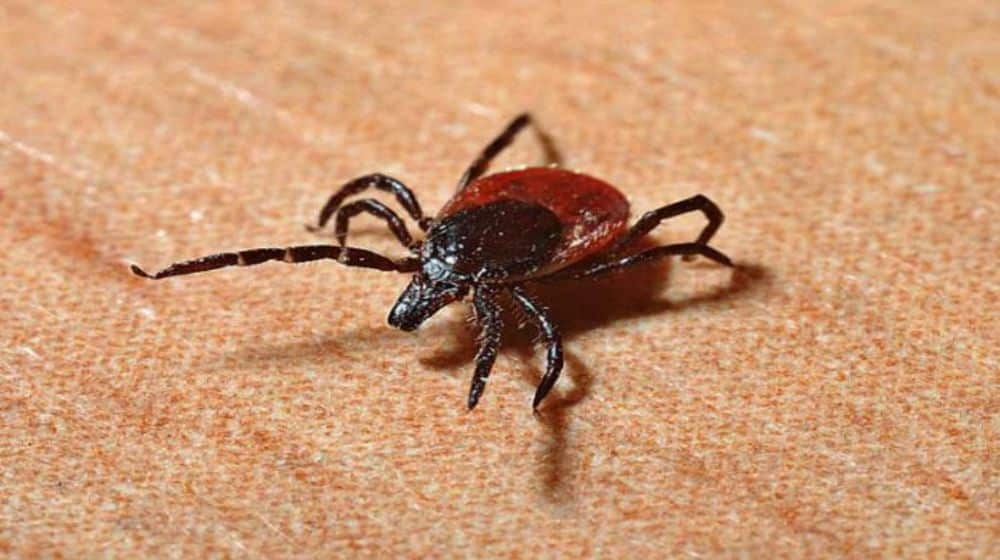
Performing Qurbani this year? Don't forget your safety! 🐄🛡️ Health authorities hav...
-
Seven Workers Killed in Marble Mine Landslide in M...
Tragedy in Mardan: Seven workers dead and three critically injured after a landslide at a ...

-
Gwadar’s Pak-China Friendship Hospital Treats Ov...
Gwadar’s Pak-China Friendship Hospital treats over 48,000 patients in just 2 months, boo...

-
Imran Khan Undergoes Third Eye Procedure at PIMS A...
Imran Khan undergoes third eye injection at PIMS for vision condition, remains stable as t...

-
Karachi Builder Arrested After Gas Explosion Kills...
Police arrest building owner Mohammed Irshad after gas explosion in Soldier Bazaar, Karach...