POLITICS & POLICY MAKING
Detailed Report
-
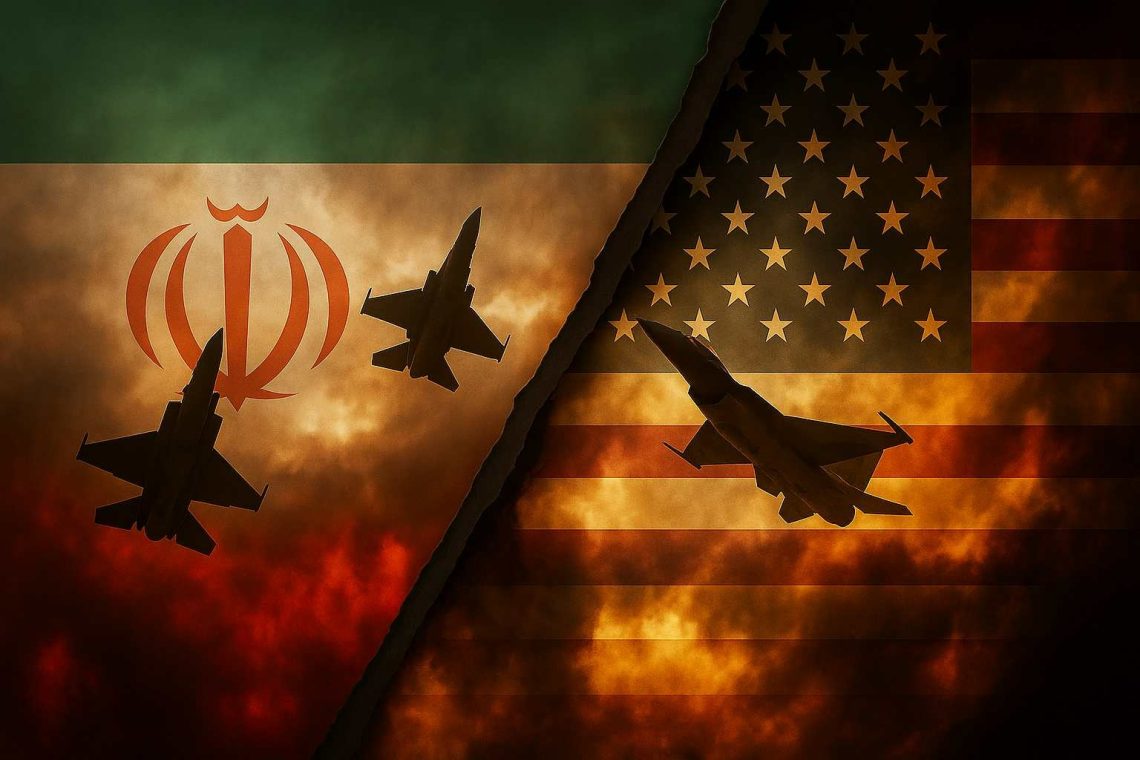
The Truce Collapses: The fragile ceasefire brokered in April has completely buckled as the United States and Iran traded intensive air and missile strikes for a second consecutive day. The dangerous escalation, which erupted following Monday's downing of a U.S. Apache helicopter near the Strait of Hormuz, has pushed the four-month-old war into its most volatile phase since joint U.S.-Israeli air campaigns commenced in late February 2026.
-
The US Bombardment Matrix: Operating under zero-dark-hours protocols in Tehran, U.S. Central Command (CENTCOM) executed sweeping strikes utilizing Tomahawk cruise missiles launched from naval assets, including the USS Michael Murphy. Defense Secretary Pete Hegseth explicitly framed the kinetic pressure as a diplomatic leverage tool, stating, "If we need to negotiate with bombs, we'll negotiate with bombs." The Pentagon confirmed the raids targeted radar installations, military surveillance hubs, communication nodes, and air defense networks across several Iranian cities, including Sirik, Kargan, Bandar Abbas, Minab, Karaj, and Varamin.
-
The Strait of Hormuz Disruption: Contradicting narratives have emerged regarding the vital maritime energy corridor. The Iranian top joint military command declared the Strait of Hormuz "fully closed" to international transit, threatening to sink any vessel defying the blockade, and claimed to have fired upon two U.S. warships. CENTCOM directly denied these assertions, maintaining that the strait remains open and that commercial shipping lines continue to navigate the lane under heavy escort. Simultaneously, the U.S. enforced its own naval blockade, firing on an embargo-violating tanker in the Gulf of Oman; Indian officials confirmed three crew members died in the engagement.
-
Domestic Pressures and War Crimes Allegations: The expanding conflict is generating severe fallout on multiple fronts. Iranian Foreign Ministry Spokesperson Esmaeil Baghei accused the Pentagon of committing "calculated war crimes" after U.S. ordnance allegedly destroyed water reservoirs supplying 10 sovereign villages. Meanwhile, in Washington, the conflict has become a massive political liability for President Donald Trump. Sinking approval ratings fueled by a $3 spike in crude oil prices and soaring domestic gasoline costs have left congressional Republicans openly panicked over losing control of both chambers in the upcoming November 2026 midterm elections.
US-Iran War Operational & Maritime Log (June 11, 2026)
| Theater & Vector | Verified Field Actions | Geopolitical & Strategic Impact |
| Iranian Mainland Targets | Strikes on Sirik, Bandar Abbas, Karaj, and Varamin. | Disrupted surveillance and air defense grids near Tehran and the Caspian Sea. |
| US Base Attrition | Drone/missile salvos in Jordan, Kuwait, and Bahrain. | Airspace closures in Kuwait; falling debris injuries in Manama. |
| Strait of Hormuz Status | Iran claims 100% closure; US CENTCOM denies blockade. | Disrupts 20% of global crude and LNG supply; oil prices surged $3. |
| Parallel Lebanon Front | Israeli strikes kill 13; Hezbollah launches cross-border rockets. | Deepens regional entanglement; Tehran links Lebanon truce to any US deal. |
| Political Factor | Falling Trump approval ratings over high gas prices. | Directly threatens Republican control ahead of November midterms. |
-
Pakistan, Turkiye Demand Immediate Regional Restra...
Deputy PM and Foreign Minister Ishaq Dar held an emergency phone call with Turkish Foreign...
-
We Will Decide Whether to Stay in Parliament': PTI...
PTI lawmakers staged a walkout from the National Assembly today, with Chairman Barrister G...
.jpg)
-
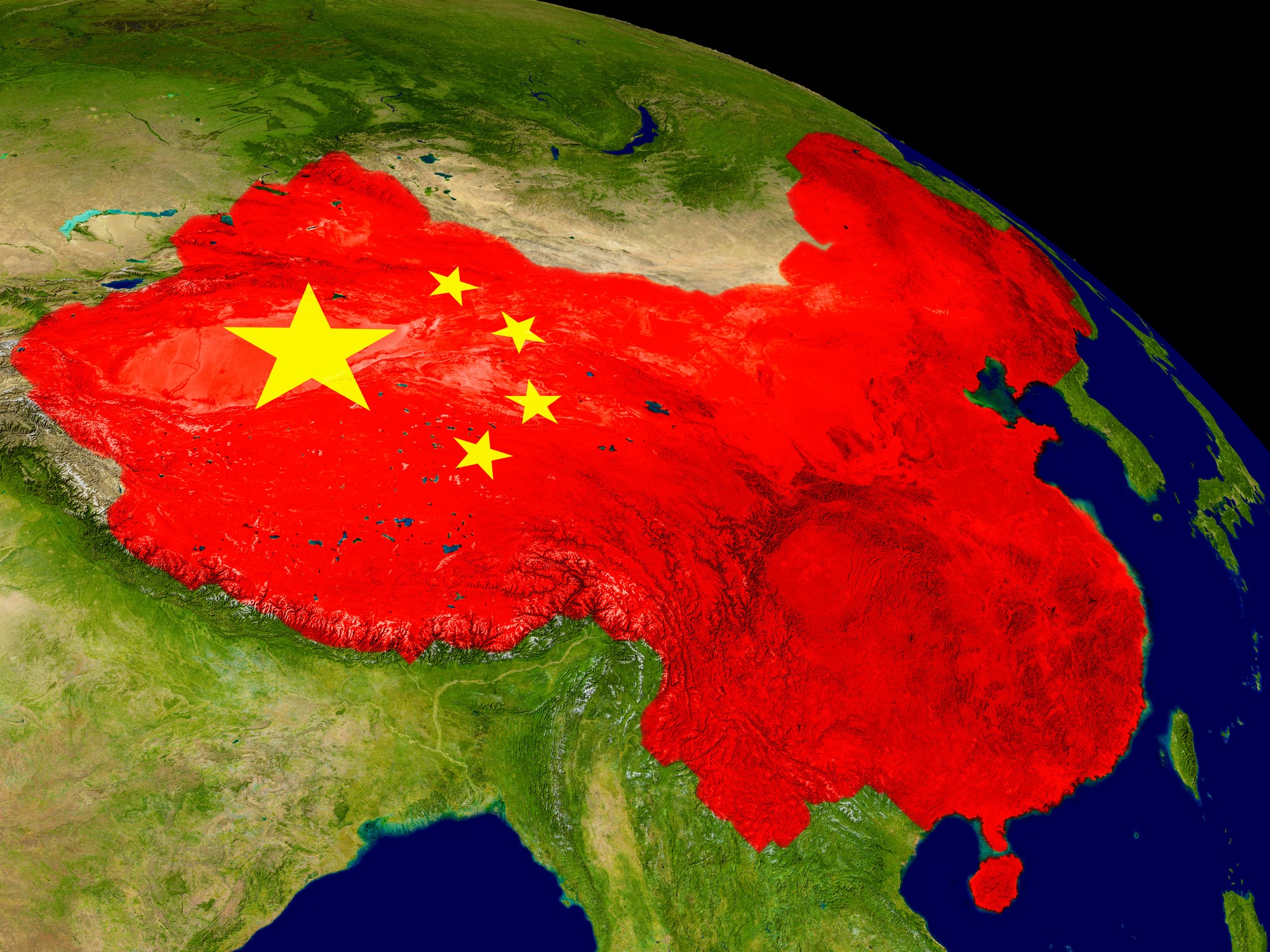
Beijing Urges Sovereignty Respect, Revealing Conti...
China’s Foreign Ministry has issued an urgent, renewed appeal for the US and Iran to imm...
-
Oil Spikes Past $94 as Traders Panic Over Iran's F...
Global oil prices spiked on Thursday, with Brent crude climbing past $94 a barrel after Te...
-
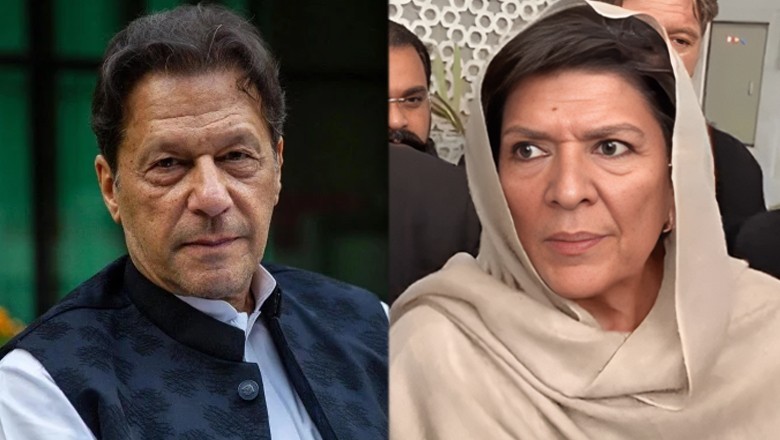
Aleema Khan raises concerns over Imran's safety, f...
Speaking outside the Lahore ATC, Aleema Khan expressed severe fears that her brother, PTI ...