POLITICS & POLICY MAKING
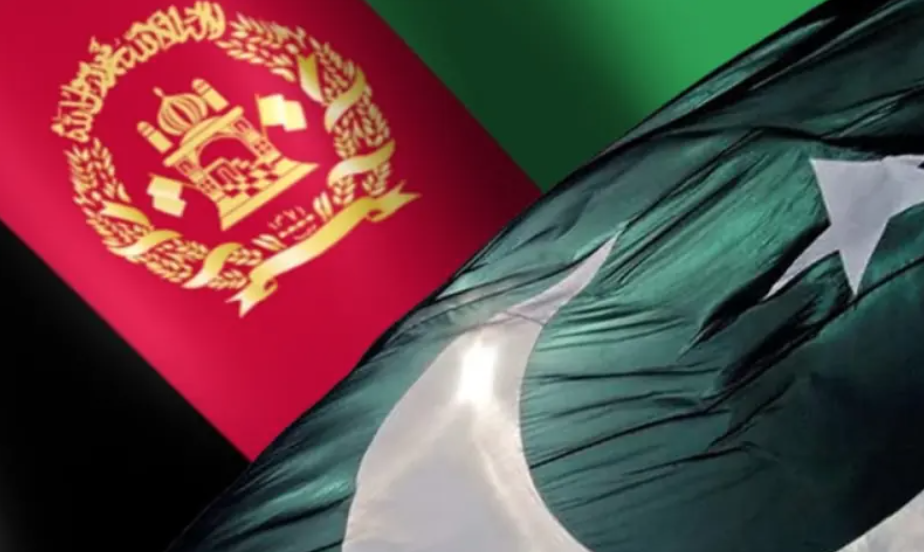
Officials from Pakistan, Afghanistan, and China convened in the Chinese city of Urumqi on Wednesday under a trilateral diplomatic mechanism, aiming to address rising tensions and explore avenues for cooperation.
The meeting marked a significant development, as diplomatic engagement between Pakistan and Afghanistan had largely stalled following the launch of Operation Ghazab lil-Haq on February 26. The operation targeted alleged militant hideouts inside Afghan territory, escalating already strained relations between the two neighboring countries.
According to Pakistani officials who spoke on condition of anonymity, the talks did not yield any major breakthrough. However, China reaffirmed its commitment to maintaining engagement with both Islamabad and Kabul.
Sources within the Ministry of Foreign Affairs clarified that the meeting was not intended as a formal mediation effort. Instead, it focused on exchanging perspectives on the evolving regional situation, with particular emphasis on balancing security concerns and economic priorities.
Diplomatic discussions highlighted Pakistan’s continued concerns over the presence of Tehreek-i-Taliban Pakistan (TTP) sanctuaries within Afghan territory. Afghan Taliban representatives, while expressing willingness to address these concerns, maintained that TTP activities inside Pakistan were beyond their direct control.
Despite persistent disagreements, the talks also explored confidence-building measures aimed at reducing tensions. These included proposals to reopen trade routes and enhance economic cooperation between Pakistan and Afghanistan. Officials indicated that Islamabad showed cautious openness to such initiatives.
China’s involvement in facilitating the dialogue was also driven by its own security concerns, particularly regarding the East Turkestan Islamic Movement (ETIM), which Beijing believes operates from Afghan soil.
According to another Pakistani official, Beijing encouraged Islamabad’s participation after Kabul sought China’s assistance in bringing Pakistan back to the negotiating table. The discussions were described as “exploratory,” aimed at assessing the Afghan side’s willingness to act on key demands, including establishing verifiable mechanisms to address militant threats.
The Pakistani delegation included officials from the foreign office, as well as military and intelligence representatives. Meanwhile, the Afghan delegation comprised members from its interior and foreign ministries, along with intelligence officials.
Background: Rising Tensions
Relations between Pakistan and Afghanistan have deteriorated since the Afghan Taliban returned to power in Kabul in 2021. Islamabad has repeatedly urged Afghan authorities to dismantle militant safe havens, particularly those linked to the TTP, but claims its concerns have not been adequately addressed.
The situation escalated further after cross-border incidents, prompting Pakistan to initiate military action. Although a temporary pause in operations was observed during Eidul Fitr from March 18 to 23, officials have stated that operations would continue until strategic objectives are achieved.
International actors, including Saudi Arabia, Qatar, and Turkiye, have also called for de-escalation, contributing to temporary pauses in hostilities.
Pakistan’s military leadership, including Asim Munir, has emphasized that lasting peace depends on Afghanistan’s commitment to ending support for militant groups.
Outlook
While no immediate resolution emerged from the Urumqi talks, the trilateral engagement reflects a continued effort to manage tensions through dialogue. With security concerns still unresolved, future progress will likely depend on concrete actions and sustained diplomatic engagement between the involved parties.
-
By-Election Schedule Issued for 45 Vacant Seats Ac...
By-elections for 45 vacant seats across Sindh to be held on May 17, says Election Commissi...
-
PTI Chairman Gohar Reaffirms ‘Pakistan First’ ...
PTI Chairman Barrister Gohar says Pakistan comes first, defends founder’s children, and ...
-
Punjab Assembly Receives Bill to Criminalize Force...
Punjab assembly introduces bill to protect minority rights, proposing 5-year jail and fine...
-
Torkham Border Reopens for Repatriation of Undocum...
Torkham border in Khyber reopens today for repatriation of undocumented Afghans; first bat...
-
Islamabad Police Arrest All Suspects in Businessma...
State Minister Tallal Chaudhry confirms all suspects in Islamabad businessman Amir Awan’...