POLITICS & POLICY MAKING
.jpg)
Detailed Report
-
A Vision for Strategic Partnership: In a high-level summit in Bishkek on Tuesday, July 7, 2026, Pakistani President Asif Ali Zardari and Kyrgyz President Sadyr Zhaparov officially reaffirmed their commitment to elevating bilateral ties into a comprehensive "strategic partnership." The meeting, which took place during President Zardari’s four-day official visit to Kyrgyzstan (July 6–9), culminated in a expansive joint statement outlining deepened cooperation across trade, investments, transport connectivity, and regional security frameworks.
-
The CASA-1000 and Infrastructure Push: A major focal point of the bilateral dialogue was the critical need to improve transport and energy corridors connecting Central Asia with South Asia. The two heads of state emphasized the significant potential of the ongoing CASA-1000 Project, hailing it as a vital energy link between the two regions. Furthermore, the leaders pledged to practically implement existing transit and logistics agreements, with Kyrgyzstan expressing strong readiness to utilize Pakistan’s deep-sea ports (Gwadar and Karachi) to gain maritime access, while Pakistan aims to leverage Kyrgyz trade routes to tap into the wider Eurasian Economic Union (EAEU).
A Historic Subcontinental Nod & Trade Incentives: Addressing delegation-level talks, President Zardari recalled his first visit to the country alongside his late wife, former Prime Minister Benazir Bhutto, noting that the two nations are "religiously bound to each other." Lamenting that the ancient Silk Route historically connected the subcontinent more closely than modern pathways, Zardari proposed an innovative trade concept: exporting key Pakistani commodities directly to Kyrgyzstan at special, lower-than-market neighborly rates to jumpstart economic integration.
-
Diplomatic Recognition and Regional Peace: President Zhaparov formally thanked Pakistan for backing Kyrgyzstan’s successful bid for a non-permanent seat on the United Nations Security Council (UNSC) for the 2027–2028 term. In return, the Kyrgyz side lauded Pakistan’s active contributions to international peace during its own current UNSC term (2025–2026), specifically praising Islamabad’s successful mediation in the Middle East conflict that led to the landmark signing of the historic US-Iran Memorandum of Understanding (MoU) in Islamabad.
-
Broad Sectoral Collaboration: Beyond hardware and trade corridors, the joint framework directs respective ministries to fast-track joint ventures in pharmaceutical production, regulatory alignment for medical education, tourism, and the digital economy. The leaders also pledged synchronized strategies to combat transnational threats, including terrorism, drug trafficking, and cybercrime, while confirming close mutual support during their alternating chairmanships of the Shanghai Cooperation Organisation (SCO) and the Economic Cooperation Organisation (ECO).
-
Karachi Customs Seizes Rs366m Worth of Smuggled Ma...
Pakistan Customs officials at Karachi’s International Mail Office seized 12kg of smuggle...

-
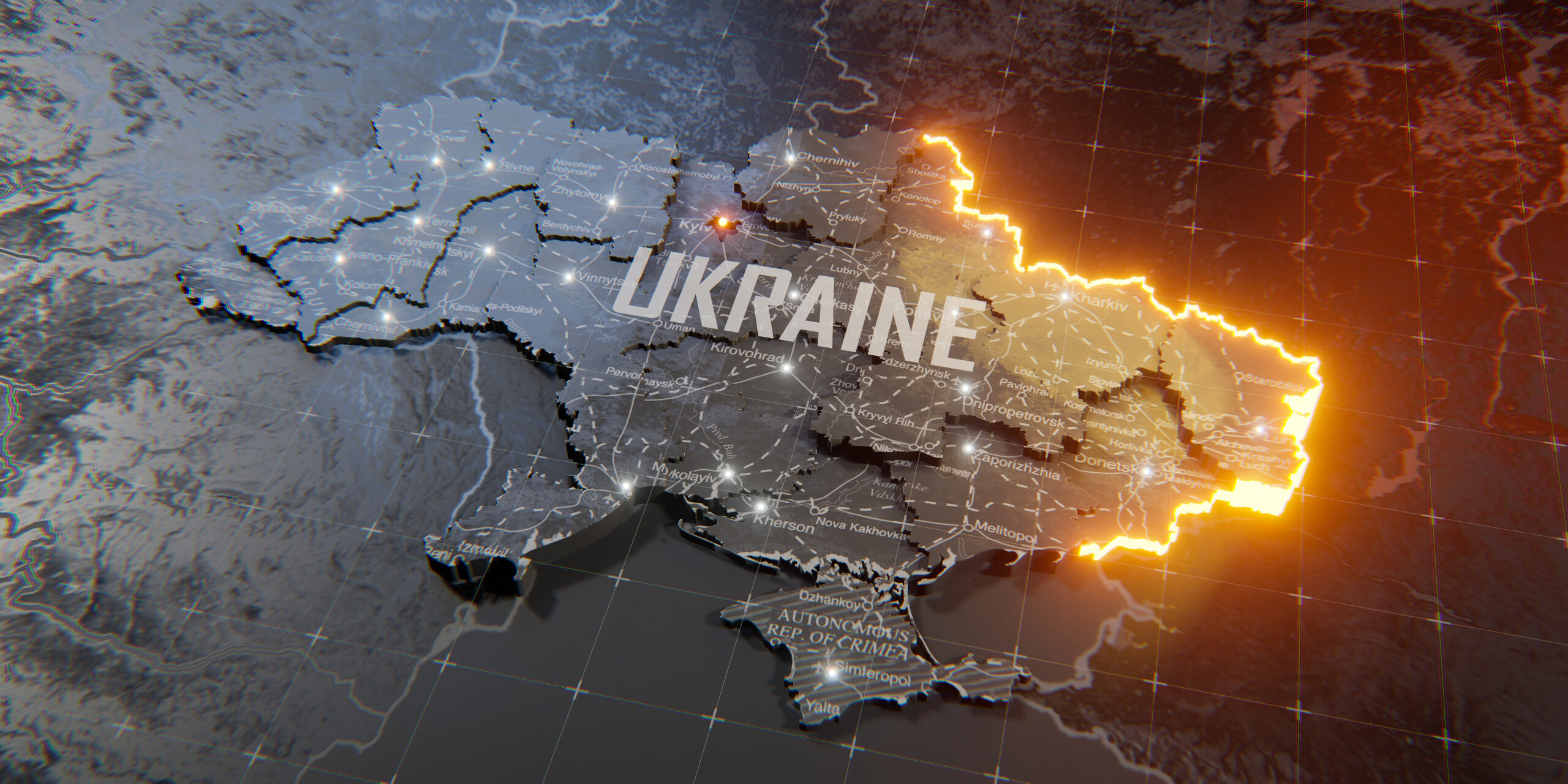
28 Dead in Kyiv Area Bombardment as Russia Exploit...
A massive Russian missile and drone strike killed 28 people in the Kyiv area on Monday, le...
-
No More Delays: IHC Issues Final Adjournment to Im...
The Islamabad High Court has granted a final adjournment to former PM Imran Khan’s legal...
.jpg)
-
PTI Submits Six-Member Lawyers' List to Adiala Jai...
The PTI has submitted a list of six prominent lawyers, including Barrister Gohar Ali Khan ...
-
India Secures Massive $630 Million BrahMos Missile...
India has finalized a landmark $630 million defense agreement to supply Indonesia with sup...
.jpg)