TRADE & ECONOMY

Pakistan is “adequately positioned” in terms of fuel availability, with March requirements fully secured and coverage expected through mid-April, the government said on Monday, amid rising fuel prices caused by the ongoing Middle East conflict.
A ministerial committee, chaired by Finance Minister Muhammad Aurangzeb, reviewed the national inventory of crude oil and refined petroleum products, import arrangements, and supply chain logistics. Officials assured that procurement and maritime logistics are being closely monitored and emphasized diversifying sources of supply to strengthen the country’s energy security.
The committee highlighted that any attempts at hoarding or artificial shortages would be strictly dealt with under the law, urging the public not to panic buy.
Fuel Stock and Reserves
Earlier, Petroleum Secretary Hamed Yaqoob Sheikh informed the Senate Standing Committee on Petroleum that Pakistan currently has:
- Petrol reserves for 27 days
- Diesel reserves for 21 days
- Jet fuel (JP1) for 14 days
- Crude oil for 11 days
- LNG for 9 days
He noted that 70% of Pakistan’s petrol is imported from the Middle East, and supply disruptions have pushed prices higher, with diesel rising from $88 to $187 and petrol from $74 to $130 per barrel.
The government has also allowed imports of lower-quality Euro 5 oil to mitigate shortages and is working on relief packages for motorcycles and rickshaws. Meanwhile, LNG imports from Qatar have been partially suspended, and some domestic power and fertiliser plant supplies have been reduced to manage limited gas availability.
Prime Minister’s Assurance
Prime Minister Shehbaz Sharif said that economic stability and public relief remain the government’s top priority. He stressed that the government is fully prepared to handle the ongoing situation and has instructed fuel distribution companies to sell petroleum at mandated rates.
Additionally, a PAK App feature allows consumers to report fuel unavailability or overpricing, ensuring real-time monitoring and consumer protection.
With current measures, the government expects continued stable availability of petroleum products through April, preventing disruptions despite the global energy crisis triggered by tensions in the Strait of Hormuz.
-
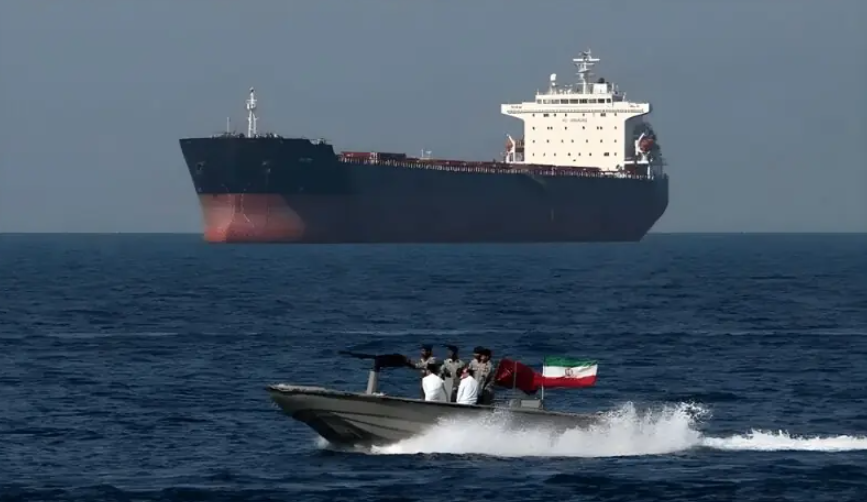
Pakistani Oil Tanker ‘Karachi’ Crosses Strait ...
The PNSC tanker ‘Karachi’ safely crosses the Strait of Hormuz toward Pakistan despite ...
-
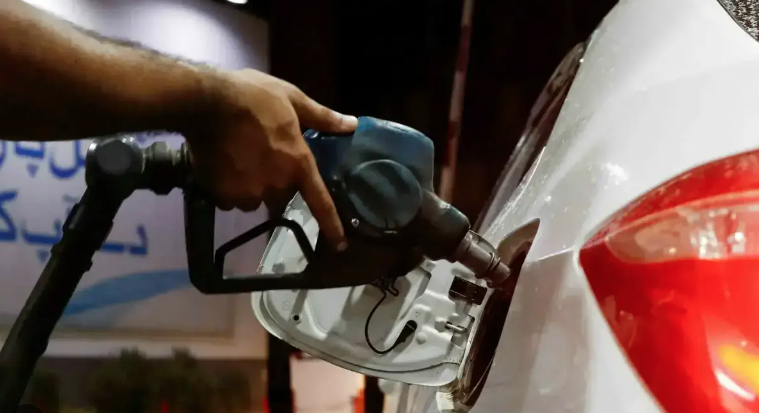
Pakistan Has Petrol for 27 Days, Diesel for 21 Day...
Pakistan has petrol reserves for 27 days and diesel for 21 days, Petroleum Secretary Hamed...
-
KSE-100 Index Plunges 4,687 Points Amid Oil Price ...
Pakistan’s KSE-100 index tumbled 4,687 points (-3.05%) on Monday, extending its losing s...

-
Pakistan Bans Petroleum Exports, Holds Prices Desp...
Govt bans petroleum exports and aims to shield citizens from further price hikes, using em...

-
Pakistani Airlines Raise Fuel Surcharges Amid Gulf...
Fuel costs surge 34% after the Gulf war disrupts regional air routes, prompting Pakistan I...