TRADE & ECONOMY
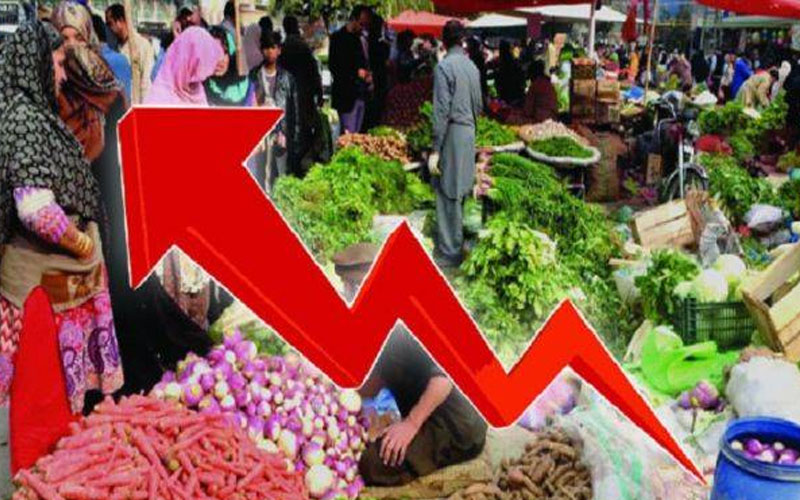
Inflation in Pakistan rose in February 2026 after 15 months of relatively lower increases, according to the Pakistan Bureau of Statistics (PBS). The monthly report, based on estimates from the Ministry of Finance, recorded an overall inflation rate of 7%, up from 5.8% in January 2026 and 1.5% in February 2025.
The report highlighted a 0.3% increase in inflation compared to the previous month. Urban areas recorded an inflation rate of 6.8%, while rural areas faced slightly higher inflation at 7.3%, reflecting uneven price pressures across the country.
Price Movements
Several essential commodities saw significant price hikes in February:
- Tomatoes: +23%
- Fresh fruits: +11.5%
- Dal mash: +8%
- Beverages, meat, lentils, moong, mustard oil: also became more expensive
Conversely, some items became cheaper:
- Eggs: -22.4%
- Chicken: -20%
- Potatoes: -15.9%
- Lentils, onions, fresh vegetables, gram flour: also recorded price decreases
The mixed trends indicate volatility in food prices, with certain staples rising sharply while others saw declines, easing some burden on households. Analysts say seasonal factors, supply disruptions, and global commodity price fluctuations contributed to these variations.
The rise in inflation comes amid ongoing economic challenges for Pakistan, including pressure on household budgets and policy measures to stabilize prices.
-
Pakistan Begins Key IMF Talks on $7bn Review...
Pakistan has begun crucial talks with the International Monetary Fund as Finance Minister ...
-
Petroleum Prices Likely to Rise Sharply From March...
OGRA recommends a petrol hike of Rs 4.58/litre, diesel up Rs 4.73, kerosene Rs 6.88, and l...
-
Power Sector Losses Hit Rs 472 Billion in FY 2024-...
Electricity distribution companies caused Rs 472B loss in FY 2024-25 due to transmission, ...
-
IMF Delegation Arrives in Pakistan for Fourth Tran...
An IMF delegation has arrived in Karachi to review Pakistan’s economic performance under...
-
Pakistan’s Debt Surges by $138 Billion; Interest...
Pakistan’s outstanding debt tops $138B, with interest payments jumping 84% in 3 years. $...