LEGAL
‘Reputation Is Not Negotiable’: SC Restores Removal Penalty for Ill-Reputed Judge, Cites Loss of Public Trust
Detailed Report
-
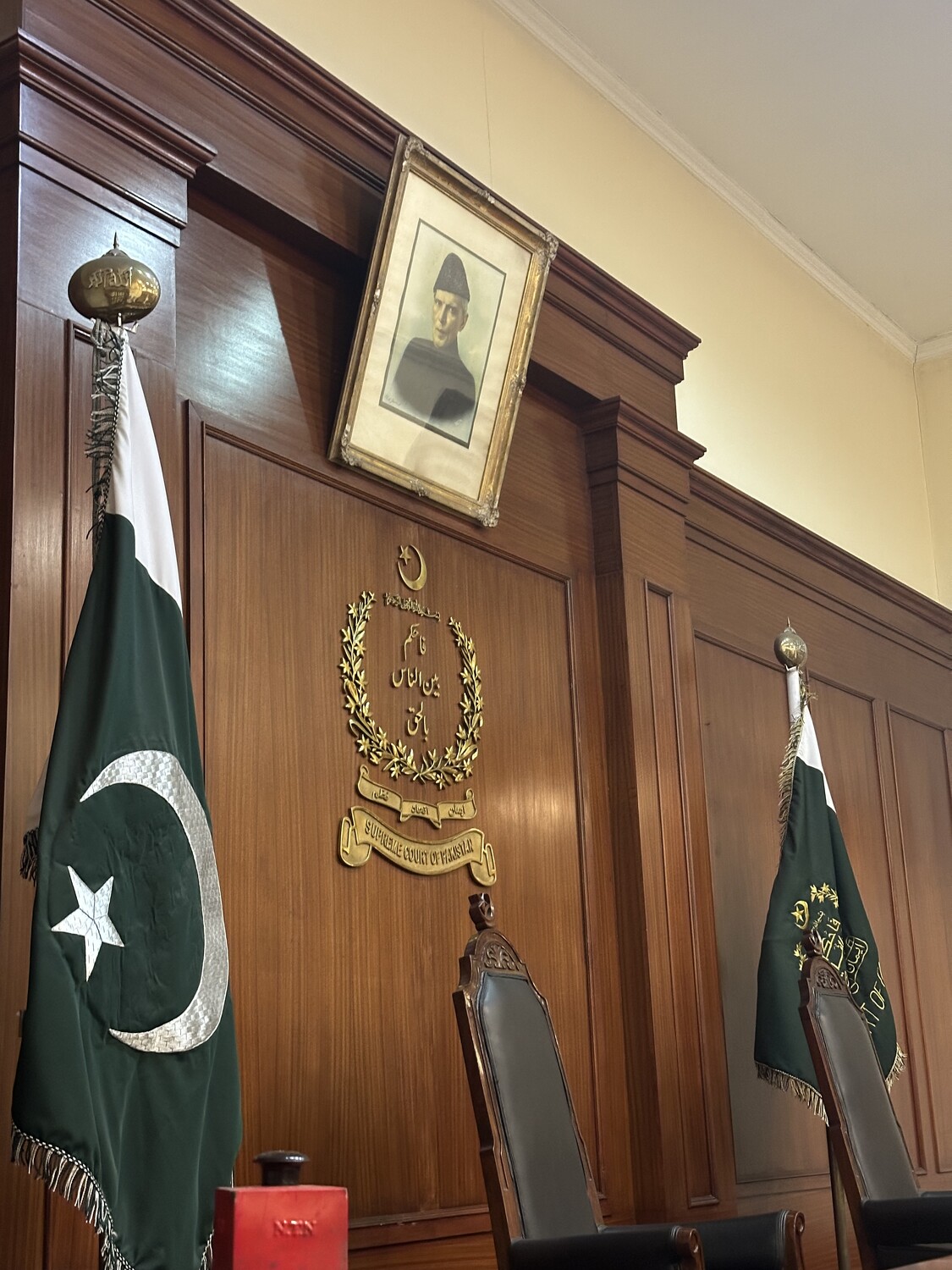
The Supreme Court Mandate: Setting an unyielding ethical standard for the country's lower judiciary, the Supreme Court of Pakistan ruled on Friday, June 19, 2026, that any judicial officer who suffers a sustained loss of public confidence must be completely removed from service rather than allowed a graceful exit via compulsory retirement. The three-judge bench—headed by Justice Shahid Waheed and comprising Justices Naeem Akhtar Afghan and Muhammad Shafi Siddiqui—asserted that judicial integrity cannot be compromised or subjected to institutional leniency.
-
Overturning the Service Tribunal: The apex court’s ruling came during the disposal of cross-appeals filed by the Lahore High Court (LHC) registrar and a former additional district and sessions judge from Mailsi, Vehari. On January 17, 2025, the Punjab Subordinate Judiciary Service Tribunal had modified the judge's original penalty from "removal from service" to "compulsory retirement," arguing that direct evidence of corruption was insufficient despite a thoroughly proven "tarnished reputation." While the officer filed an appeal seeking full reinstatement, the LHC registrar successfully moved the Supreme Court to demand a reinstated, harsher punishment.
-
The Tumor Analogy and Islamic Jurisprudence: The Supreme Court sharply criticized the service tribunal for treating a judicial officer like a standard civil servant. The bench noted that while compulsory retirement exists to weed out administrative "deadwood," applying it to a judge of poor reputation wrongly implies that institutional integrity is negotiable, allowing them to walk away with state-backed retirement benefits. Drawing from classical Islamic legal principles regarding divine trust and public office, the judgment concluded that allowing a corrupt or unfit official to retain their post is a betrayal of authority, noting that when an ill-reputed judge is completely removed, the judicial institution begins to heal because a specific tumor has been excised.
-
Kuwait Warns Expatriates of Deportation in New Hig...
Kuwait has intensified its highway safety crackdown, warning expatriates that serious spee...
.jpg)
-
Norway Proposes Complete Trade and Real Estate Ban...
Norway has unveiled a drafted bill to ban all commercial trade, real estate purchases, and...
.jpg)
-
SIT Probe Ordered into Alleged $20M Embezzlement a...
Uttar Pradesh Chief Minister Yogi Adityanath has ordered a Special Investigation Team (SIT...

-
Karachi ‘Pen Bomb’ Scare Debunked: CTD Probe R...
Karachi’s Counter-Terrorism Department has revealed that the suspected "pen bomb" blast ...
-
Islamabad Deploys ‘Mehfooz Muharram’ App and D...
The federal capital is deploying an advanced digital security apparatus for Muharram, inco...