POLITICS & POLICY MAKING
Shielding Ends: India Hikes Retail Petrol and Diesel Prices as Iran War and Strait Blockade Squeeze Economy
The Breakdown
-
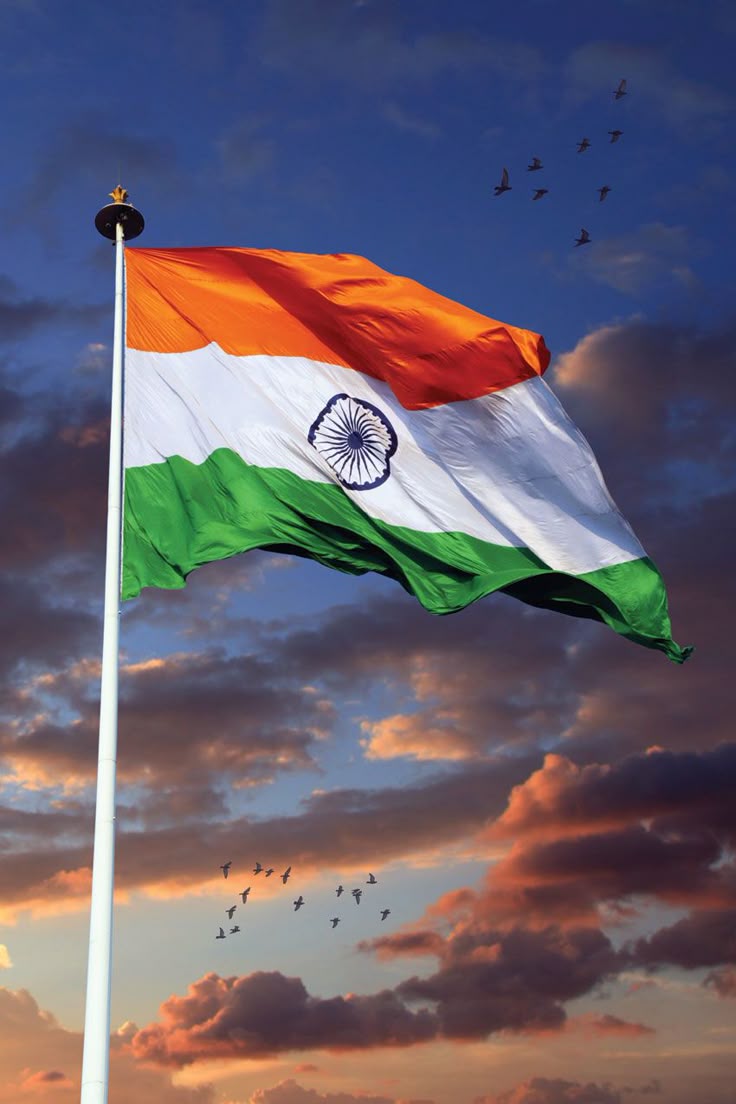
The First Hike in Four Years: India's major state-run oil marketing companies—Indian Oil Corp, BPCL, and HPCL, which collectively command over 90% of the nation's fueling stations—have raised pump prices by ₹3 ($0.03) per litre. In New Delhi, the price of diesel has climbed 3.4% to ₹90.67 per litre, while petrol rose 3.2% to ₹97.77 per litre. This initial adjustment follows a lengthy delay that analysts and opposition figures tie to recently concluded state elections.
-
The Strait of Hormuz Trigger: As the world's third-largest oil importer and consumer, India is among the last major economies to adjust retail rates following severe maritime disruptions in the Strait of Hormuz. The shipping bottleneck, triggered by the outbreak of war, caused global crude oil prices to spike past $120 a barrel before settling between $100 and $105. The mounting financial strain sent energy shares tumbling, with retail oil stocks dropping up to 3.6%.
-
Staggering Deficits and Inflationary Risks: Prior to the hike, the financial gap was immense. Ministry officials noted that domestic retailers were facing under-recoveries of nearly ₹100 per litre on diesel and ₹20 per litre on petrol, prompting private refiners like Nayara Energy to raise their pump prices earlier in the spring. While economists project the direct inflationary impact of this ₹3 increase to be a modest 15 basis points, experts warn this likely marks the beginning of a series of staggered price hikes.
-
National Fuel Austerity Drive: To safeguard foreign exchange reserves and suppress soaring import bills, New Delhi has initiated sweeping, system-wide energy conservation protocols. Prime Minister Narendra Modi has aggressively pushed for national austerity, prompting several states to mandate that government offices operate at 50% capacity with a two-day work-from-home schedule. These strict limits on travel and physical meetings are expected to expand to millions of public sector and state bank employees.
-
Impact on Energy Demand: The combined effect of higher retail costs and forced work-from-home measures is expected to heavily dent domestic fuel consumption. Moody’s Indian arm, ICRA, has already downgraded its annual growth forecast for gasoline consumption down to 3%–4% (from an initial 5%–6%), while projecting diesel growth to remain completely flat.
-
Biggest Hurdle to Peace’: Iranian FM Araghchi Bl...
Iranian Foreign Minister Abbas Araghchi delivered a sharp critique of Washington's diploma...
.jpg)
-
They Should Make a Deal’: Trump Claims US and Ch...
US President Donald Trump has issued a stark ultimatum to Tehran following high-level disc...
.jpg)
-
‘Can’t Be Viewed in Isolation’: Shazia Marri...
PPP MNA Shazia Marri has cleared the air after a brief moment of mid-presser curtness from...
-
Inhuman Treatment’: Imran Khan’s Solitary Conf...
A formal legal challenge has been launched in the Islamabad High Court against the alleged...

-
Digital Silk Road: PM Shehbaz Hails 'Historic' Tie...
Prime Minister Shehbaz Sharif hosted a high-level 11-member Chinese business delegation le...