POLITICS & POLICY MAKING
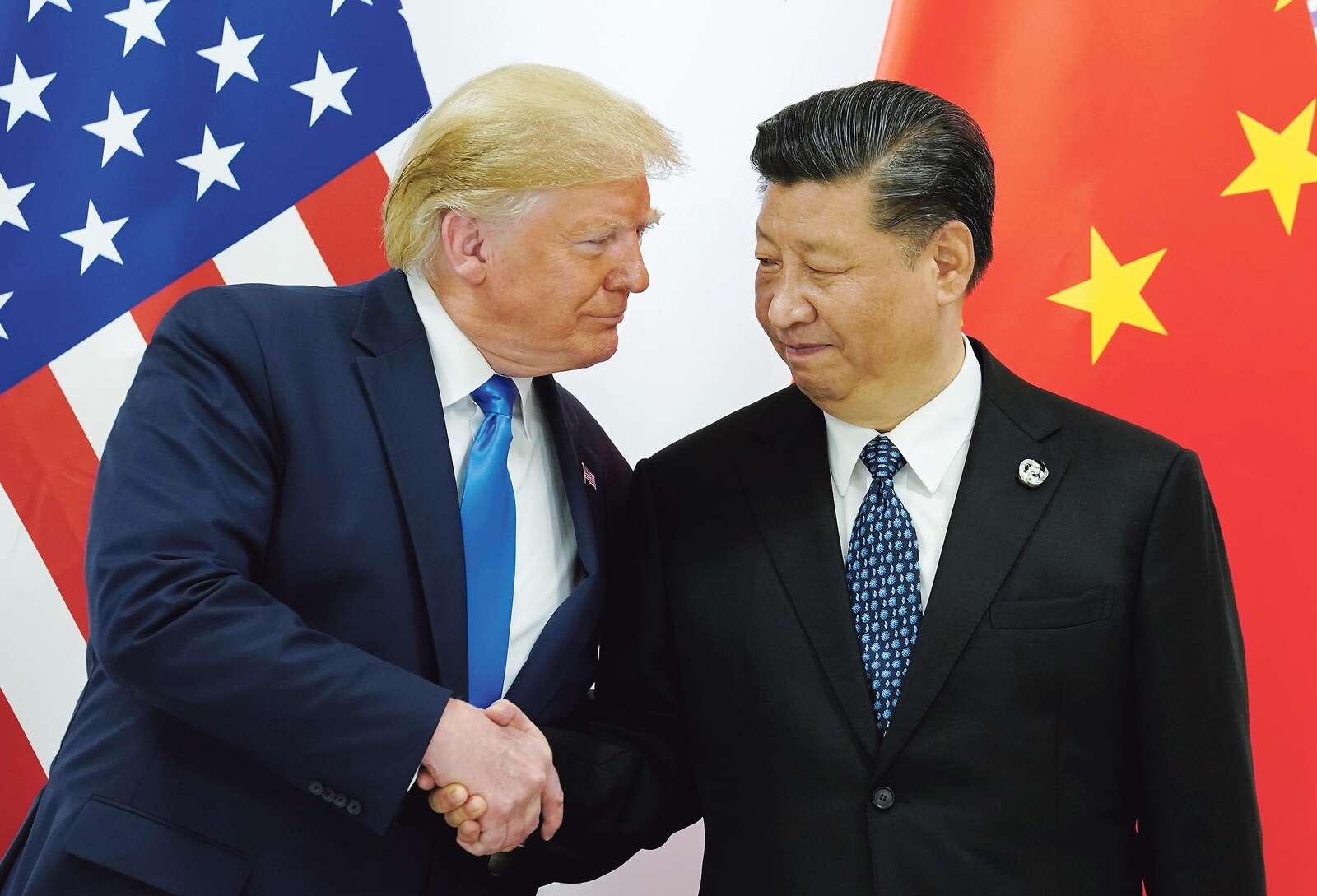
President Donald Trump is set to arrive in Beijing this Wednesday for a high-stakes three-day state visit. While the summit was originally designed to repair fractured trade ties, it is now being overshadowed by the urgent need for a diplomatic breakthrough in the US-Iran conflict.
This marks the first visit by a sitting US president to China in nearly nine years, occurring at a time when global energy markets are reeling from the blockade of the Strait of Hormuz.
The Agenda: Trade vs. War
-
A "Deals" Driven Delegation: Trump is traveling with a powerhouse group of CEOs, including Elon Musk (Tesla), Tim Cook (Apple), and Larry Fink (BlackRock). The goal is to revive commercial engagement and stabilize the volatile tariff environment that has plagued the two economies.
-
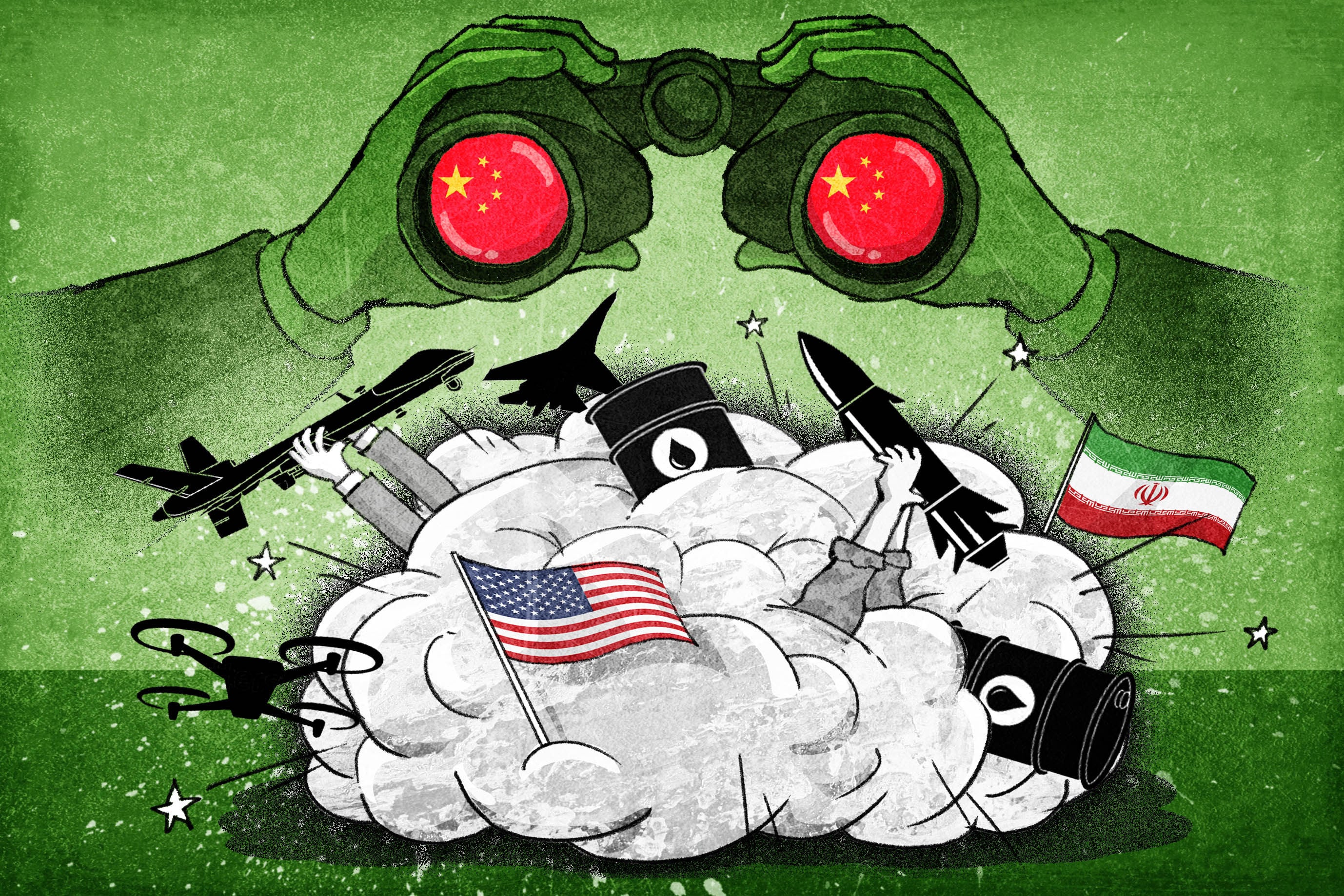
The Iran Factor: Behind the scenes, the primary objective is securing Beijing's help to de-escalate the Middle East war. Washington wants China—Tehran's biggest oil buyer—to pressure Iran into reopening vital maritime routes and stopping attacks on commercial shipping.
-
The Cost of Cooperation: Analysts suggest this puts Trump in a delicate position. To get China's help, he may have to offer concessions on trade or security, which critics at home might view as a sign of weakness.
China’s Position: The Mediator?
China has found itself in a unique position of influence. Along with Pakistan, Beijing has proposed a five-point framework to secure a ceasefire. For China, this isn't just about diplomacy; it’s about economic survival. Rising oil prices have hit Chinese manufacturing hard, and Beijing is eager to see the conflict end to stabilize its own slowing economy.
Domestic Pressure in the US
The visit comes as Trump faces intense heat in Washington. Senate Democrats, led by Chuck Schumer, have branded the conflict an "illegal, costly war" and are pushing for a War Powers Resolution to force a US withdrawal. Secretary of State Marco Rubio has expressed hope that China will tell Iran they are becoming "globally isolated," though the White House remains wary of how much leverage Beijing is actually willing to use.
-
Enhancing Institutional Linkages: Pakistan and Leb...
Lebanese Armed Forces Commander-in-Chief General Rodolphe Haykal met with Field Marshal Sy...

-
Force Solves Nothing': China Rebukes US, Israel, a...
A U.S. federal judge has blocked the Trump administration’s controversial $100,000 fee f...
-
8 Killed in Tyre as Israel Targets Christian Quart...
Israeli airstrikes killed eight people in Tyre today after the IDF issued a forced displac...

-
Opposition Declares 'Black Day' in Gilgit-Baltista...
A broad opposition alliance, including Imran Khan’s PTI and the TTAP, has completely rej...
-
Budget Deadlock Defused: PPP Set to Back Federal B...
The political deadlock over the Federal Budget 2026–27 has eased following a high-level ...