POLITICS & POLICY MAKING
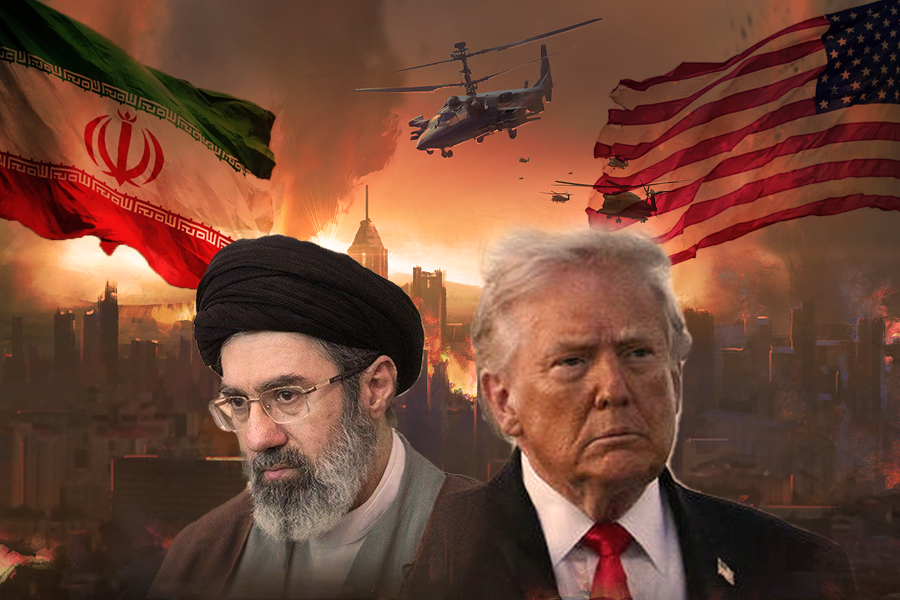
The Final Signature Eludes: President Trump Warns 'Not to Rush' as Iranian Nuclear Holdouts Stall Historic Peace Accord
Detailed Report
-
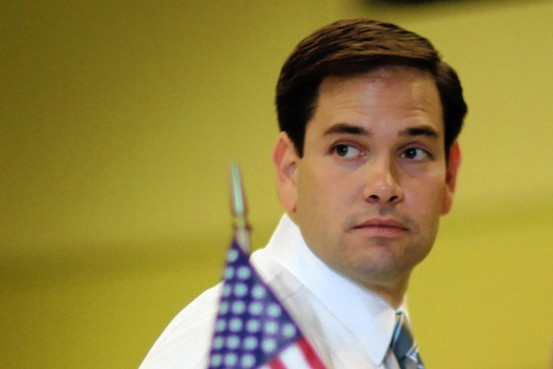
The Stalled Paperwork: Despite intense international anticipation and complex multi-channel diplomacy, a finalized Memorandum of Understanding (MoU) to end the war between the United States and Iran remains out of reach. While U.S. Secretary of State Marco Rubio expressed optimism in New Delhi that the world would receive "good news" within hours, a definitive signing ceremony was delayed as negotiators hit late-stage friction points regarding the scope of Iran's nuclear infrastructure.
- The Supreme Deciding Authority: Speaking to Iranian state media on Sunday, President Masoud Pezeshkian clarified that the definitive executive mandate to sign any historic accord rests solely with Supreme Leader Ayatollah Mojtaba Khamenei, who has been operating from an underground command facility since sustaining injuries at the onset of the war. "No decision in the country will be made outside the framework of the Supreme National Security Council and without the permission of the Supreme Leader," Pezeshkian stated, emphasizing that while Tehran is fully prepared to reassure global inspectors that it has no intent to build a nuclear bomb, it will not compromise its state honor or sovereign dignity.
- Trump’s Maximum Leverage Strategy: From Washington, U.S. President Donald Trump tempered immediate expectations, publicly instructing his diplomatic team "not to rush into a deal." Trump asserted that the devastating American naval blockade on Iranian shipping lanes will remain in full force and effect until an agreement is officially reached, certified, and signed. Stating that "time is on our side," Trump claimed his emerging framework would yield vastly superior structural safeguards against a nuclearized Tehran than the original 2015 Obama-era nuclear accord (JCPOA), maintaining that a permanent nuclear pact cannot be drawn up "in 72 hours on the back of a napkin.
- The Uranium and Blockade Sticking Points: Ground-level sources report that negotiations are currently snagged on "two to three" critical clauses. According to reports from Iran's semi-official Tasnim news agency and Reuters, Tehran has adamantly refused an American demand to ship its highly enriched uranium (HEU) stockpile completely out of the country, arguing that the immediate truce is intended to resolve the shipping crisis in the Strait of Hormuz, not enforce premature nuclear concessions. The current draft on the table proposes an immediate halt to hostilities on all fronts, a suspension of U.S. oil sanctions, a 30-day operational resolution period for the Strait of Hormuz, and a subsequent 60-day window specifically allocated for broader, time-limited nuclear negotiations.
-
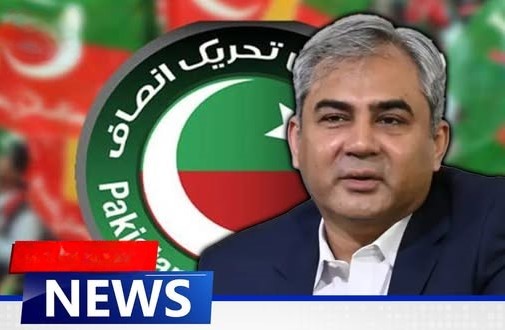
Secret Naqvi-PTI Meeting Triggers Internal Rift Ov...
A low-profile meeting between senior PTI leaders and Interior Minister Mohsin Naqvi has sp...
-
Kremlin Escalates with Hypersonic Barrage: Russia ...
Devastation in Kyiv: Smoke blankets the Ukrainian capital after Russia launched a massive ...
.jpg)
-
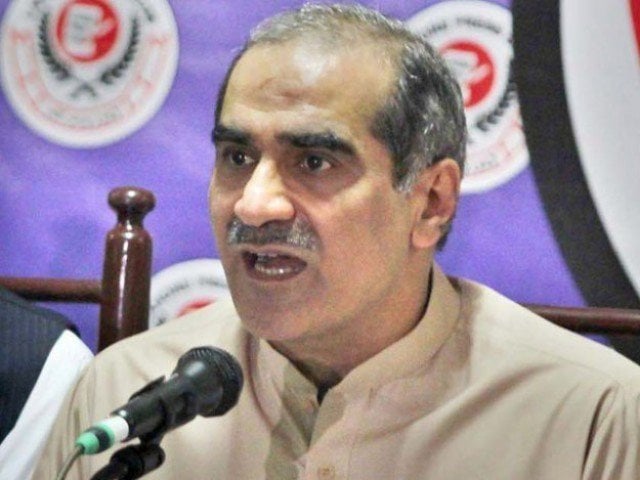
Lower the Political Temperature: PML-N’s Saad Ra...
Senior PML-N leader Khawaja Saad Rafique has called on all political stakeholders, includi...
-
"Maybe Today": Secretary Marco Rubio Signals Immin...
U.S. Secretary of State Marco Rubio announced in New Delhi on Monday that a breakthrough d...
-
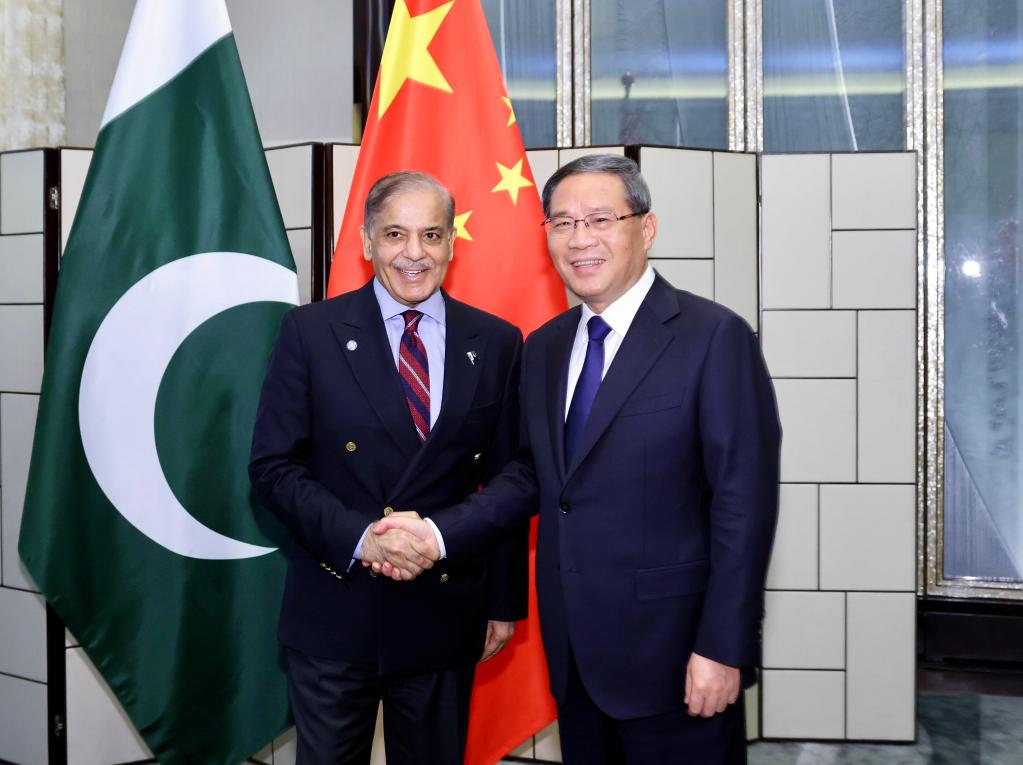
Iron Brother Alliance: PM Shehbaz Meets Chinese Co...
Based on the official text and recent diplomatic coverage of Prime Minister Shehbaz Sharif...