Entertainment
Detailed Report
-
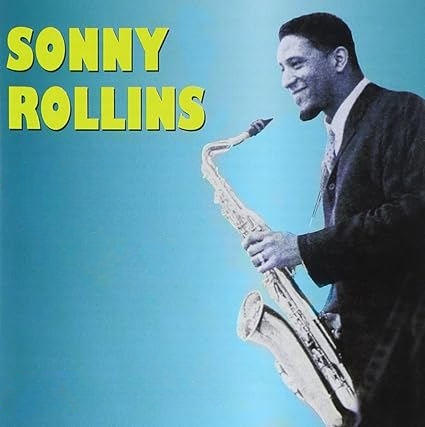
Passing of the Last Giant: Walter Theodore "Sonny" Rollins, widely revered as the last surviving titan of modern jazz’s golden age, died on Monday afternoon at his home in Woodstock, New York. He was 95 years old. His spokesperson, Terri Hinte, confirmed his passing, marking the end of a towering seven-decade career that transformed the expressive possibilities of the tenor saxophone. As a contemporary and collaborator of icons like Charlie Parker, Thelonious Monk, Miles Davis, and John Coltrane, Rollins was celebrated as one of the greatest improvisers in musical history, renowned for a biting, robust tone and an exhaustive creative drive.
- The Williamsburg Bridge Sabatical: Despite recording the highly acclaimed Saxophone Colossus in 1956, Rollins was frequently plagued by intense artistic self-doubt. In the summer of 1959, seeking a place to practice for hours without disturbing his pregnant neighbor, he retreated to the pedestrian walkway of New York’s windswept Williamsburg Bridge. This legendary, self-imposed sabbatical lasted over two years, with Rollins practicing up to 15 hours a day against the roar of subway trains and traffic. The grueling ritual culminated in his landmark 1962 album, The Bridge, which elevated his harmonic vocabulary and solidified his reputation as a fearless innovator willing to strip away fame to perfect his craft.
-
A Final Reflection on Creation: In a statement published on his website following his passing, a quote from Rollins captured his lifelong spiritual approach to his art:
"I think when the creative person ends, he continues in the next existence. I'm a person who believes this life isn't the be-all and end-all of everything. A spiritual person doesn't feel like that."
-
An Uncompromising Creative Path: Born in Harlem on September 7, 1930, Rollins overcame early encounters with institutional friction, including mid-century arrests for armed robbery and drug offenses, which he famously converted into self-reflective "learning sabbaticals." Shunning the self-destructive lifestyles that claimed many of his peers, he embraced yoga, exercise, and spent time in an Indian monastery during a late-1960s retreat. His vast catalog of over 60 albums includes defining compositions like the calypso-infused "St. Thomas," "Oleo," and the soundtrack to the 1966 film Alfie. Though he famously collaborated with rock icons like the Rolling Stones on their 1981 album Tattoo You, Rollins later admitted he didn't deeply connect with their work, noting it was largely derivative of Black blues.
-
The Final Act: After earning multiple Grammy Awards, the National Medal of Arts, and Kennedy Center Honors, a severe battle with pulmonary fibrosis forced Rollins to retire from public performance in 2014. Despite the physical limitations that defined his later years, his music remained an anchor of the American landscape. He is survived by his nephew, the jazz trombonist Clifton Anderson, and his nieces, Vallyn Anderson and Gabrielle DeGroat.
-
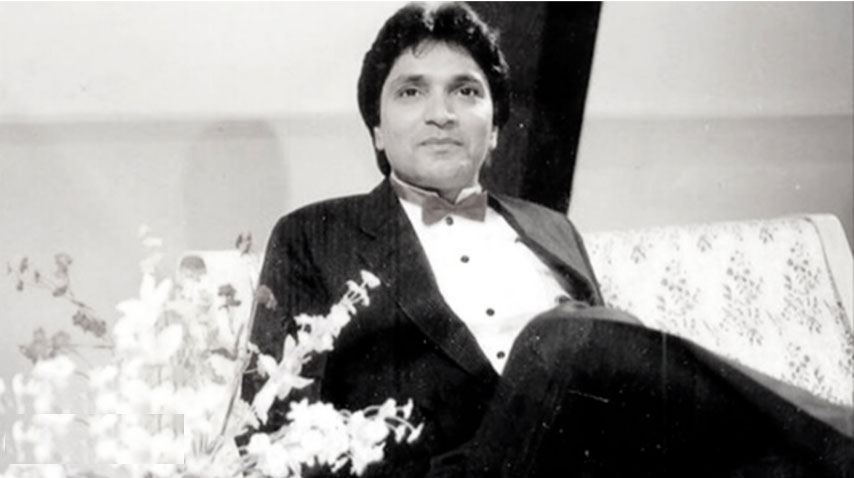
15 Years Without the King of Comedy: Pakistan Reme...
Pakistan is observing the 15th death anniversary of the iconic artist, comedian, and host ...
-
Netflix Unveils ‘American Manhunt: Osama Bin Lad...
Netflix’s ‘American Manhunt: Osama Bin Laden’ explores the 12-year chase to capture ...

-
Lahore-Based Colabs Secures $2 Million in Pre-Seri...
Lahore's coworking space Colabs raises an additional $2 million in funding, targeting expa...

-
Actress Meera Calls on Government to Reduce Lipsti...
Actress Meera urges the government to make lipstick more affordable amidst rising inflatio...

-
YouTube Deletes Chahat Fateh Ali Khan's 'Badu Badi...
Copyright controversy: YouTube removes Chahat Fateh Ali Khan's viral hit 'Badu Badi' with ...