WORLD NEWS

Detailed Report
-
The Legislative Directive: In a sweeping policy declaration that sets up a massive confrontation with global tech conglomerates, British Prime Minister Keir Starmer announced on Monday, June 15, 2026, that children under the age of 16 will be legally banned from utilizing social media platforms across the United Kingdom. Starmer, who is facing potential internal leadership challenges in the coming weeks, asserted that modern algorithmic platforms are making young people structurally "unhappy," exposing them to addictive loops and dangerous content.
-
Covered Platforms and Exemptions: According to official government briefs, the impending legal ban will apply directly to mainstream platforms including TikTok, Snapchat, Instagram, YouTube, Facebook, and X (formerly Twitter). However, decentralized peer-to-peer messaging networks like WhatsApp will remain exempt. The state also confirmed that educational and age-segregated spaces—such as Google Classroom, YouTube Kids, and Lego Play—will not be prohibited.
-
Algorithmic Curfews and Hardware Mandates: Beyond a basic age bar, Downing Street is preparing a highly aggressive regulatory framework to be detailed in July 2026. The government is actively weighing the enforcement of mandatory overnight curfews and legally mandated breaks in infinite scrolling features for minors. This follows a separate Ministry of Interior directive issued last week, giving hardware and operating system developers—including Apple and Google—a rigid three-month deadline to deploy device-level safety software that blocks minors from sending, receiving, or accessing nude images on phones and tablets, under threat of forced legislative compliance.
-
Charity Backlash and Corporate Countermeasures: The announcement follows a massive government-led public consultation that garnered 116,000 contributions—the second-largest response in British history. While 91 percent of participating parents supported the 16-year age floor, the policy has fractured the child welfare community:
-
The Criticism: Organizations like Save the Children UK and spokespersons from YouTube warned that blanket bans will unintentionally compromise teenager safety by driving minors into dark, unregulated online spaces where they cannot easily seek help.
-
The Support: The National Society for the Prevention of Cruelty to Children (NSPCC) and high-profile global advocates Prince Harry and Meghan Markle welcomed the move, emphasizing that lasting safety requires tech firms to prioritize children's wellbeing over raw engagement profits.
-
The Tech Response: Corporate representatives from TikTok and YouTube defended their existing infrastructure, pointing to over 50 preset privacy features for youth accounts while warning against the risks of a total black-market migration. The policy is also expected to strain diplomatic ties with U.S. President Donald Trump, following recent statements from the U.S. Embassy in London opposing broad digital bans.
-
-
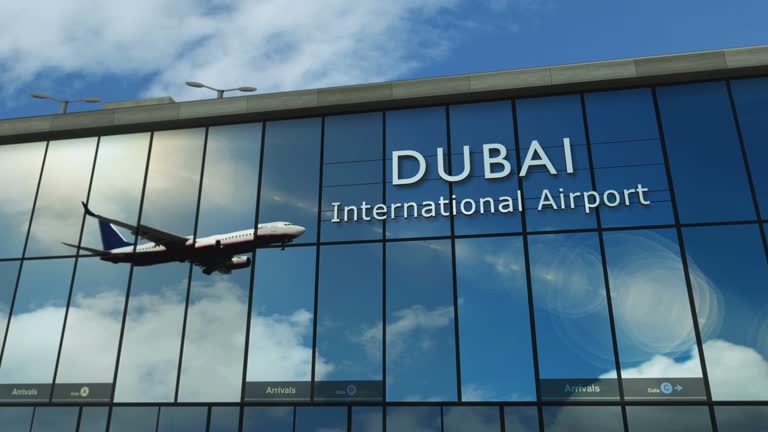
Shock at Dubai Airport: 200+ Live Reptiles, Scorpi...
Security personnel at Dubai Airport discovered over 200 live creatures—including 129 liz...
-
Magnitude 7.8 Megathrust Earthquake Strikes Philip...
A powerful 7.8 magnitude earthquake struck off the southern Philippine island of Mindanao ...
_cleanup.jpg)
-
Prince Harry 'Stops Resisting' Meghan's Hollywood ...
Prince Harry has reportedly abandoned plans for a low-profile lifestyle or a potential UK ...
-
49 Migrants Die of Thirst in Sahara Desert After T...
Around 49 Nigerien travelers died of thirst in the Sahara Desert after their truck broke d...
.jpg)
-
UAE Suspends Visas and Restricts Travel From Three...
The UAE has suspended all new visas and restricted entry for travelers from the Democratic...