LEGAL
'250,000 Annual Deaths': Punjab Government Launches Stricter Tobacco Regulations to Combat Youth Vaping Surge
Detailed Report
-
The Executive Mandate: Punjab Chief Minister Maryam Nawaz has issued a direct provincial directive calling for the immediate, strict enforcement of existing anti-tobacco legislation alongside a heightened public awareness campaign. In an official message released on World No-Tobacco Day, the Chief Minister categorized tobacco consumption as an urgent public health crisis. She warned that the unchecked habit remains a leading driver of preventable, chronic illnesses and premature deaths across the province, posing a severe structural threat to both individual family units and the wider public healthcare infrastructure.
-
The Scale of the Crisis: Pointing to verified national medical databases, Maryam Nawaz highlighted a grim reality: tobacco-related illnesses are currently responsible for more than 250,000 deaths annually in Pakistan. She emphasized that smoking cannot be brushed off as a harmless personal choice, arguing that its toxic ripple effects systematically drain household financial resources, strain government medical budgets, and place an unnecessary burden on public emergency rooms.
The Immediate Enforcement Target Areas: Under the new executive directive, municipal authorities and law enforcement agencies across Punjab have been ordered to ensure absolute compliance with anti-smoking regulations. The provincial government has specified that a policy of zero tolerance will be applied to the following zones:
Educational Institutions (Universities, Colleges, and Schools)
Government Offices and Public Sectors
Public Transport Networks and Inter-City Terminals
Enclosed Public Spaces and Commercial Hubs
-
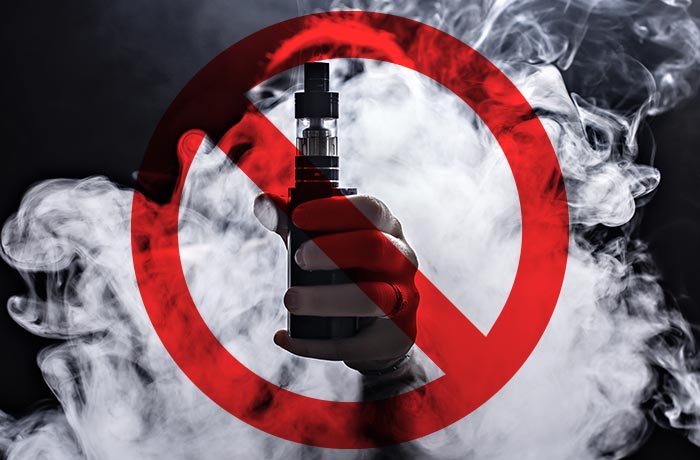
The Fight Against Youth Vaping: A central focus of the Chief Minister's message was the dangerous, rapid surge of vaping, e-cigarettes, and flavored tobacco products among teenagers and young adults. Maryam Nawaz voiced deep concern over how modern tobacco marketing has successfully targeted the youth, warning that these habits are directly locking the younger generation into early-onset cardiovascular diseases, chronic lung damage, and long-term respiratory complications. She declared that shielding youth from nicotine addiction is a top-tier policy priority, calling on families, teachers, and civil society to share the responsibility by actively discouraging tobacco use at home and in public spaces.
-
Future in Limbo: Exam Boycott by Karachi Universit...
Nearly 50,000 students at Karachi University have been left stranded as a faculty exam boy...

-
SC Deadline Missed: IHC Adjourns Sentence Suspensi...
The Islamabad High Court has adjourned the sentence suspension hearings for human rights l...

-
85 FIA Officers Penalized After Submitting Senate ...
The Federal Investigation Agency has penalized 85 of its immigration officers for corrupti...

-
Arrest Imminent: Controversial Speaker Sahil Adeem...
Controversial social media influencer Sahil Adeem has petitioned the Islamabad High Court ...
.jpg)
-
Suthra Punjab Operation: CM Maryam Nawaz Orders Vi...
Punjab Chief Minister Maryam Nawaz has sanctioned a Rs50,000 fine for illegal sacrificial ...
.jpg)