LEGAL
Detailed Report
-
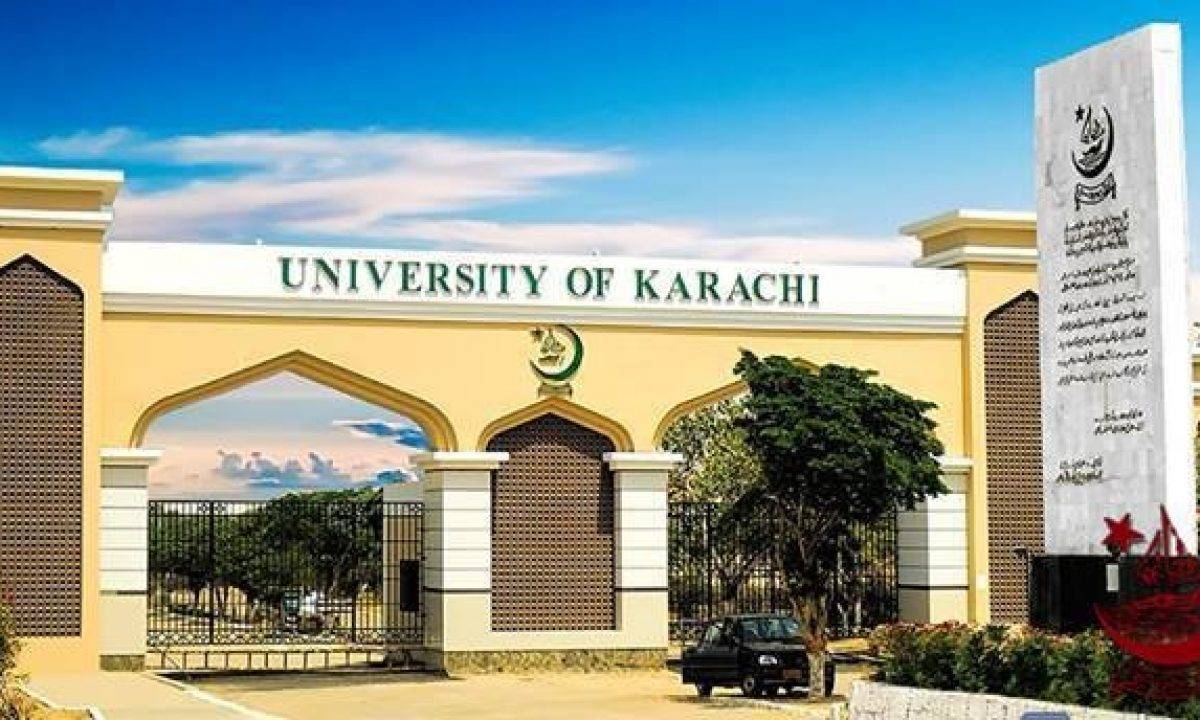
The Month-Long Deadlock: The academic landscape at the University of Karachi (KU)—the largest public sector university in Pakistan—has ground to a complete halt, leaving nearly 50,000 students stranded in a state of severe uncertainty. A sweeping exam boycott initiated by the varsity's faculty has officially entered its fourth consecutive week with no clear resolution in sight. The prolonged strike has completely disrupted the spring academic calendar, giving rise to intense anxiety among students and parents who now face the grim prospects of an overextended school year, shortened upcoming semesters, and the complete elimination of their scheduled semester breaks.
-
The Root of the Faculty Strike: Members of the Karachi University Teachers Society (KUTS) originally walked out and suspended all semester examinations on May 5. Faculty leaders state they were left with no choice but to strike due to the university administration's continuous failure to clear long-standing financial arrears. The teachers refuse to resume exam vigilance or grading duties until the government addresses a deep backlog of unpaid dues, which includes:
-
Evening Class Compensation and lecture vouchers.
-
Exam Supervision, Paper Setting, and script evaluation fees.
-
House Ceiling Allowances and pending leave encashments.
-
A formal independent investigation into the university's systemic financial crisis.
-
The Management Breakdown: KUTS President Syed Ghufran Alam openly admitted that students are the ultimate victims of the standoff but squarely placed the blame on "gross administrative mismanagement." Alam asserted that for nearly seven years, the KU management has adopted a rigid approach to employee welfare, failing to balance high student fees with basic structural payouts for the staff.
-
Mounting Student Resentment: The strike has triggered widespread frustration across diverse departments, with many students pointing out that while semester fees have steadily climbed to mimic private sector rates, campus facilities and basic administrative communications remain completely broken. Final-year students are particularly distressed over delayed graduation timelines, which directly stall entering the job market or applying for foreign postgraduate programs.
-
The Silence of the Sindh Government: A central point of anger among the student body is the complete lack of intervention from provincial authorities. Students have taken to various social media platforms to criticize Sindh Chief Minister Murad Ali Shah—who serves as the ultimate controlling authority for all public universities in the province—and the Universities and Boards Department for remaining silent spectators to the collapse of the country's premier public institution. While KUTS leadership has promised that students will be given a few days of advance notice to prepare once a deal is struck, the final scheduling logistics rest entirely with a university administration that has yet to break the logjam.
-
SC Deadline Missed: IHC Adjourns Sentence Suspensi...
The Islamabad High Court has adjourned the sentence suspension hearings for human rights l...
-
'250,000 Annual Deaths': Punjab Government Launche...
On World No-Tobacco Day, Punjab CM Maryam Nawaz ordered the strict enforcement of anti-smo...
-
85 FIA Officers Penalized After Submitting Senate ...
The Federal Investigation Agency has penalized 85 of its immigration officers for corrupti...
-
Arrest Imminent: Controversial Speaker Sahil Adeem...
Controversial social media influencer Sahil Adeem has petitioned the Islamabad High Court ...
.jpg)
-
Suthra Punjab Operation: CM Maryam Nawaz Orders Vi...
Punjab Chief Minister Maryam Nawaz has sanctioned a Rs50,000 fine for illegal sacrificial ...
.jpg)