POLITICS & POLICY MAKING
Bürgenstock Summit Abruptly Called Off: U.S.-Iran Swiss Peace Talks Collapse After Vice President Vance Cancels Departure
Detailed Report
-
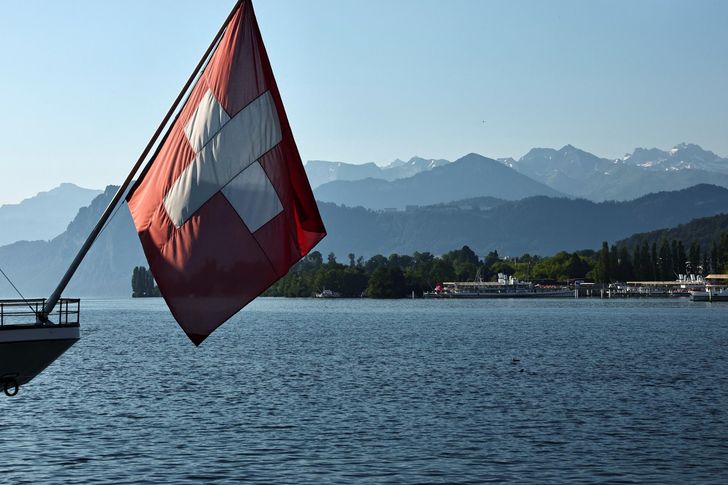
The Summit Cancellation: The highly anticipated high-stakes diplomatic summit between the United States and Iran, scheduled to begin on Friday, June 19, 2026, at the mountaintop Bürgenstock Resort in Switzerland, has been abruptly called off. The Swiss Foreign Ministry confirmed the cancellation without providing specific operational reasons. The diplomatic breakdown was triggered after U.S. Vice President JD Vance cancelled his flight to Europe. A White House spokesperson later issued a statement noting that "the logistics of these negotiations have never been simple or predictable," confirming that the U.S. delegation stood down after initially being prepared to depart.
-
Iranian and Domestic Skepticism: The sudden cancellation follows severe friction from both sides over the execution of the newly finalized 14-point "Islamabad Memorandum." In Tehran, the semi-official Tasnim news agency reported that Iranian negotiators refused to travel to Switzerland until Washington demonstrated concrete field implementation of the agreed-upon sanctions relief. Furthermore, Iran’s Foreign Ministry publicly dismissed the need for a Swiss signing ceremony altogether, declaring it "unnecessary" given that both President Donald Trump and President Masoud Pezeshkian had already executed the accord digitally.
-
The Strategic Fallout and Trump's Political Backlash: The four-month war—which began on February 28, 2026, and has claimed at least 7,000 lives—leaves President Trump facing immense domestic political blowback ahead of the November midterm elections. Republican allies in Congress have openly questioned his departure from his initial demand for Iran's "unconditional surrender." Critics note that despite the conflict's goal to eliminate Iran’s nuclear capabilities, the signed deal instead leaves Iran in a stronger geopolitical position. Under the current memorandum, Iran has secured:
-
Economic Sanctions Relief: Immediate access to tens of billions of dollars in frozen assets and U.S. waivers for crude oil exports.
-
Nuclear Material Retention: The right to keep its highly enriched uranium stockpile inside the country for localized "down blending" under IAEA supervision, rejecting Trump's core demand to export the material.
-
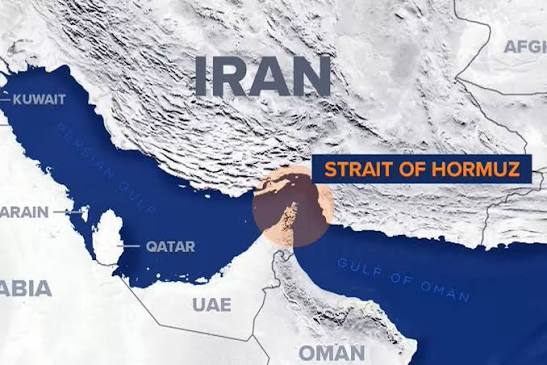
Choke Point Leverages: Ongoing joint control over the strategic Strait of Hormuz alongside Oman, with plans to introduce entirely new service fees for international shipping lines once the 60-day talks conclude.
-
-
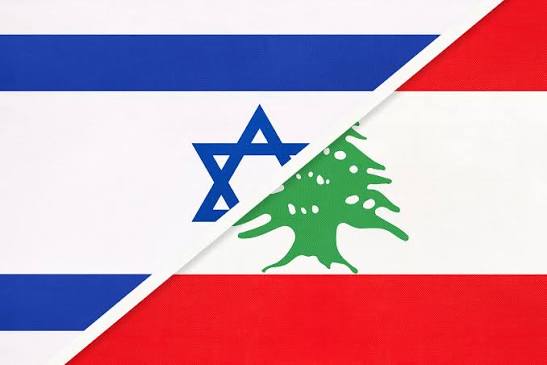
The Israeli-Lebanon Rift: Further clouding the prospects of a lasting truce is Israel’s total divergence from the U.S. diplomatic track. Left out of the bilateral negotiations, Israel has completely distanced itself from the memorandum. Tel Aviv launched fresh airstrikes across Lebanon on Friday, killing at least 15 people in targeted operations against Hezbollah. While the U.S.-Iran accord explicitly calls for the "permanent termination" of the war in Lebanon, Israel has defied the mandate, publishing a new map detailing an expanded permanent military occupation zone in South Lebanon. This defiance has created one of the most severe diplomatic rifts between Washington and Tel Aviv in decades, as Trump grows openly critical of ongoing Israeli operations.
-
Strait of Hormuz Traffic Hits Two-Month High as 25...
Commercial shipping traffic through the Strait of Hormuz hit a two-month high on Thursday ...
-
Middle East Truce Imperiled as Ben Gvir Demands â€...
The U.S.-Iran peace framework faces a critical test as technical talks in Switzerland are ...
-
‘Islamabad MoU’ Sparks Political Storm in Indi...
The naming of the U.S.-Iran peace treaty as the "Islamabad MoU" has triggered a political ...
-
‘Wake Up and Smell Reality’: VP Vance Issues B...
U.S. Vice President JD Vance has delivered a sharp public rebuke to Israeli critics of the...
-
Jailed PTI Stalwarts Propose ‘Charter of Pakista...
Five jailed senior PTI leaders have sent a joint letter from Kot Lakhpat Jail urging oppos...