POLITICS & POLICY MAKING
-
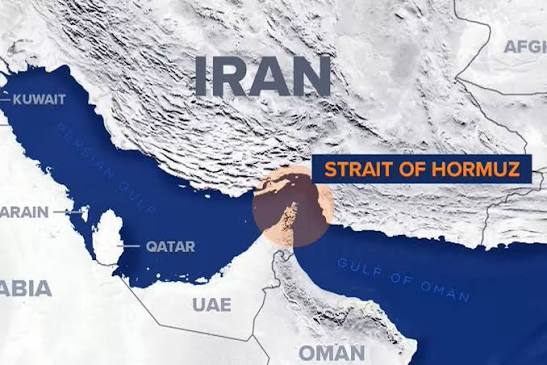
A Volatile Surge in Transit: Commercial shipping traffic through the strategically vital Strait of Hormuz has surged to its highest single-day volume in two months, according to real-time data released by maritime tracking firm AXSMarine. On Thursday, June 18, 2026, a total of 25 verified commercial vessels successfully crossed the newly reopened trade artery. This figure marks a fivefold increase over the dismal daily average of 7.6 transits recorded during early June, demonstrating immediate commercial movement following the digital signing of the "Islamabad Memorandum of Understanding (MoU)" by Washington and Tehran.
-
The Reality of Peacetime Metrics: Despite the immediate spike, current traffic remains a mere fraction of historical norms. Prior to the outbreak of the war on February 28, 2026—which was triggered by joint U.S.-Israeli kinetic strikes on Iran—approximately 120 commercial vessels passed through the bottleneck daily according to Lloyd’s List. The closure effectively choked off a fifth of the world's crude oil and liquefied natural gas (LNG) exports, causing catastrophic supply chain blocks for crucial global commodities like petroleum and raw fertilizers.
-
Trapped Seafarers and Safety Warnings: The sudden surge in transit materialized just hours before the scheduled Swiss technical peace talks at Bürgenstock were officially postponed. Consequently, global shipping conglomerates and maritime security groups remain deeply skeptical. According to data tracked by the International Maritime Organization (IMO), more than 500 commercial vessels and an estimated 11,000 seafarers remain physically trapped inside the Persian Gulf. In total, the four-month conflict has disrupted the livelihoods of over 20,000 regional mariners.
-
The Shadow of Israeli Defiance: While international shipping lobbies like BIMCO expect a specialized global coordination body to be established shortly to manage safe corridors, broader economic relief remains hostage to geopolitics. While the initial diplomatic breakthrough caused international oil and energy transport prices to drop sharply this week, analysts are flashing warning signs. Experts from banking group Swissquote noted that while the energy sector will be the first to experience fiscal relief, the entire framework remains deeply fragile due to Washington's apparent inability to force a ceasefire on its wartime ally, Israel, which launched fresh, deadly airstrikes across southern Lebanon on Friday.
-
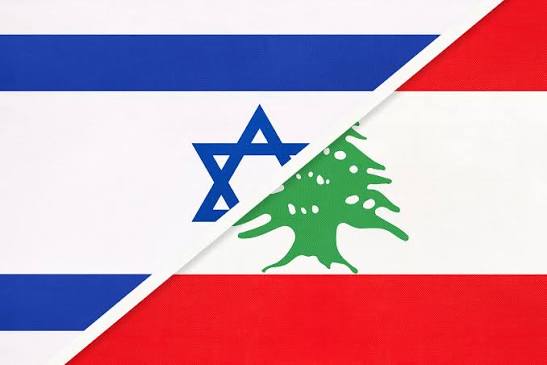
Middle East Truce Imperiled as Ben Gvir Demands â€...
The U.S.-Iran peace framework faces a critical test as technical talks in Switzerland are ...
-
‘Islamabad MoU’ Sparks Political Storm in Indi...
The naming of the U.S.-Iran peace treaty as the "Islamabad MoU" has triggered a political ...
-
‘Wake Up and Smell Reality’: VP Vance Issues B...
U.S. Vice President JD Vance has delivered a sharp public rebuke to Israeli critics of the...

-
Bürgenstock Summit Abruptly Called Off: U.S.-Iran...
The scheduled U.S.-Iran peace talks at Switzerland's Bürgenstock Resort have collapsed af...

-
Jailed PTI Stalwarts Propose ‘Charter of Pakista...
Five jailed senior PTI leaders have sent a joint letter from Kot Lakhpat Jail urging oppos...