POLITICS & POLICY MAKING
On Wednesday, May 13, 2026, the prospects for a definitive peace deal appeared slim as both Washington and Tehran doubled down on their respective strategies. From maritime control in the Strait of Hormuz to the rising cost of the war, the conflict is reshaping global alliances and the U.S. domestic landscape.
-
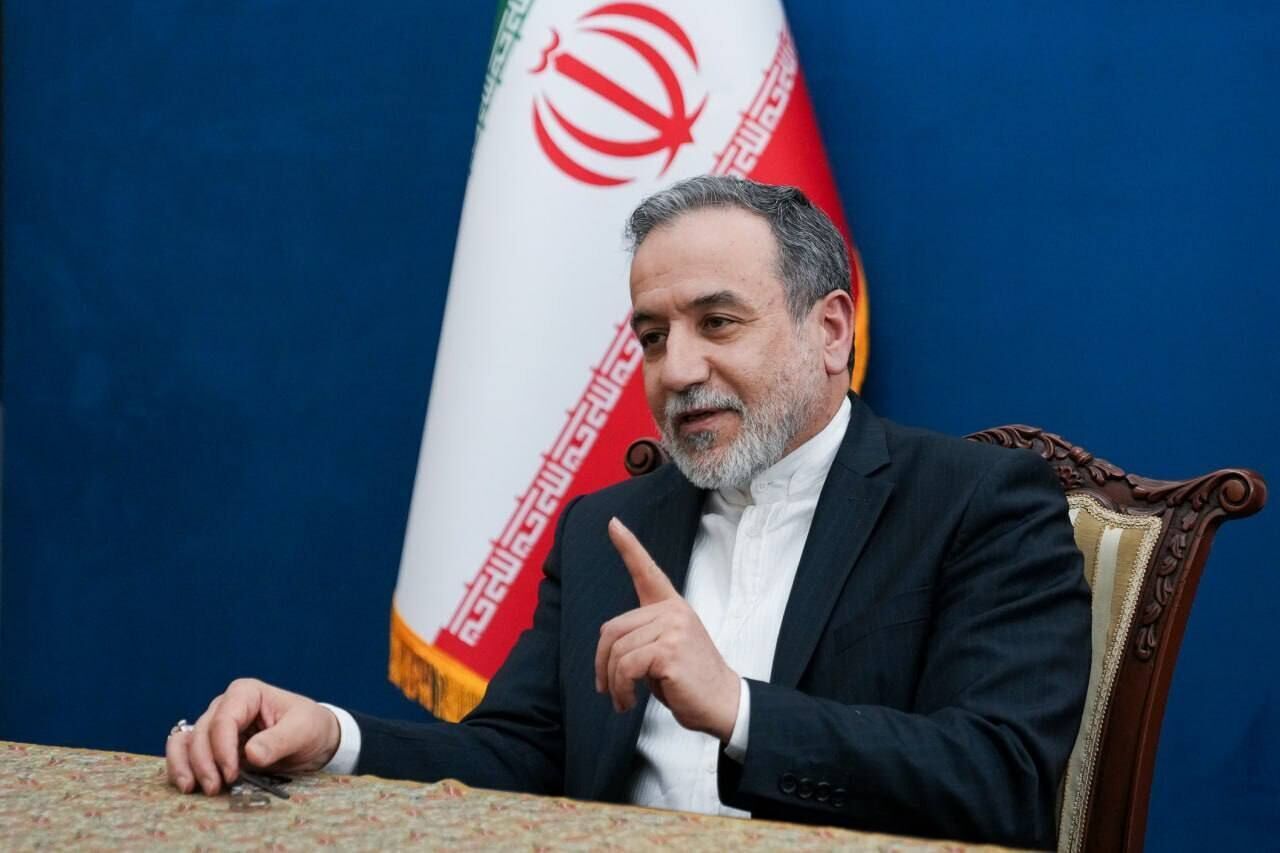
Tehran’s Stance: Foreign Minister Araghchi accused the U.S. of lacking sincerity, calling their "provocative rhetoric" the primary barrier to a ceasefire. Meanwhile, Iran is formalizing a "new legal order" for the Strait of Hormuz, essentially asserting permanent control over the strategic waterway.
-
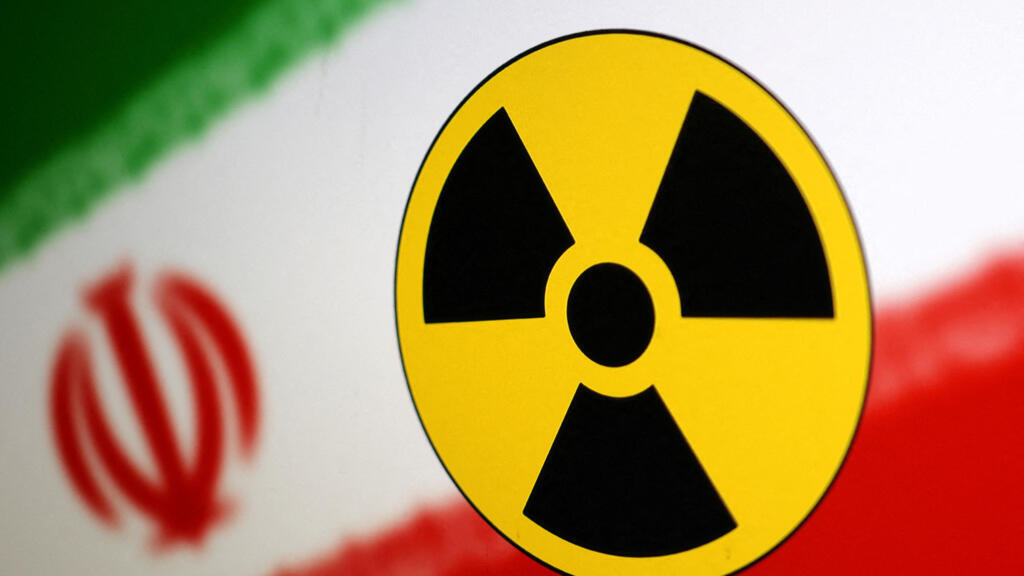
Trump’s "Nuclear First" Policy: Before departing for his summit with Xi Jinping, Trump told reporters that American financial struggles—including soaring inflation and $107/barrel oil—do not influence his war strategy. He maintained that his sole motivation is preventing Iran from obtaining a nuclear weapon, dismissing Iran's demands for war reparations as "garbage."
-
The China Factor: While Trump claims he doesn't "need help" to win, Iran’s Ambassador to China, Abdolreza Rahmani Fazli, highlighted that Tehran’s "Strategic Partnership" with Beijing provides the diplomatic depth necessary to withstand U.S. pressure.
-
Regional Tensions: A new flashpoint has emerged near Bubiyan Island, where Saudi Arabia and Kuwait have condemned an alleged infiltration by the IRGC. Iran maintains the entry was a navigation error during a routine patrol.
-
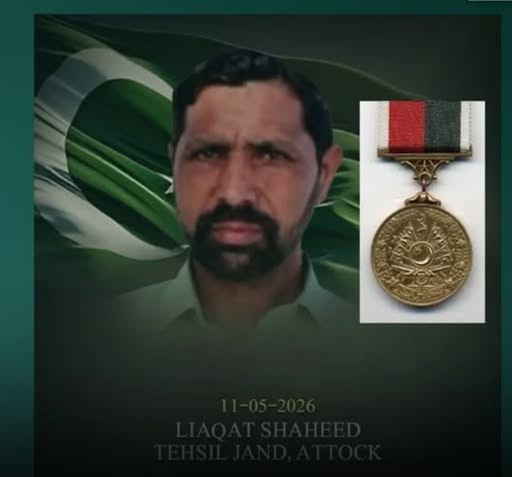
President Zardari Approves Sitara-i-Shujaat for Li...
President Asif Ali Zardari has posthumously awarded the Sitara-i-Shujaat to Liaqat, a brav...
-
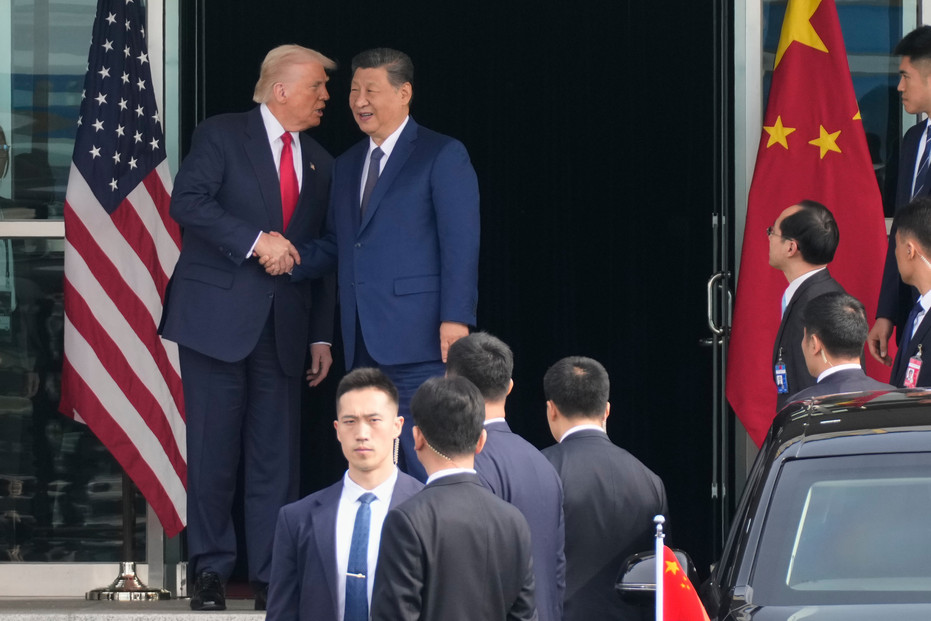
Superpower Summit: Trump Arrives in Beijing for Hi...
The Beijing Agenda Against the backdrop of a fragile trade truce and the ongoing regional ...
-
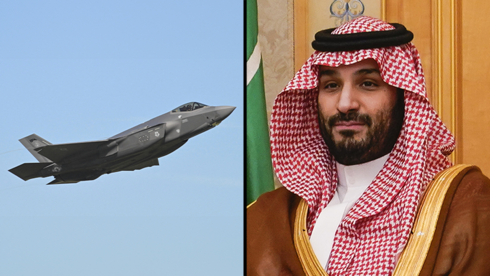
Shadow War Revealed: Saudi Arabia Launched Covert ...
Intelligence sources have revealed that Saudi Arabia conducted a series of "invisible" mil...
-
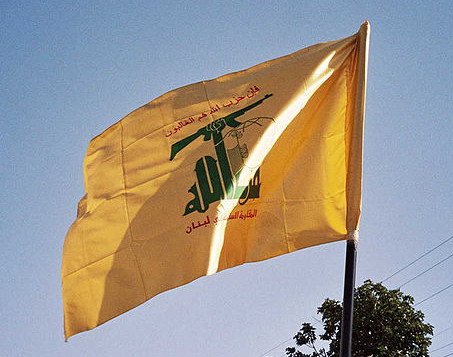
Internal Matter Hezbollah Chief Rejects Disarmamen...
Redline on Disarmament In a written statement today, Qassem asserted that Hezbollah's weap...
-
Nuclear Brinkmanship: Iran Threatens 90% Uranium E...
The Iranian Parliament has issued a stern warning that it could move to 90% uranium enrich...