POLITICS & POLICY MAKING
The Beijing Summit: Strategic Overview
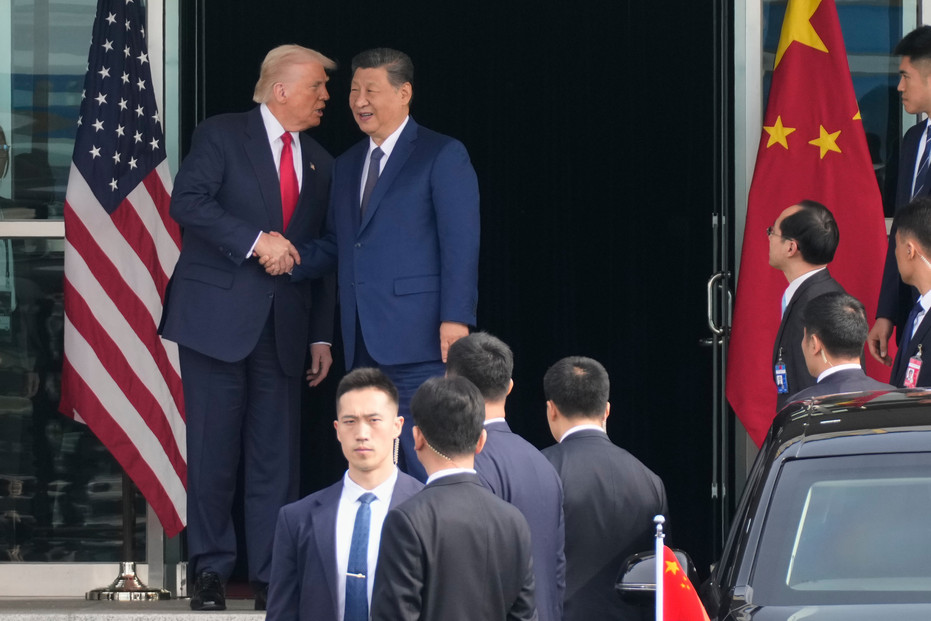
Donald Trump has arrived in China for the first U.S. presidential visit to the country in nearly a decade. The visit is framed as a high-stakes effort to manage the world’s two largest economies amidst the ongoing Middle East war and a fragile bilateral trade truce.
-
The Iran Oil Dilemma:
-
A primary point of contention is China’s position as the leading buyer of U.S.-sanctioned Iranian oil.
-
While Trump asserted to reporters that the U.S. "doesn't need help" to win the conflict with Iran—stating it will be won "peacefully or otherwise"—he indicated he expects a "long talk" with Xi Jinping to curb Tehran's primary revenue source.
-
-
A Shift in Taiwan Protocol:
-
In a significant break from traditional U.S. foreign policy, Trump confirmed he plans to discuss U.S. arms sales to Taiwan directly with Xi.
-
Historically, Washington has refused to consult Beijing on its defense support for the island, making this a potentially controversial pivot in diplomatic strategy.
-
-
Trade & Resource Security:
-
The leaders are working to preserve the "October Truce"—a one-year ceasefire in the tariff war reached in South Korea in late 2025.
-
Talks will specifically address China’s strict export controls on rare earth minerals, which are critical to the U.S. tech and defense sectors.
-
-
Local Atmosphere:
-
Beijing has implemented massive security measures for the arrival, including increased metro ID checks and heavy police presence at major intersections.
-
The formal itinerary for Thursday and Friday includes a state banquet and a private tea reception between the two leaders.
-
-
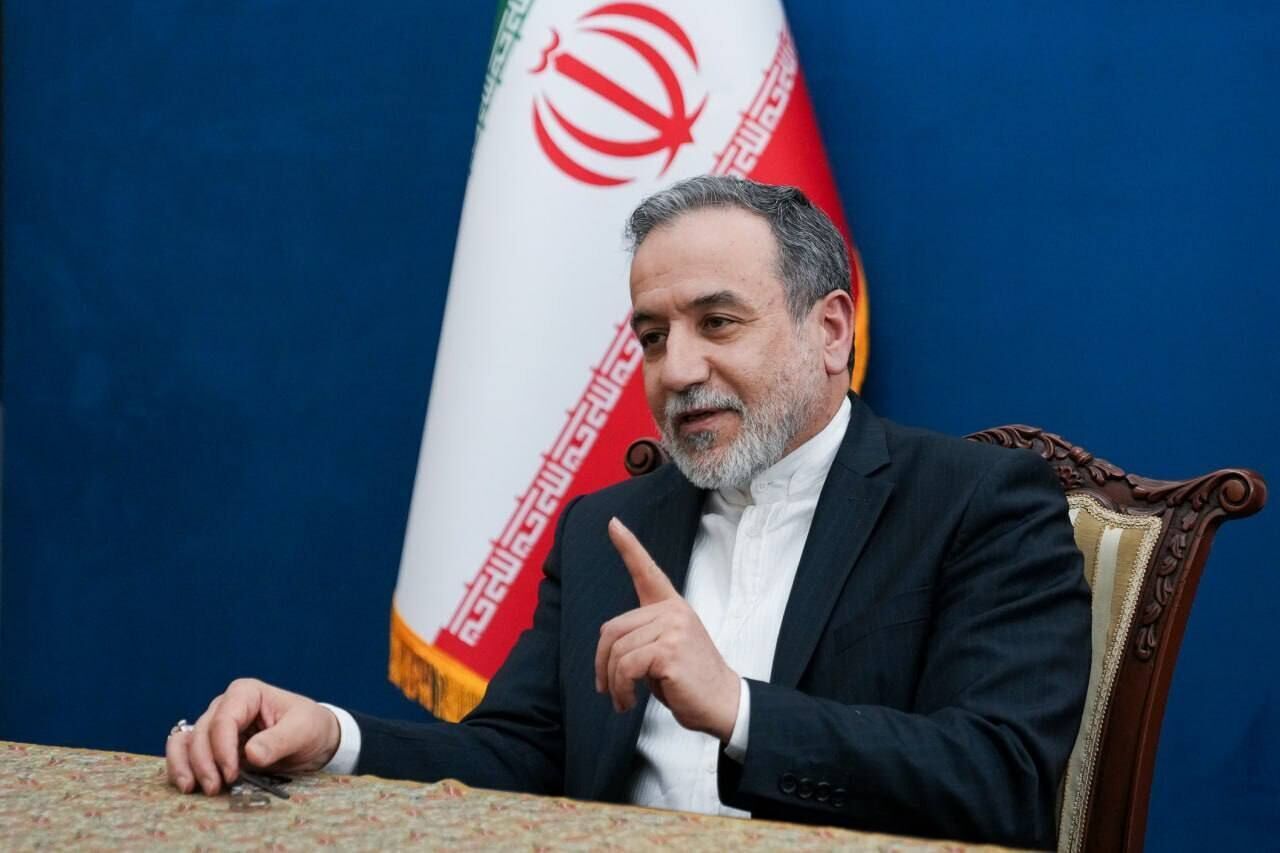
Diplomatic Dishonesty": Iranian FM Slams U.S. Maxi...
In a direct rebuke of the White House’s recent overtures, Foreign Minister Abbas Araghch...
-
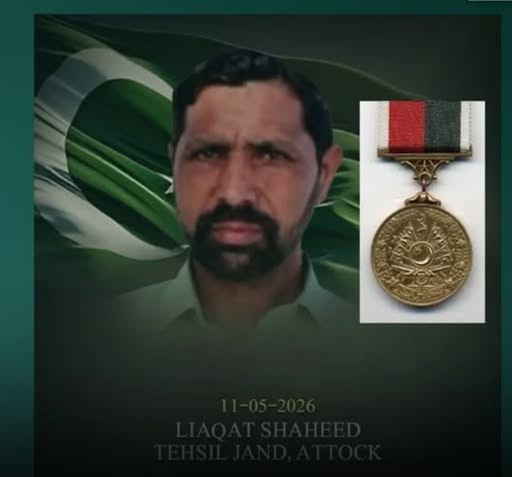
President Zardari Approves Sitara-i-Shujaat for Li...
President Asif Ali Zardari has posthumously awarded the Sitara-i-Shujaat to Liaqat, a brav...
-
Shadow War Revealed: Saudi Arabia Launched Covert ...
Intelligence sources have revealed that Saudi Arabia conducted a series of "invisible" mil...
-
Internal Matter Hezbollah Chief Rejects Disarmamen...
Redline on Disarmament In a written statement today, Qassem asserted that Hezbollah's weap...
-
Nuclear Brinkmanship: Iran Threatens 90% Uranium E...
The Iranian Parliament has issued a stern warning that it could move to 90% uranium enrich...