POLITICS & POLICY MAKING
Diplomatic Deadlock: Iran Snubs Islamabad Talks After U.S. Seizes Cargo Ship
In a major blow to Pakistan’s mediation efforts, Iran has officially declined to send negotiators to Islamabad for the high-stakes second round of talks with the United States. The refusal comes less than 48 hours before a fragile ceasefire is set to expire on Wednesday, April 22, 2026.
Escalation: Gunfire and Seizures at Sea
The diplomatic process was derailed by a series of rapid military escalations in the Gulf of Oman and the Strait of Hormuz:
-
The Seizure of 'Touska': In the early hours of Monday, U.S. President Donald Trump announced that the Navy destroyer USS Spruance intercepted and seized the Iranian cargo ship Touska. Trump claimed the ship was stopped by "blowing a hole in the engine room" after it ignored warnings.
-
"Maritime Piracy": Iranian Foreign Ministry spokesman Esmaeil Baghaei labeled the seizure "piracy" and a "war crime," asserting that the U.S. naval blockade—in place since April 13—had already violated the ceasefire agreement.
-
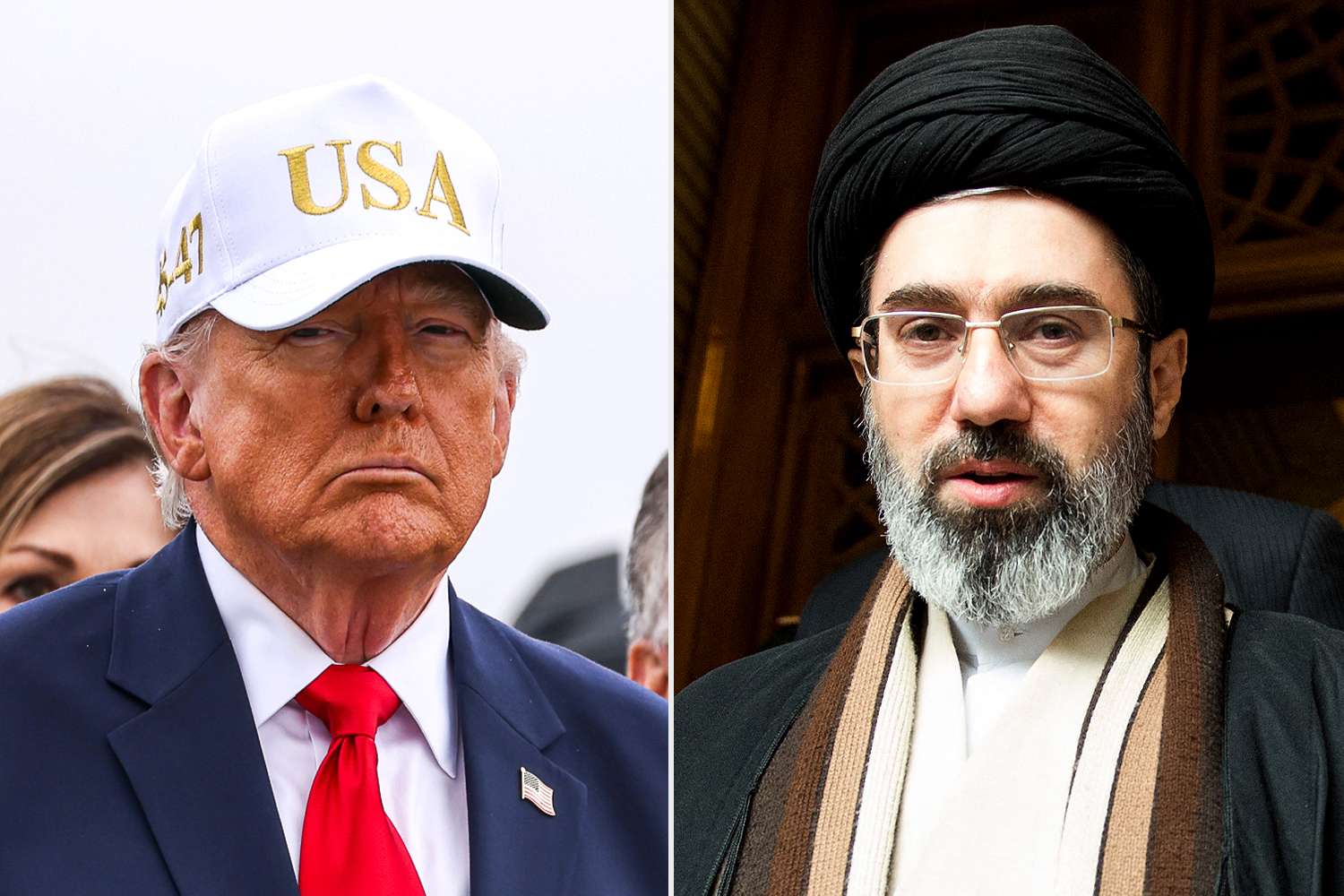
"No Mr. Nice Guy": President Trump accompanied his negotiation announcement with a chilling ultimatum: if Iran rejects a "fair deal," the U.S. will "knock out every single Power Plant and every single Bridge in Iran."
Pakistan’s Mediation in Jeopardy
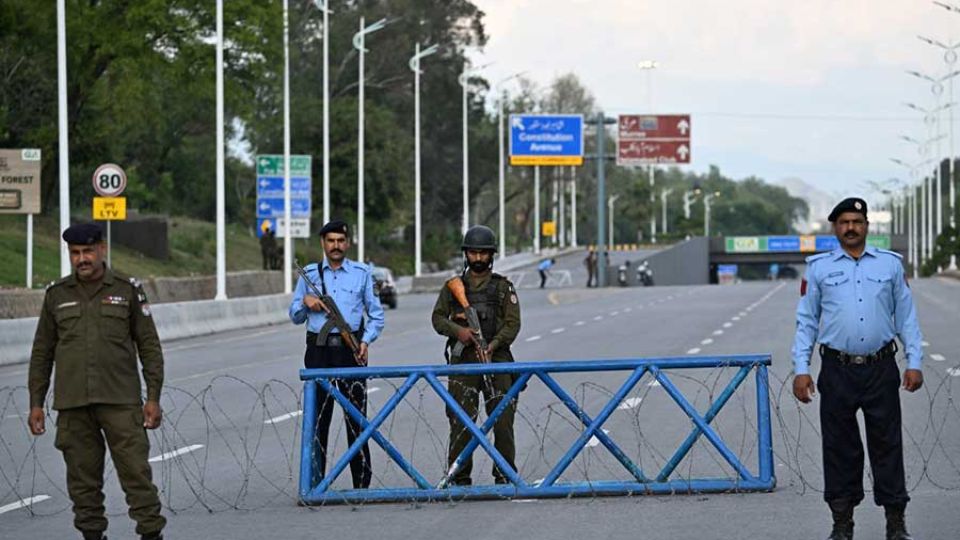
Despite the "Red Zone" in Islamabad being turned into a fortress and five-star hotels being cleared for delegations, the talks are now on the verge of collapse.
-
The "MoU" Strategy: Pakistani mediators, led by Prime Minister Shehbaz Sharif, were aiming for a multi-day session to sign a Memorandum of Understanding (MoU). This would have extended the ceasefire by up to 60 days.
-
The Delegation Gap: While a high-level U.S. team—including VP JD Vance, Jared Kushner, and Steve Witkoff—is mobilizing, Iran's public stance remains a firm "no," citing U.S. "greed" and "unreasonable demands."
-
Field Diplomacy: In a final effort to save the talks, PM Shehbaz Sharif held a 45-minute call with Iranian President Masoud Pezeshkian, emphasizing the regional consensus for peace.
The Core Sticking Points
-
The Blockade: Iran maintains that no productive talks can occur as long as the U.S. naval blockade of the Strait of Hormuz persists.
-
Nuclear Demands: Tehran continues to describe U.S. demands regarding its nuclear program as "maximalist."
-
The Lebanon Factor: Iran views the recent Israel-Lebanon ceasefire as "tactical" and incomplete because it excluded Hezbollah
-
Pakistan Imposes Ban on New Universities and Tehsi...
In a strategic move to reform higher education standards, the government has officially ha...

-
Iran Cannot Be Forced into Irrational Demands Thro...
The Iranian Ambassador to Pakistan, Reza Amiri Moghadam, has issued a definitive statement...
.jpg)
-
Iranian Military Accuses US of Ceasefire Breach Af...
Iran’s military has accused the United States of breaching the ceasefire by targeting a ...
-
Fuel Prices May Stay High if US-Iran Deal Fails...
Experts warn that petrol prices could remain high if ongoing negotiations between the Unit...
-
Naqvi, US Ambassador Review Security Plans for Sec...
Preparations underway for second phase of talks with focus on security....