POLITICS & POLICY MAKING
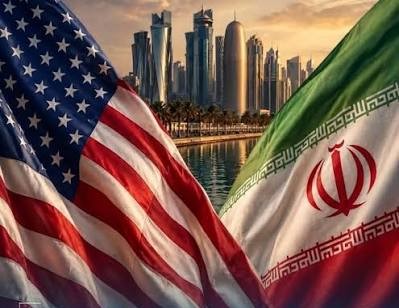
Doha Diplomatic Deadlock: US and Iranian Envoys Arrive in Qatar Amid Mixed Signals and Violations Testing June 17 Accord
Detailed Report
-
The Precarious Tryst: Diplomatic and technical delegations from the United States and Iran have arrived in Doha, Qatar, this week under a cloud of deep operational uncertainty. While White House Press Secretary Karoline Leavitt confirmed that President Donald Trump deployed his son-in-law Jared Kushner and Special Envoy Steve Witkoff to lead high-level talks on the June 17 memorandum of understanding (MoU), Tehran has heavily downplayed the trip. Iranian Foreign Ministry spokesperson Esmaeil Baghaei explicitly stated that Iran’s presence has "no relation" to the American visit and that direct negotiation meetings are not scheduled.
- A Ceasefire Under Fire: The halting progress in Doha underscores the critical fragility of the interim accord aimed at halting a four-month-old regional conflict triggered by US and Israeli strikes on Iran on February 28. Over the weekend, mutual missile and drone skirmishes severely tested the truce. The US accused Iran of striking two commercial vessels in the Strait of Hormuz, prompting US retaliatory bombings on Iranian installations. Iran subsequently retaliated by firing missiles and drones at US military bases located in Kuwait and Bahrain early Sunday morning.
- The Backchannel Formula: Despite the public denials of face-to-face talks, senior officials indicate that proximity diplomacy is underway. Technical teams from both nations are scheduled to hold parallel, separate sessions with Qatari and Pakistani mediators on Wednesday. The primary focus of these immediate talks remains centered on stabilizing maritime lines of communication, de-mining operations, and managing the Strait of Hormuz—especially after Tehran alarmed international shippers by threatening to levy independent transit fees and block vessels straying from designated lanes.
-
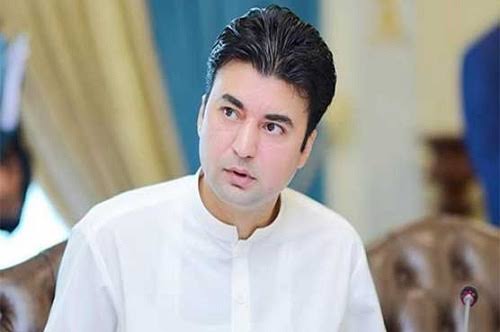
Is an Un-sworn Candidate a Senator? ECP Reserves V...
The ECP has reserved its verdict on the suspension of the KP Senate by-election schedule f...
-
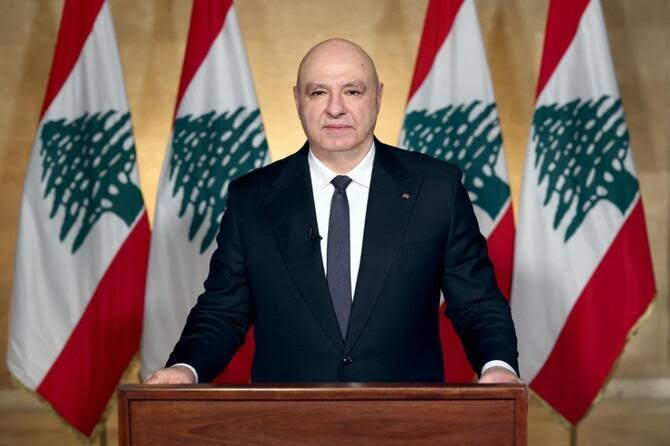
Securing the Sovereignty Shift: President Joseph A...
Lebanese President Joseph Aoun met with Army Chief Rodolphe Haykal to finalize military de...
-
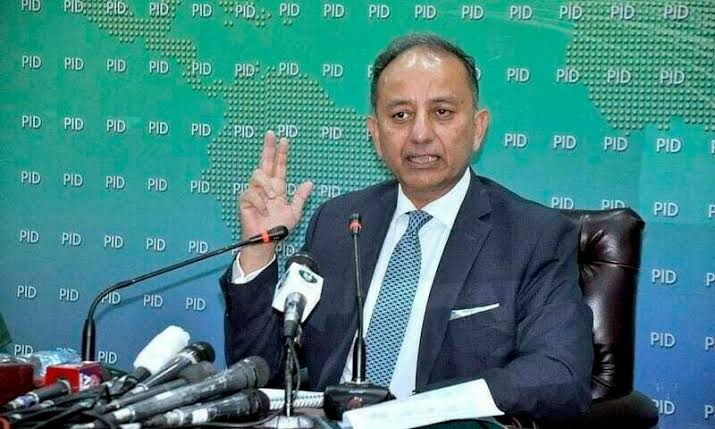
‘Water as a Weapon’: Climate Minister Musadik ...
Federal Minister for Climate Change Musadik Malik has accused India of using river water a...
-
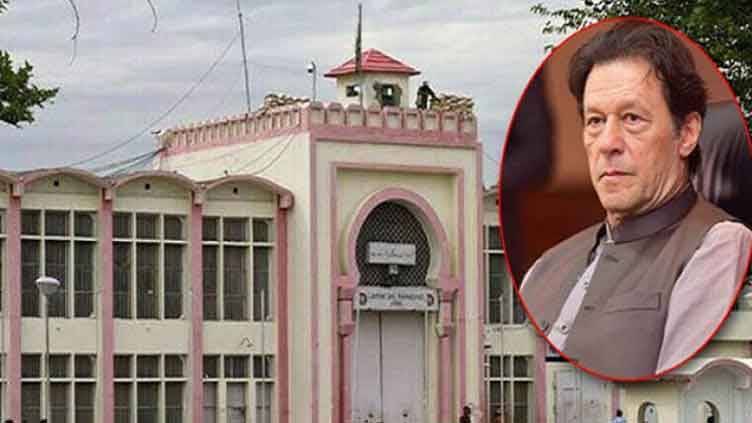
Rawalpindi Prison Break: 14 High-Risk Inmates Blin...
Five Adiala jail officials, including the transport guard in-charge, have been arrested af...
-
Iran Rejects French-Omani Mine-Clearing Plan, Clai...
Iran has rejected a proposal by French President Emmanuel Macron and Omani Sultan Haitham ...