POLITICS & POLICY MAKING
Detailed Report
-
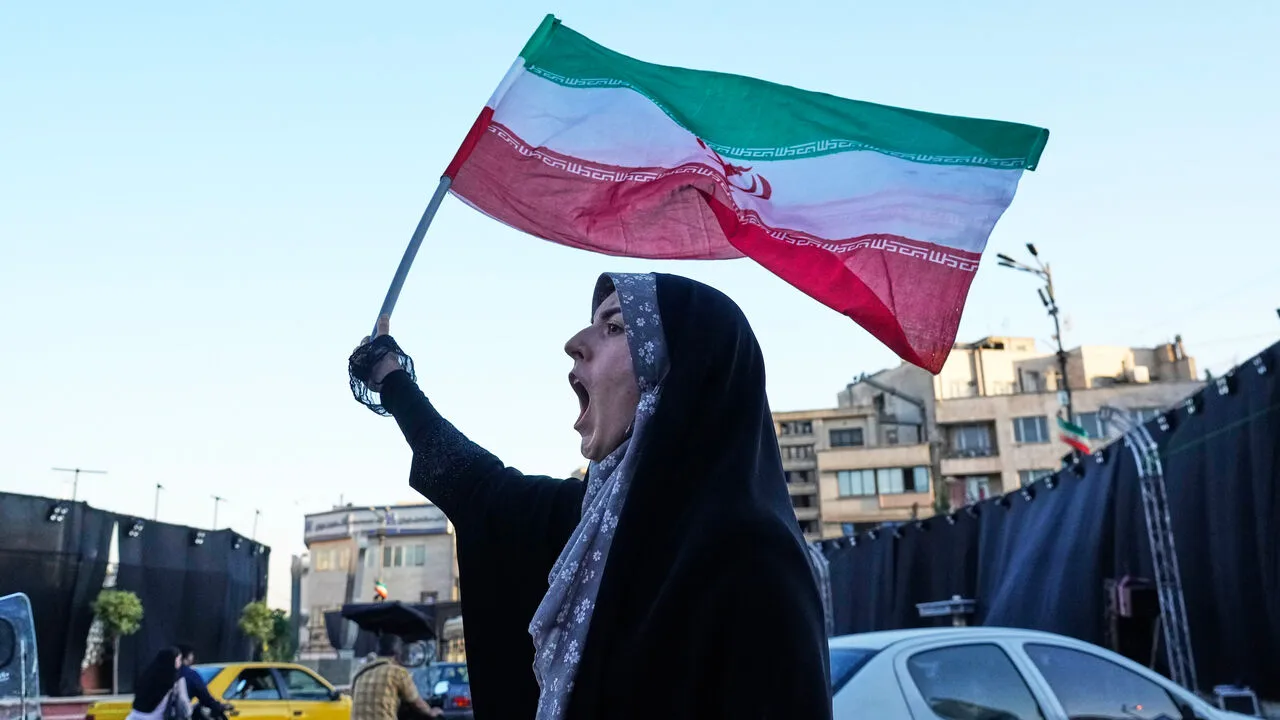
The Diplomatic Rejection: Iran has formally blocked a French-backed initiative aimed at deploying external naval forces to clear sea mines in the strategic Strait of Hormuz. On Monday, June 29, 2026, Iranian Deputy Foreign Minister for Legal and International Affairs Kazem Gharibabadi stated that Tehran will not permit any parallel maritime arrangements or foreign military involvement in the waterway. He emphasized that the current geopolitical situation in the channel remains highly "sensitive and complex."
-
The French-Omani Proposal: The diplomatic row erupted shortly after French President Emmanuel Macron announced via social media that France and Oman had agreed to establish a joint demining coalition. Following high-level bilateral talks in Paris with Oman's Sultan Haitham bin Tariq, Macron outlined a framework to secure vital energy transit lanes and guarantee "free and unconditional" shipping access through the chokepoint, inviting other international partners to join the security effort.
-
The Framework of the Accord: Iranian officials maintain that all navigation management, security protocols, and explosive ordnance disposal (EOD) inside the strait are strictly governed under Article 5 of the recently established Islamabad Memorandum. Tehran asserts its historical and geographic rights as the primary coastal state, rejecting any Western-led attempts to bypass its centralized coordination center.
-
Context of the Maritime Crisis: The Strait of Hormuz—through which roughly one-fifth of the world's petroleum liquids pass—has been a flashpoint for international conflict since a sharp outbreak of regional hostilities began on February 28. While a fragile UN-backed Iran-US memorandum entered into force on June 18 to restore safe commercial transit and roll back active hostilities, the presence of drifting sea mines continues to disrupt global energy markets and provoke friction between Western powers and Iranian naval patrols.
-
Is an Un-sworn Candidate a Senator? ECP Reserves V...
The ECP has reserved its verdict on the suspension of the KP Senate by-election schedule f...
-
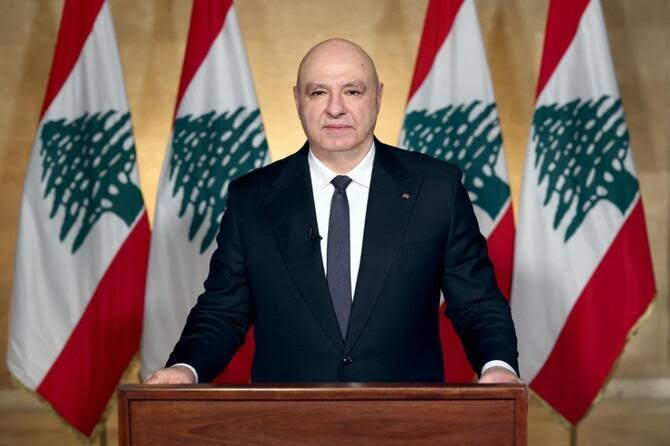
Securing the Sovereignty Shift: President Joseph A...
Lebanese President Joseph Aoun met with Army Chief Rodolphe Haykal to finalize military de...
-
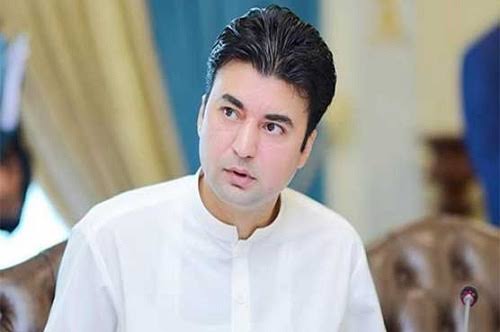
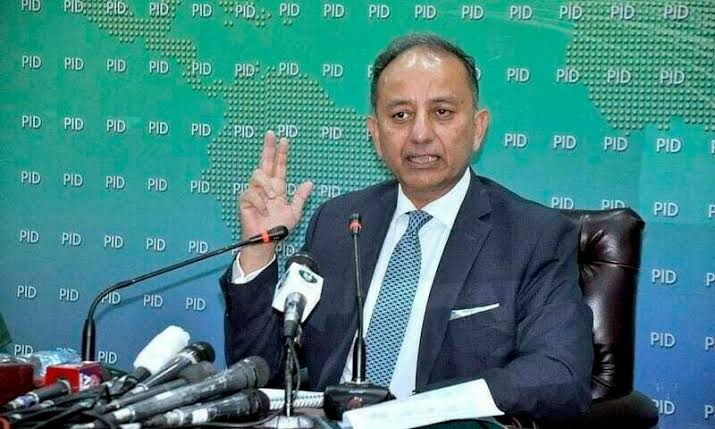
‘Water as a Weapon’: Climate Minister Musadik ...
Federal Minister for Climate Change Musadik Malik has accused India of using river water a...
-
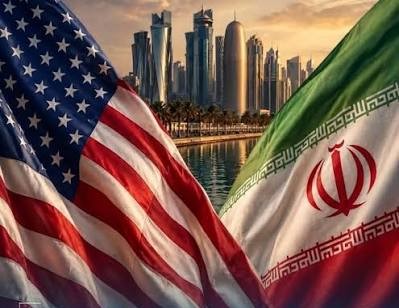
Doha Diplomatic Deadlock: US and Iranian Envoys Ar...
US envoys Jared Kushner and Steve Witkoff have arrived in Doha alongside Iranian technical...
-
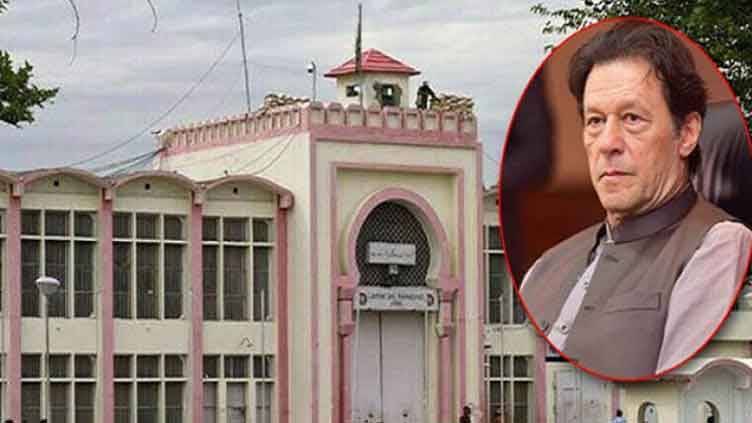
Rawalpindi Prison Break: 14 High-Risk Inmates Blin...
Five Adiala jail officials, including the transport guard in-charge, have been arrested af...