WORLD NEWS
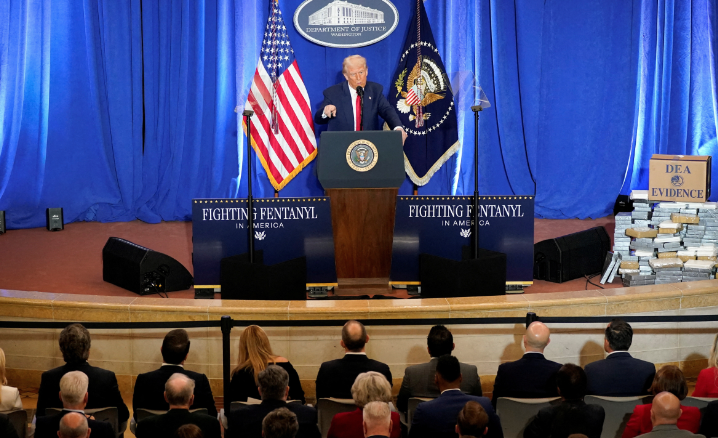
The U.S. Department of Justice’s Criminal Section of the Civil Rights Division, responsible for investigating potential wrongdoing by law enforcement officers, has lost roughly two-thirds of its prosecutors and is reportedly scaling back investigations under new guidance from the Trump administration, according to multiple former staffers and documents reviewed by Reuters.
The unit, which typically reviews nationwide cases of alleged civil rights violations, has seen its number of trial attorneys drop from about 40 before Trump took office to no more than 13, with only two supervisors remaining in their posts. The departures, combined with new directives prioritizing only “egregious” incidents such as deaths in custody or sexual assaults, have significantly curtailed the unit’s ability to pursue investigations, former DOJ lawyers said.
The staffing and policy changes have already affected high-profile cases. Last month, federal immigration agents in Minneapolis fatally shot Renee Good and Alex Pretti. While the DOJ has opened an investigation into Pretti’s death, Good’s case is reportedly not under review, raising concerns among former prosecutors about diminished federal oversight.
“The idea of a system where every vulnerable group is not protected equally by the rule of law is not a system I can be part of from the inside,” said Laura-Kate Bernstein, a former trial attorney who resigned from the section in May.
The DOJ confirmed the unit continues to enforce civil rights statutes, including cases involving hate crimes and sexual assault, but a spokesperson noted that resources require prioritization. The division now reportedly has more than 25 staff, including trial lawyers, attorney advisers, and supervisors, though multiple senior lawyers recently announced their departures, many via early retirement.
Former attorneys highlighted a sharp drop in prosecutions of civil rights violations by law enforcement. The number of people charged under federal excessive force laws fell roughly 36% in 2025, marking the lowest total since 2020. Meanwhile, the unit is pursuing cases such as the prosecution of former CNN anchor Don Lemon and others for allegedly disrupting a church service in Minnesota during an immigration enforcement protest—an example of a shift in focus perceived by some former staff.
Experts warn that the loss of experienced prosecutors and the selective enforcement of civil rights statutes undercuts public accountability for law enforcement misconduct and diminishes trust in federal oversight. “In situations like this, a criminal civil rights investigation is the most well-trodden path to accountability,” said Samantha Trepel, a former top DOJ official now at States United Democracy Center.
The departures and policy shifts come amid broader debate over the Trump administration’s approach to civil rights enforcement, particularly regarding investigations of perceived allies versus political opponents, and have left some attorneys questioning the unit’s ability to uphold its mission to protect vulnerable populations.
-
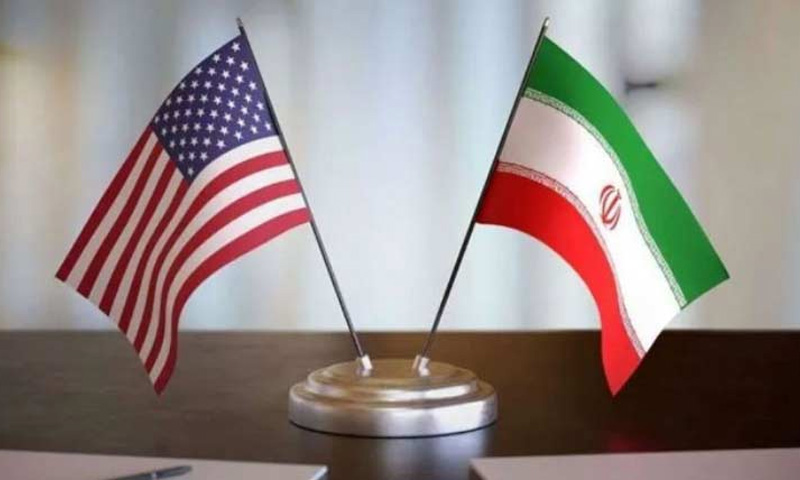
US Rejects Iran’s Request to Change Venue for Nu...
US refuses Iran’s demand to shift nuclear talks from Turkey to Oman, warning: talks will...
-
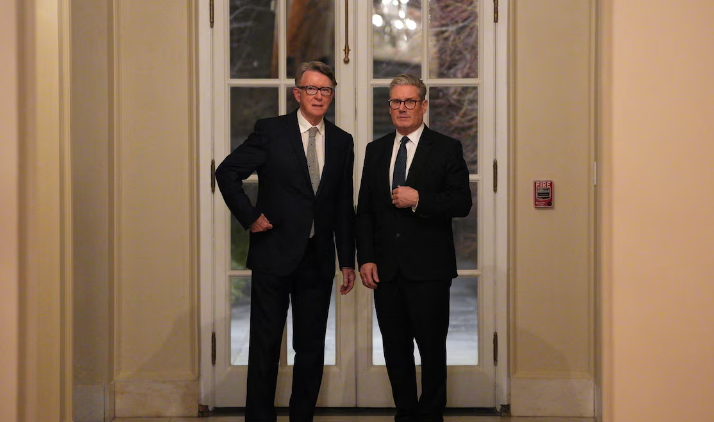
Starmer Condemns Mandelson, Apologizes Amid Fallou...
UK PM Keir Starmer apologizes for appointing Peter Mandelson as envoy to Washington, calli...
-
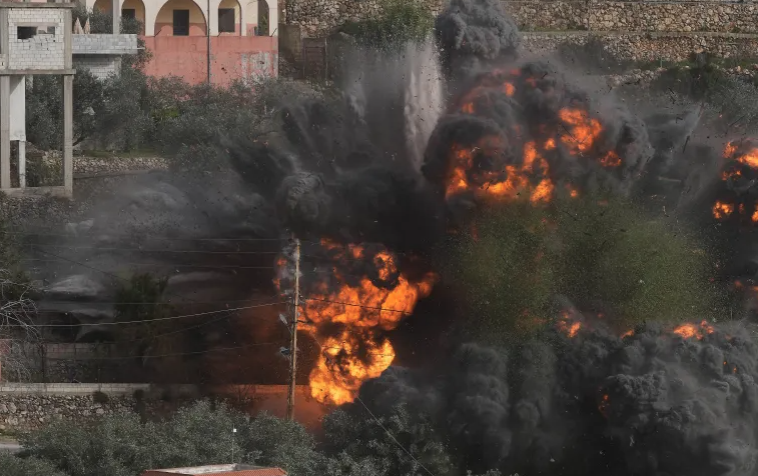
NRC Reports Surge in Israeli Air Attacks on Lebano...
Israel carried out at least 50 airstrikes in Lebanon in January, NRC says—double the pre...
-
US and Iran to Hold Nuclear-Focused Talks in Oman ...
The US and Iran will hold nuclear-focused talks in Oman after Tehran requested a bilateral...

-
Ukrainian and Russian Delegations Begin Second Rou...
Ukrainian and Russian delegations start a second round of US-brokered talks in Abu Dhabi, ...