LEGAL
‘Eyewitness and Chemical Evidence Ignored’: Sindh Government Challenges Supreme Court’s Acquittal Verdict in Baldia Factory Fire Case
Detailed Report
-
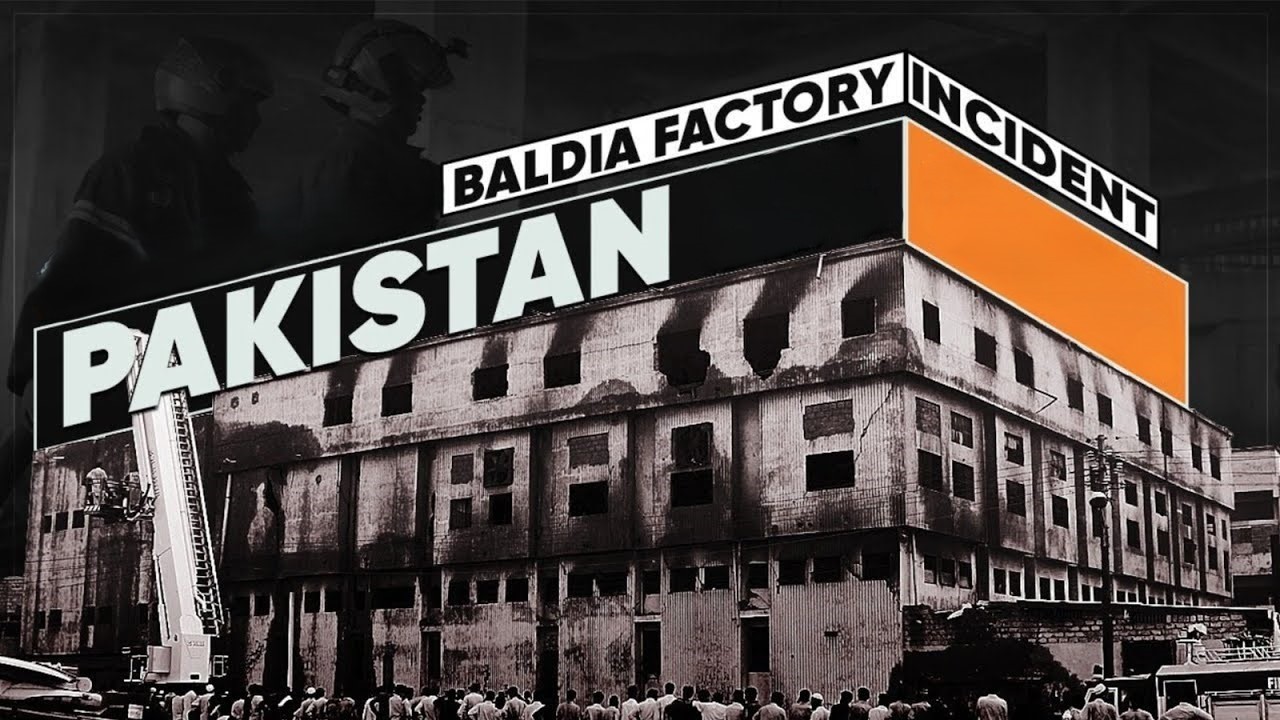
The Legal Challenge: The Government of Sindh has formally filed a review petition in the Supreme Court’s Karachi Registry, challenging the apex court's recent high-profile acquittal and release order of the primary accused in the devastating 2012 Baldia Town factory fire case. Submitted by Sindh Prosecutor General Shabbir Shah on Wednesday, July 1, 2026, the petition requests a complete judicial reconsideration of the June 10 verdict. The provincial government strongly argues that the top court's judgment "suffers from the defect of ignoring eyewitness, medical, and other critical evidence" that was previously verified by lower judicial forums.
- Grounds of the Appeal: In the review petition, the state raises fundamental legal questions regarding the application of Article 188 of the Constitution, questioning if it applies to a judgment deemed "contrary to the facts and the law". The appeal highlights that the apex court overlooked foundational evidence provided by injured witnesses and chemical experts who explicitly detailed how highly inflammable chemicals were intentionally used to ignite the fast-spreading blaze. Furthermore, the Sindh government raised formal objections to how Articles 4 and 17 of the Qanun-e-Shahadat Order, 1984 (law of evidence) were applied, alongside questioning whether legal heirs of the victims hold the standing to challenge acquittals under the Anti-Terrorism Act (ATA).
- Historical Weight of the Case: The Baldia Town factory fire, which occurred on September 11, 2012, inside the multi-storey building of the Ali Enterprises garment factory, remains the deadliest industrial disaster in Pakistan's history. More than 260 factory workers were burnt alive or suffocated after being trapped inside due to locked emergency exits and barred windows. While early reports pointed to an electrical short circuit, subsequent Joint Investigation Team (JIT) and forensic reports concluded the facility was deliberately torched following an extortion dispute. In its original 46-page verdict, the SHC had affirmed that forensics proved arson and that witness statements positioned both MQM workers at the scene when the fire broke out.
-
Kahna Tragedy Fallout: Lahore Education Authority ...
Following the tragic roof collapse in Kahna that killed 14 children, the Lahore Education ...

-
Lahore Roof Collapse: Police File Manslaughter Cha...
Lahore police have booked a construction worker and the owners of a private tuition centre...

-
ATC Sentences Islamabad DIG to Prison for Contempt...
An Anti-Terrorism Court in Islamabad has sentenced DIG Muhammad Jawad Tariq to one month i...
-
Supreme Court Commutes Death Penalty to Life Impri...
The Supreme Court has commuted the death sentence of a housing colony school sweeper convi...
-
Kuwait Warns Expatriates of Deportation in New Hig...
Kuwait has intensified its highway safety crackdown, warning expatriates that serious spee...
.jpg)