POLITICS & POLICY MAKING
.jpg)
Detailed Report
-
Text Finalized for Imminent Signing: Moving rapidly toward a formal end to the three-month-old Gulf war, a senior U.S. administration official confirmed on Friday, June 12, 2026, that the United States and Iran have successfully agreed on a consensus text for a tentative peace agreement. An initial Memorandum of Understanding (MOU) is expected to be executed in the coming days—potentially as early as Sunday, June 14—with Geneva, Switzerland, emerging as the most probable venue for a remote or physical sign-off by U.S. Vice President JD Vance and Iranian Parliament Speaker Mohammad Baqer Qalibaf.
-
Tehran Declares Victory Amid Caution: Celebrating the diplomatic terms on state television, Iranian Foreign Minister Abbas Araqchi boldly declared that Iran had emerged as the definitive "winner of the war with the U.S." However, Araqchi tempered his triumphalism by noting that structural modifications to the text are still possible before the final pens hit the paper. Despite the looming peace pact, tactical friction remains severe on the water; hours after the announcement, U.S. forces shot down multiple Iranian one-way attack drones over the Strait of Hormuz, while Iranian forces fired warning shots at commercial vessels transiting the port of Sirik and Qeshm Island without Revolutionary Guard (IRGC) clearance.
Inside the De-escalation Roadmap: Sources across Western, Pakistani, and Iranian diplomatic delegations outlined a multi-stage execution framework:
Phase 1 (The Immediate Swap): Iran will officially reopen the Strait of Hormuz to global shipping lines, while the United States will simultaneously lift its naval blockade on Iranian ports and begin releasing tens of billions of dollars in frozen Iranian foreign assets.
Phase 2 (The 60-Day Nuclear Window): Negotiations regarding Iran's nuclear program—President Trump's stated core objective for initiating the war in February—will be deferred to a specialized 60-day diplomatic window following the ceasefire.
The Enrichment Impasse: White House officials insist the ultimate endstate requires the complete destruction and removal of Iran’s highly enriched uranium stockpile under a rigid inspection regime. Conversely, Araqchi publicly rejected total dismantling, stating Tehran will only accept "down-blending" and diluting the material to retain it within Iranian borders.
-
Sovereignty Lines and War Reparations: Strategic control over the world's most vital energy transit chokepoint remains a lingering point of rhetorical contention. Foreign Minister Araqchi asserted that Iran, alongside Oman, will retain absolute maritime regulatory control over traffic transiting the Strait of Hormuz, warning that Tehran's "sword will always hang over" the waterway. Furthermore, leaked details from the draft suggest discussions may include potential war reparations paid to Tehran and the dropping of longstanding U.S. demands regarding ballistic missile limitations—claims that senior Washington officials have vigorously disputed as inaccurate, labeling the framework a strictly "performance-based deal."
-
Israel Rejects Terms Amid Market Relief: The impending U.S.-led diplomatic pivot has driven a massive wedge between Washington and its primary regional ally. Israeli Prime Minister Benjamin Netanyahu confirmed that Israel was completely excluded from the secret negotiations and will categorically refuse to be a party to the memorandum. Netanyahu has clashed openly with Trump over American demands to curb Israeli military action against Hezbollah in Lebanon to facilitate the deal. While Araqchi implied the accord would force an Israeli withdrawal from Lebanon, Israel's Defense Ministry firmly rejected any pullback. Meanwhile, global financial markets reacted with immense relief, with stock indices surging and Brent crude prices plunging over 3% to a two-month low, easing domestic political pressure on the White House ahead of the November 2026 midterm elections.
-
Tehran Rejects Definitively Signed Accord; Disclos...
The Iranian Foreign Ministry has downplayed claims of a finalized peace deal with the U.S....
.jpg)
-
Dhaka Confronts New Delhi on Unlawful Deportations...
Top border officials from India and Bangladesh concluded a four-day summit in New Delhi on...
-
Trump Signals Imminent Weekend Peace Pact to End I...
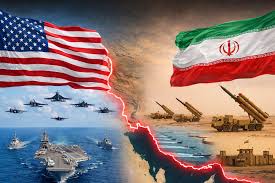
Hopes for an end to the U.S.-Iran war grew on Friday after President Trump announced a con...
-
Pakistan, Turkiye Demand Immediate Regional Restra...
Deputy PM and Foreign Minister Ishaq Dar held an emergency phone call with Turkish Foreign...
-
We Will Decide Whether to Stay in Parliament': PTI...
PTI lawmakers staged a walkout from the National Assembly today, with Chairman Barrister G...
.jpg)