WORLD NEWS
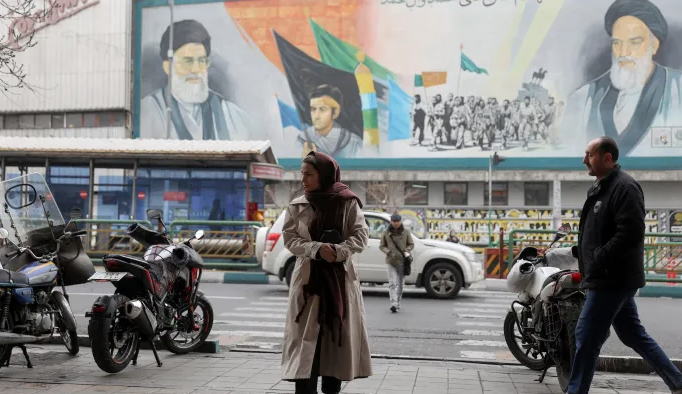
Iranian authorities have arrested four prominent reformist figures, including politicians and activists, accusing them of attempting to disrupt the country’s political and social order and working for the “benefit” of Israel and the United States” during nationwide antigovernment protests last month.
Those arrested include Azar Mansouri, head of Iran’s Reformists Front; Mohsen Aminzadeh, a former diplomat; Ebrahim Asgharzadeh, a former parliamentarian; and Javad Emam, a Reformists Front spokesman. The arrests were carried out late Sunday and early Monday, and summons have been issued to other senior members of the Front.
Iran’s judiciary alleged the group organized activities that sought to destabilize the country amid military threats from Israel and the US, claiming they “justified the actions of terrorist foot soldiers on the streets.”
The arrests come against the backdrop of widespread protests in January over a worsening economic crisis, which rapidly escalated into a nationwide antigovernment movement. Iranian authorities have reported 3,117 deaths during the unrest, though human rights groups and the UN estimate much higher fatalities, with some sources claiming over 20,000 killed. Tens of thousands have also been arrested since the protests began.
Former Reformist Front leader Mir Hossein Mousavi, under house arrest since 2009, issued a statement last month calling for a democratic transition and a constitutional referendum. Analysts say the arrests signal Tehran’s determination to shut down political dissent.
“These are people calling for more political liberalization, some even for the end of the Islamic Republic,” said Sina Azodi, director of the Middle East Studies program at George Washington University. “The government is clearly sending a message that dissent will not be tolerated.”
The crackdown occurs amid rising tensions with Washington. Following the protests, US President Donald Trump warned of further action if Iran used force against protesters. The situation also coincides with ongoing US-Iran nuclear talks in Oman, where indirect negotiations aim to curb Tehran’s nuclear program.
Phyllis Bennis, a policy analyst in Washington, DC, told Al Jazeera that while the arrests are unlikely to directly affect the nuclear negotiations, they do highlight Tehran’s domestic clampdown. Israeli Prime Minister Benjamin Netanyahu, expected to visit Washington soon, is likely to push the US to demand Iran halt uranium enrichment, stop missile development, and end support for regional allies—a position somewhat at odds with Washington’s historically more measured approach.
The arrests underscore the Iranian government’s strategy of combining internal crackdowns with external diplomacy, signaling both control over domestic dissent and firmness in international negotiations.
-
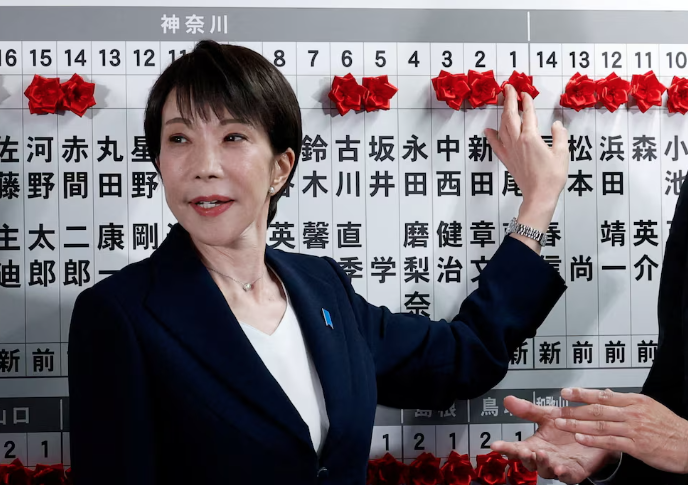
Japan PM Takaichi Vows to Cut Food Tax After Lands...
Japanese PM Sanae Takaichi promises a two-year suspension of the 8% food tax after her LDP...
-
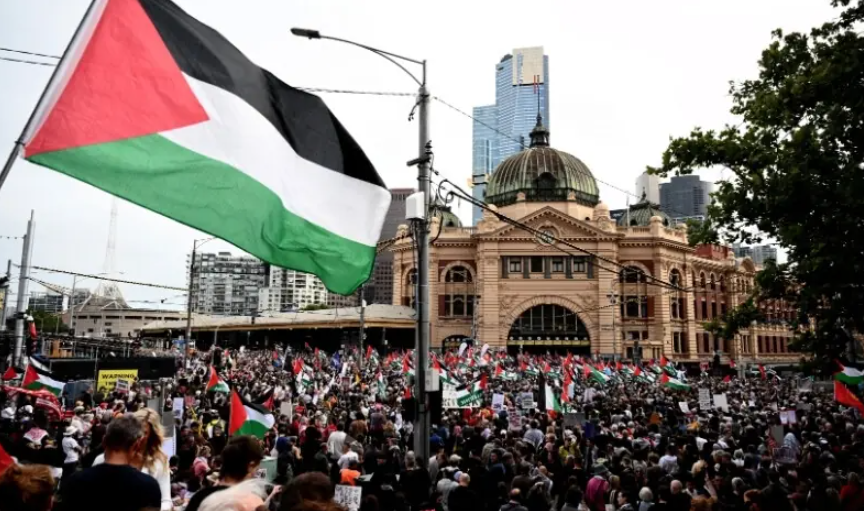
Protests Erupt Across Australia During Israeli Pre...
Thousands protest in Australian cities against Israeli President Herzog’s visit, denounc...
-
Keir Starmer Faces Political Turmoil as Key Aides ...
Keir Starmer’s communications chief Tim Allan resigns, following the departure of top ai...
-
Netanyahu to Meet Trump as US-Iran Nuclear Talks C...
Israeli PM Netanyahu will meet Trump in the US amid ongoing US-Iran nuclear negotiations. ...
-
Drone Attack by RSF Kills 24, Including Children, ...
At least 24 killed, including 8 children, in RSF drone strike on displaced families near R...