WORLD NEWS
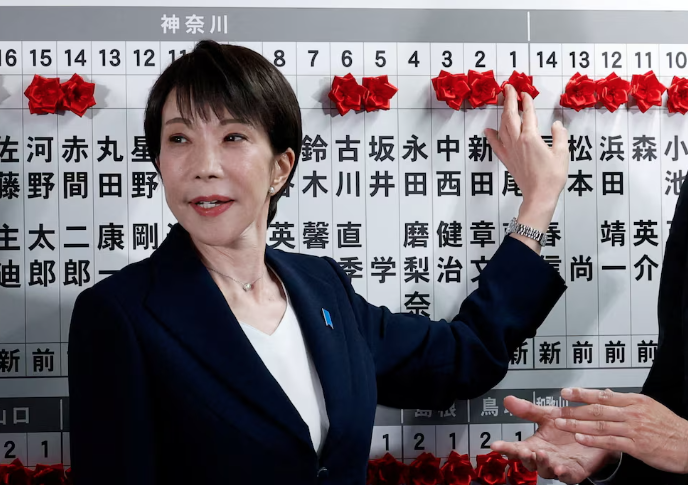
Japanese Prime Minister Sanae Takaichi renewed her pledge to suspend the 8% sales tax on food for two years following a historic election victory that strengthened her mandate for fiscal stimulus. Takaichi described the tax suspension as a “long‑cherished dream” and promised to implement it at the earliest possible date, while ruling out new debt issuance to fund the move.
Her Liberal Democratic Party (LDP) secured a strong majority in Sunday’s parliamentary elections, paving the way for proactive fiscal policies aimed at easing household living costs. Markets reacted positively, with Japanese stocks hitting record highs and the yen stabilizing after early volatility.
Takaichi said cross-party discussions would help determine the timetable and funding options for the tax suspension. The government is considering alternatives such as non-tax revenues and cuts to existing subsidies to offset the projected annual cost of 5 trillion yen ($32 billion) — equivalent to Japan’s annual education budget.
While her strong electoral mandate may sideline opposition from fiscal conservatives within the LDP, analysts warn that funding uncertainty could unsettle markets. Tapping Japan’s $1.4 trillion foreign exchange reserves or raising government debt could fuel yen weakness, increase import prices, and dilute the intended benefits for households.
“Past fiscal policy has been too tight, and it’s clear the premier favors overhauling it,” said Ryutaro Kono, chief Japan economist at BNP Paribas. However, Shinichi Ichikawa, senior fellow at Pictet Asset Management Japan, cautioned: “If concern over worsening finances causes unintended yen falls, higher food import costs may hurt her popularity.”
Takaichi also emphasized the need for long-term budget planning to promote corporate investment in growth sectors, signaling a broader shift in Japan’s fiscal approach beyond the immediate tax suspension.
-
Protests Erupt Across Australia During Israeli Pre...
Thousands protest in Australian cities against Israeli President Herzog’s visit, denounc...

-
Keir Starmer Faces Political Turmoil as Key Aides ...
Keir Starmer’s communications chief Tim Allan resigns, following the departure of top ai...
-
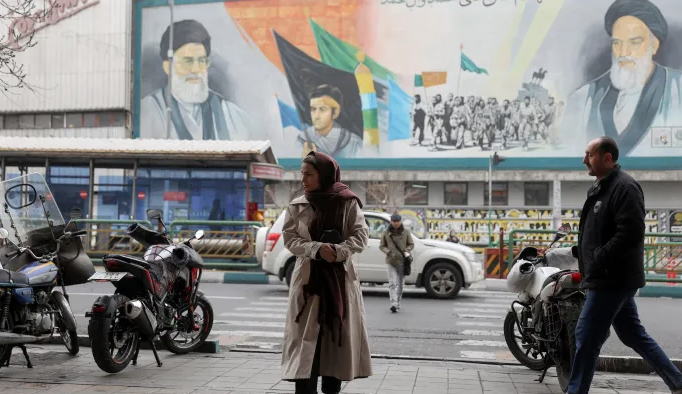
Iran Arrests Reformist Figures Amid Protests and U...
Iranian authorities arrest four prominent reformists over alleged links to Israel and the ...
-
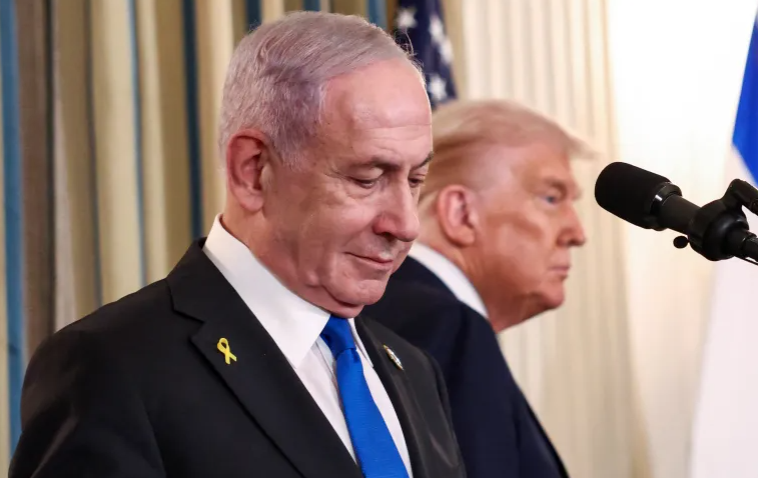
Netanyahu to Meet Trump as US-Iran Nuclear Talks C...
Israeli PM Netanyahu will meet Trump in the US amid ongoing US-Iran nuclear negotiations. ...
-
Drone Attack by RSF Kills 24, Including Children, ...
At least 24 killed, including 8 children, in RSF drone strike on displaced families near R...