WORLD NEWS
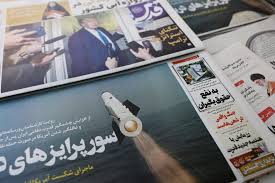
Iran is reportedly in the final stages of negotiations with China to acquire advanced CM‑302 supersonic anti-ship cruise missiles, according to multiple sources familiar with the talks. The potential deal comes amid escalating tensions with the United States, which has deployed a significant naval force near the Iranian coast in preparation for possible military action.
The CM‑302 missiles, capable of striking targets up to 290 kilometres away while flying at supersonic speeds to evade shipborne defenses, would represent a substantial enhancement to Iran’s naval strike capabilities, according to weapons experts. “It’s a complete gamechanger if Iran has supersonic capability to attack ships in the area,” said Danny Citrinowicz, a former Israeli intelligence officer and senior researcher on Iran.
Negotiations between Iran and China reportedly began over two years ago and accelerated following the 12‑day Israel-Iran conflict last June. Senior Iranian officials, including Deputy Defence Minister Massoud Oraei, visited China as the talks entered their final stages last summer.
While Reuters could not confirm the number of missiles involved, pricing, or a delivery timeline, the acquisition would be among the most advanced weapons systems China has provided to Iran. The deal would also challenge United Nations arms restrictions first imposed in 2006, though temporarily suspended as part of the 2015 nuclear agreement.
Regional Implications and U.S. Response
The potential sale underscores deepening military ties between China and Iran at a time of heightened regional tension. China, Iran, and Russia conduct annual joint naval exercises, signaling a strategic alignment against U.S. influence in the Middle East. A U.S. administration official told Reuters that President Donald Trump had warned Iran of severe consequences if a nuclear deal was not reached, highlighting the possibility of sustained military operations.
The U.S. has already mobilized multiple aircraft carriers, including the USS Abraham Lincoln and USS Gerald R. Ford, along with their strike groups, capable of carrying over 5,000 personnel and 150 aircraft combined. Analysts warn that CM‑302 missiles would pose a serious threat to these forces, potentially complicating U.S. operational planning in the region.
China’s Position and Strategic Interests
China has publicly denied awareness of the reported missile talks, with its Ministry of Foreign Affairs stating it was not aware of such negotiations, and the Defence Ministry offering no comment. Analysts note that China’s support for Iran serves to safeguard its regional interests and assert its influence in an area historically dominated by U.S. military power.
“Their goal is to prevent a pro-Western regime in Iran, which could threaten China’s strategic and economic interests,” said Citrinowicz.
Future Weapons Acquisitions
Beyond the CM‑302, Iran is reportedly exploring acquisitions of Chinese surface-to-air missile systems, anti-ballistic weapons, and even anti-satellite capabilities. Chinese state-owned China Aerospace Science and Industry Corporation (CASIC) markets the CM‑302 as one of the world’s most capable anti-ship missiles, able to strike aircraft carriers, destroyers, and land targets from sea, air, or mobile platforms.
According to analysts, the deal would significantly bolster Iran’s depleted arsenal following last year’s regional conflicts, further complicating U.S. efforts to contain Iran’s missile and nuclear programs.
-
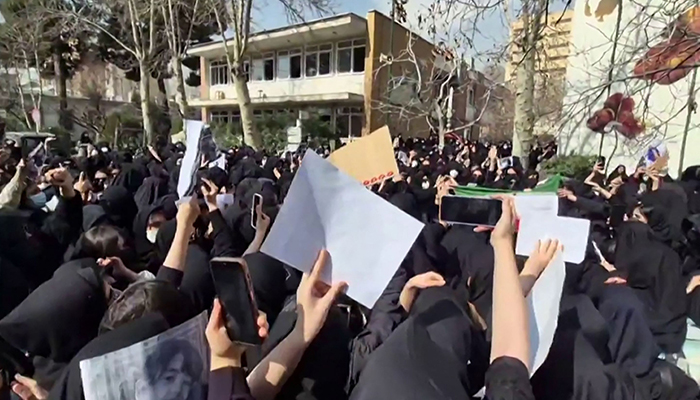
Iran Warns Protesters, Emphasizes ‘Red Lines’ ...
Iranian government warns students protesting at universities that while protests are a rig...
-
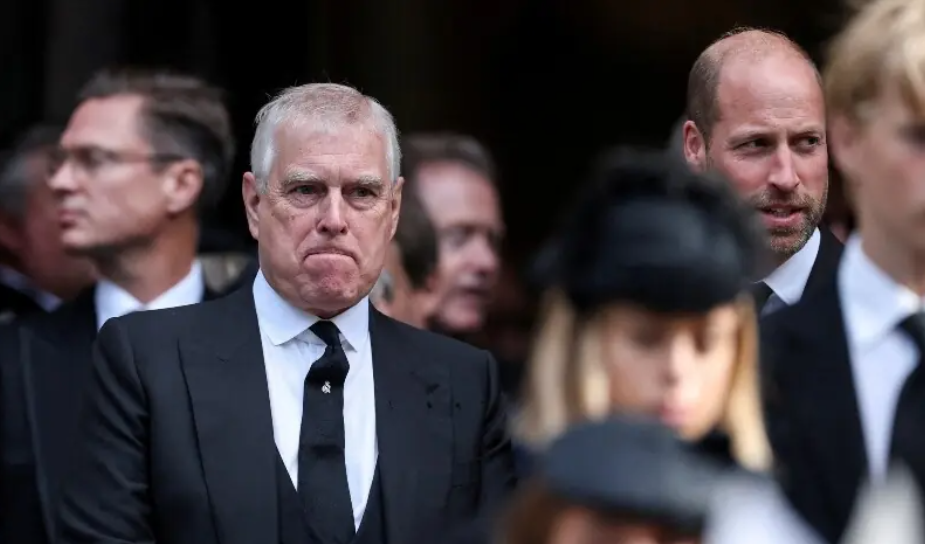
UK Government Supports Release of Prince Andrew’...
The UK government backs the release of documents on Prince Andrew’s role as trade envoy,...
-
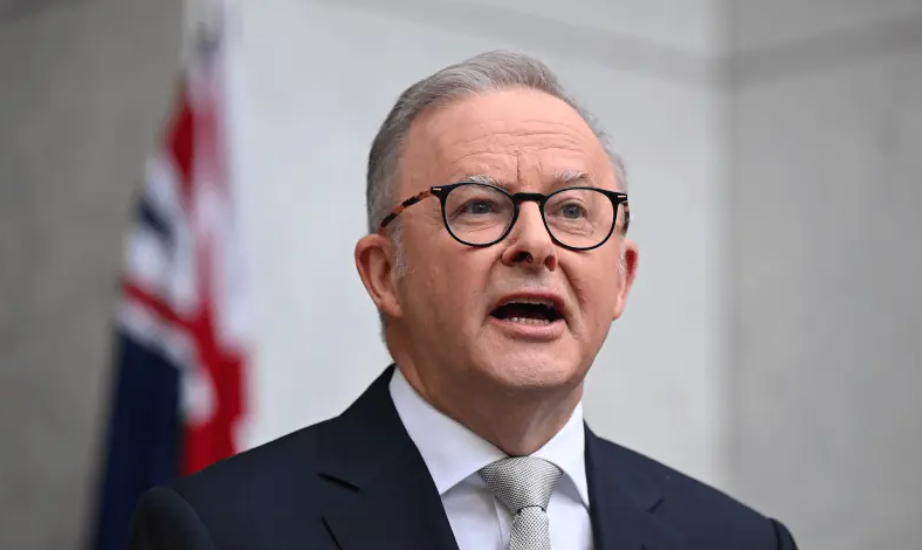
Australian PM Anthony Albanese Evacuated Over Secu...
Australian Prime Minister Anthony Albanese evacuated from The Lodge in Canberra following ...
-
Senate of Pakistan Condemns Netanyahu’s Anti-Mus...
Pakistani Senate condemns Israeli PM Benjamin Netanyahu for plans to form alliances agains...
-
Leaked Epstein Files Reference Trump, First Lady, ...
Leaked Jeffrey Epstein files reveal references to President Trump, Melania Trump, and over...