WORLD NEWS
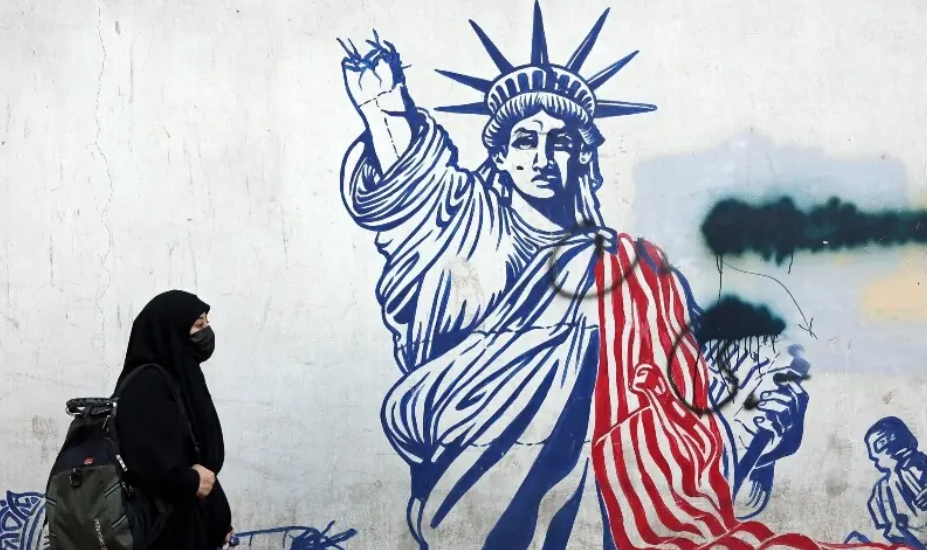
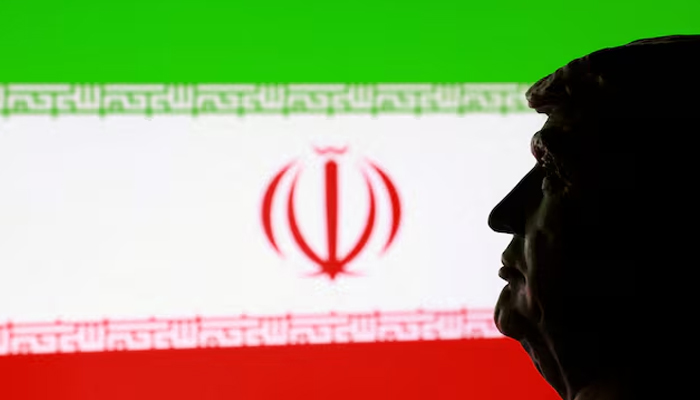
Iran on Friday stated that the United States must temper “excessive demands” to reach a nuclear deal, following Oman-mediated talks seen as a last-ditch effort to prevent conflict in the region.
The talks in Geneva, which concluded on Thursday, addressed Iran’s nuclear programme and sanctions relief. Abbas Araghchi described the session as “the most intense so far” and said progress was made on elements essential to any agreement. Technical discussions at the UN nuclear agency are scheduled to begin in Vienna on Monday. Badr Albusaidi confirmed the Vienna talks will focus on detailed steps toward sanctions termination and nuclear-related measures.
The negotiations come amid heightened US-Iran tensions. US President Donald Trump has threatened military action and demands Iran curb its missile programme and support for armed groups, in addition to its nuclear restrictions. Trump’s team reportedly wants Iran to dismantle its three main nuclear sites and hand over all remaining enriched uranium.
Araghchi told his Egyptian counterpart that success requires “seriousness and realism from the other side” and warned against miscalculations. He insisted the talks should focus solely on Iran’s nuclear programme, while the US has pushed to include ballistic missiles and regional activities.
Meanwhile, US military presence in the Middle East has surged, with more than a dozen warships, including the USS Gerald R. Ford and USS Abraham Lincoln aircraft carriers, deployed in the region. Tehran states its missiles have a maximum range of 2,000 km, while US estimates put it at 3,000 km, far below the continental United States.
Iranian President Masoud Pezeshkian has reiterated that Tehran does not seek nuclear weapons, and the foreign ministry called US claims of a sinister nuclear programme “big lies.”
Past negotiations collapsed after Israeli strikes on Iranian nuclear sites last June, and domestic unrest continues in Iran following a crackdown on nationwide protests.
The upcoming Vienna talks are being closely watched as a potential path to ease one of the world’s most volatile geopolitical tensions.
-
Green Party Upsets Labour, Wins Historic By-Electi...
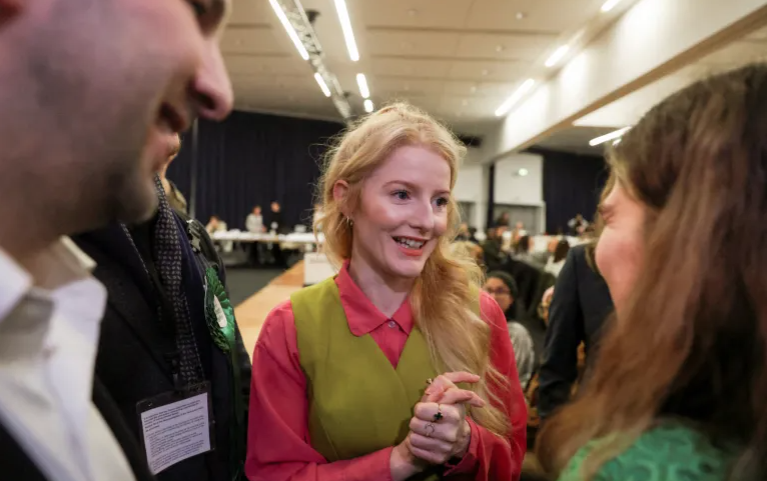
Historic upset in Gorton & Denton: Green Party’s Hannah Spencer wins, Labour crushed in ...
-
Afghanistan, Qatar Discuss Reducing Tensions with ...
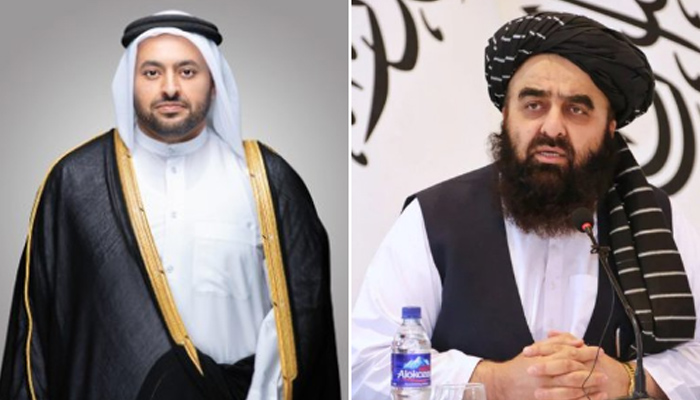
Afghanistan and Qatar hold talks to ease tensions with Pakistan. Qatar reaffirms support f...
-
OpenAI Raises $110B Funding, Valued at $840B Ahead...
OpenAI raises $110B in massive funding round, valuing the AI startup at $840B. Investments...

-
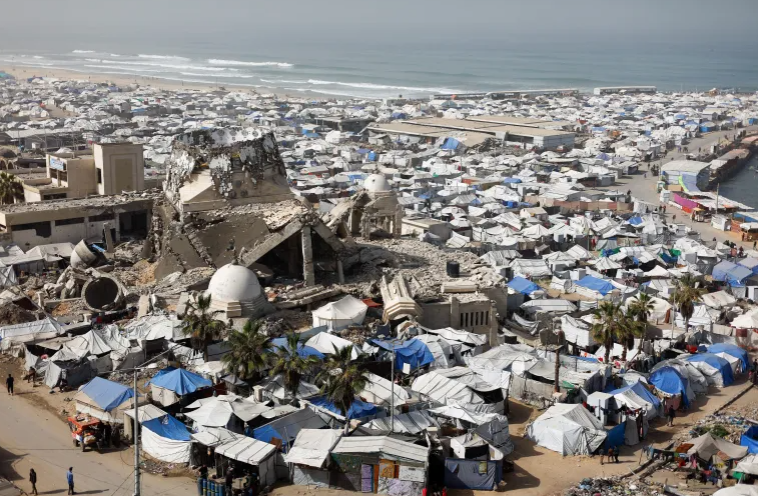
Six Palestinians Killed in Israeli Drone Strikes A...
Six Palestinians killed in Israeli drone strikes in Gaza amid ongoing humanitarian crisis....
-
US Imposes New Sanctions on Iran Ahead of Expected...
The US announces fresh sanctions targeting 30+ individuals, entities, and vessels linked t...