TRADE & ECONOMY
Detailed Report
-
The Geopolitical Energy Opportunity: Speaking during an exclusive interview on ARY News’ flagship morning show Bakhabar Savera on Wednesday, June 17, 2026, Finance Ministry Advisor Khurram Shahzad declared that Pakistan stands as the ultimate strategic beneficiary of the imminent relaxation of international sanctions on Iran. Shahzad noted that reintegrating Tehran into the global energy matrix will structurally overhaul regional supply lines, unlocking unprecedented, cost-effective cross-border trade routes and energy cooperation matrices that will insulate Pakistan from Western hemisphere supply shocks over the coming years.
-
Massive Relief at the Domestic Fuel Pumps: Addressing critical queries regarding whether the cash-strapped government is passing fiscal relief down to the public, Shahzad revealed a dramatic downward trend in domestic petroleum pricing. Capitalizing on a sharp downturn in global crude baselines, the federal government has executed an aggressive series of successive price slashes over the past 21 days. The phased rollbacks include an initial massive cut of Rs22 per litre, a subsequent drop of Rs10 to Rs12 per litre, and a fresh reduction of Rs4 per litre for both petrol and diesel.
The Infrastructure and Logistics Disconnect: The Advisor added a technical caveat regarding local pricing mechanics, explaining that domestic refined fuel adjustments do not always mirror raw crude oil index movements on a 1:1 ratio. Pakistan's ultimate pump rates are governed by strict localized supply-chain variables and heavy infrastructure dependencies. Most notably, a vast majority of the state’s current energy imports transit directly through the volatile Strait of Hormuz bottleneck, meaning any maritime disruptions or regional security escalations immediately delay global price drops from fully trickling down to Pakistani consumers.
Pakistan Energy Import & Fuel Pricing Matrix (June 17, 2026)
| Energy Metric & Variable | Real-Time Status & Policy Realities | Macroeconomic Impact Details |
| Iran Market Integration | Sanctions easing expected to trigger direct regional trade corridors. | Positions Pakistan as the primary economic beneficiary in South Asia. |
| Cumulative Fuel Cuts | Combined reduction of approx. Rs34–Rs38 per litre executed. | Implemented via consecutive, rapid-succession weekly price adjusters. |
| Choke-Point Dependency | Extreme operational reliance on the Strait of Hormuz shipping lane. | Exposes consumer pricing to regional maritime infrastructure risks. |
| Refinement Price Disparity | Domestic prices pegged to processed product indexes, not raw crude. | Explains why pump relief registers gradually rather than instantaneously. |
-
Karachi Bus Owners Declare Indefinite Strike Start...
The Karachi Bus Owners Association has announced an indefinite public transport strike sta...
-
IMF Rejects Tax Relief on Student Stationery While...
The IMF has rejected Pakistan's proposal to exempt children's pencils and exercise books f...
-
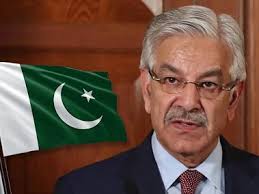
‘Out of the ICU’: Khawaja Asif Declares Pakist...
Defense Minister Khawaja Asif declared in the National Assembly that Pakistan's economy ha...
-
No New Taxes: Chief Minister Maryam Nawaz Approves...
Punjab Chief Minister Maryam Nawaz Sharif has chaired the 35th provincial cabinet meeting ...
.jpg)
-
U.S.-Iran Peace Pact Offers Fiscal Upside to Pakis...
Finance Minister Muhammad Aurangzeb has stated that while the newly signed U.S.-Iran peace...