POLITICS & POLICY MAKING
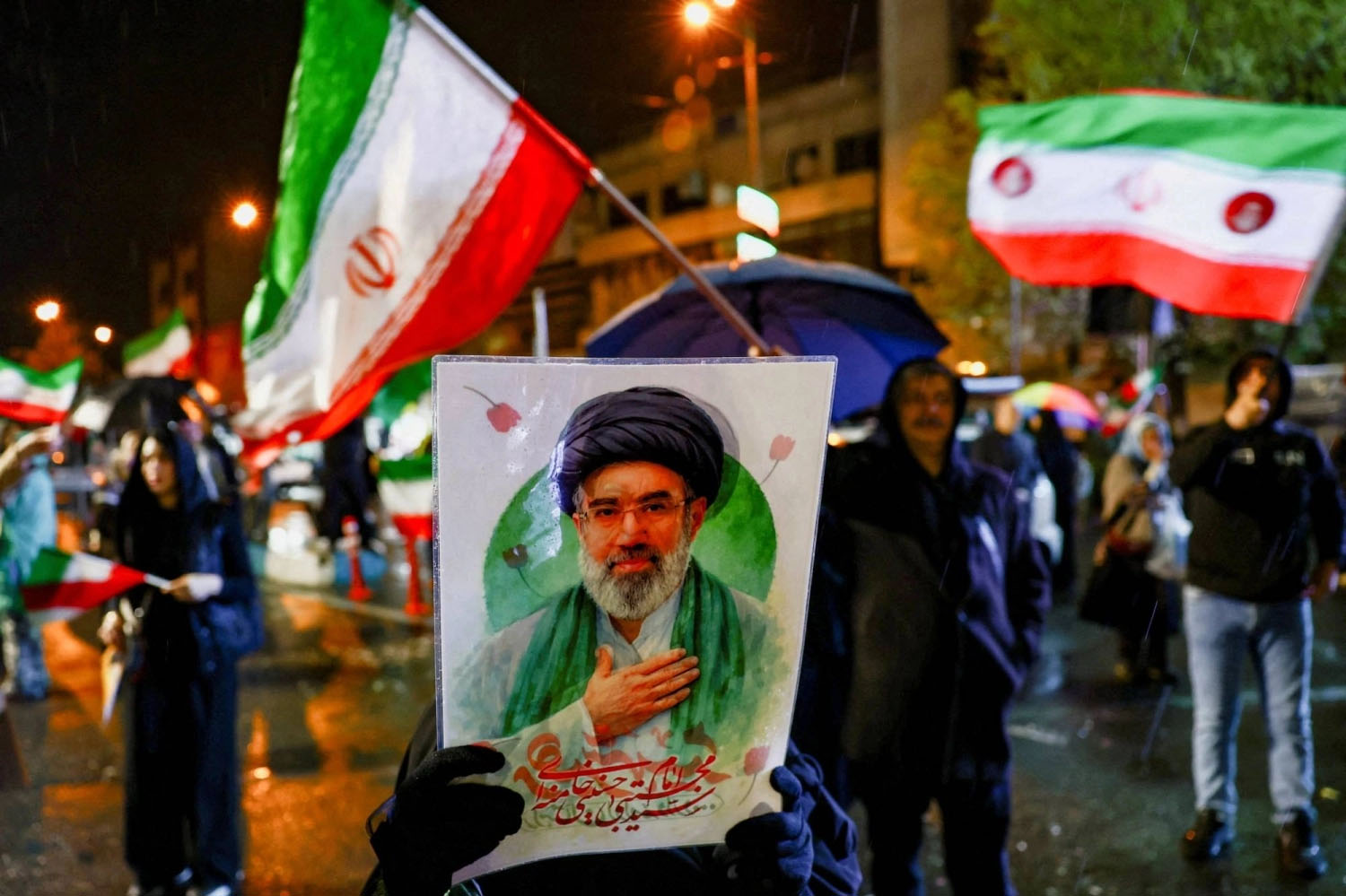
A recent analysis indicates a major shift in Iran’s internal power structure as the Islamic Revolutionary Guard Corps (IRGC) has taken on a more dominant role in wartime decision-making. This development reportedly comes at a time when the country is facing intense external pressure and ongoing conflict with the United States and its allies.
According to the report, Iran’s traditional governance system—long centered around a strong clerical leadership—has experienced changes due to wartime conditions and the loss or weakening of senior political figures. In this evolving situation, the IRGC has increasingly become the central authority handling military strategy, security operations, and certain diplomatic channels.
The shift appears to have reduced the day-to-day operational influence of the Supreme Leadership structure, turning it more into a symbolic or legitimizing authority rather than the main decision-making body. Key military commanders are now believed to be playing a direct role in shaping national strategy, especially regarding defense posture and regional security decisions.
The report also highlights that Iran’s internal system is now functioning in a more security-driven framework, where military institutions hold significant power over political processes during wartime. Analysts suggest this could harden Tehran’s position in any future negotiations, as decisions are now more influenced by defense priorities rather than traditional diplomatic channels.
At the same time, the situation has raised questions about long-term governance stability, institutional balance, and how power will be shared once the conflict phase stabilizes. Observers believe that the current structure reflects a wartime adaptation rather than a permanent constitutional change, but its long-term impact could reshape Iran’s political system.
Overall, the development signals a significant transformation in Iran’s power dynamics, where military leadership—particularly the IRGC—has become a central force in guiding national decisions during a period of heightened regional tension and conflict.
-
Interpol Issues Red Notices for Property Tycoon Ma...
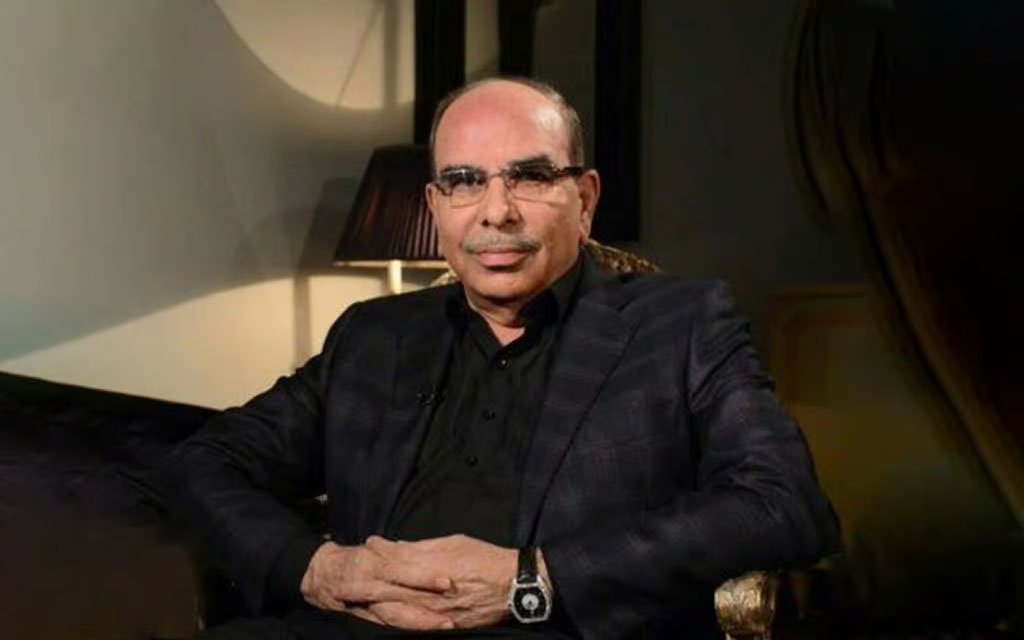
International policing body Interpol has reportedly issued red notices against property ma...
-
Sindh Declares Public Holiday on May 1 for Labour ...
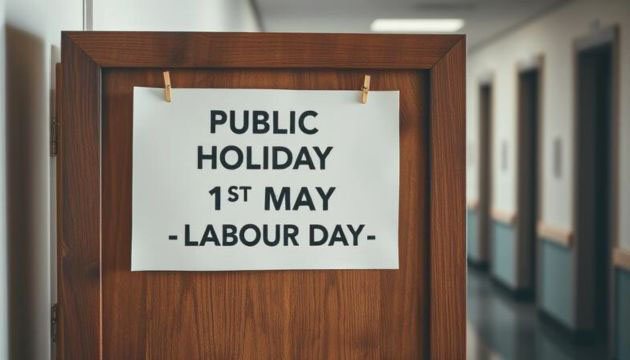
The Sindh government has announced a province-wide public holiday on May 1 to mark Interna...
-
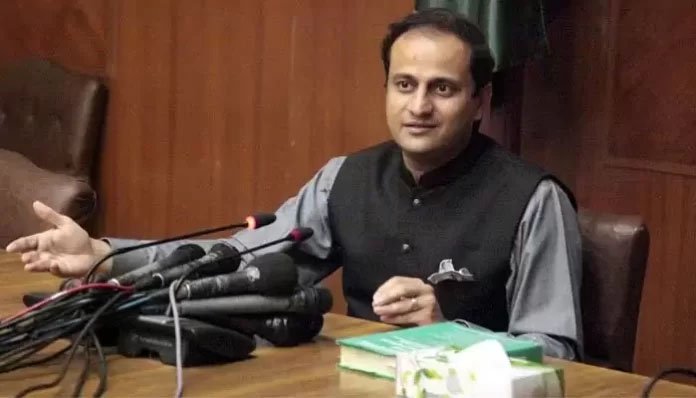
Karachi Mayor Says Comparing Karachi and Lahore Go...
Karachi Mayor Murtaza Wahab has stated that comparing governance between Karachi and Lahor...
-
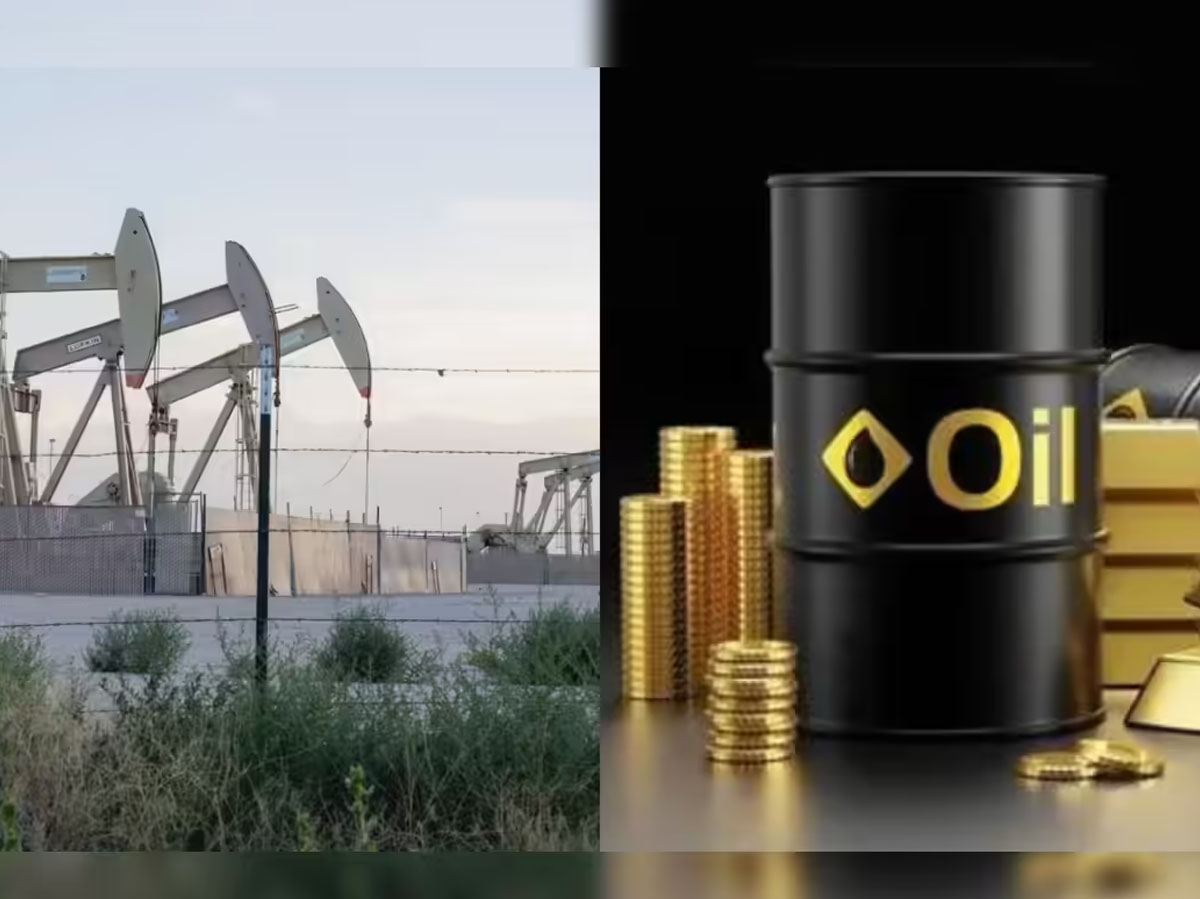
Crude Oil Surges Above $110 as Strait Standoff Fea...
Global oil prices have climbed back above $110 per barrel as uncertainty over the Strait o...
-
Tehran Plans New Diplomatic Offer as Washington Sh...
A senior Iranian envoy praised Pakistan for helping keep diplomatic channels open as Iran ...