POLITICS & POLICY MAKING
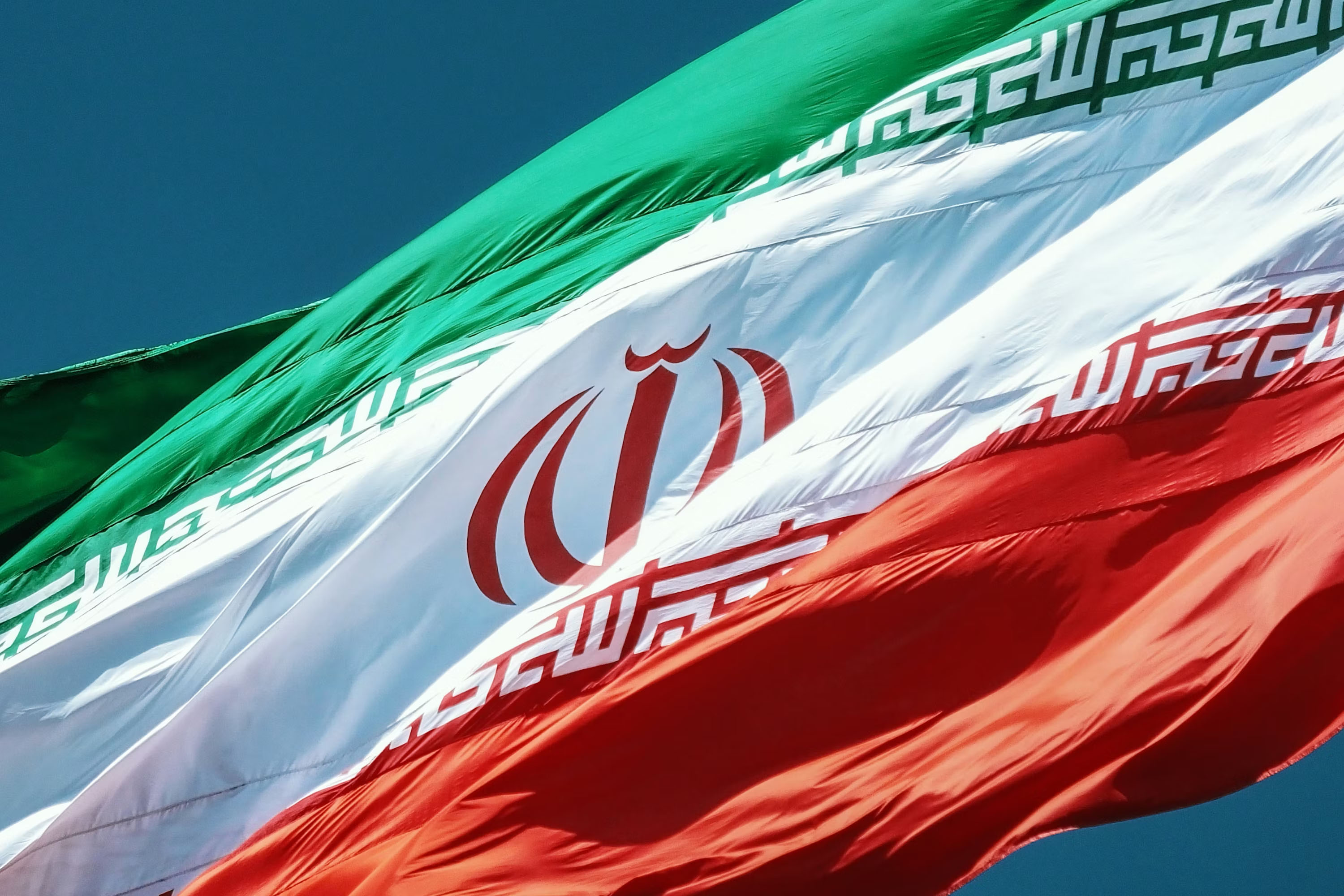
A senior Iranian envoy has publicly thanked Pakistan for playing a quiet but important role in keeping diplomatic efforts alive as tensions remain high between Iran and the United States. Tehran is now preparing a fresh diplomatic proposal that could be shared with Islamabad soon, even while both sides continue to exchange tough rhetoric.
Iran’s Foreign Minister Abbas Araghchi is expected to consult senior leaders after returning from Russia before finalising the proposal. Reports suggest the process has been slow because communication with Supreme Leader Mojtaba Khamenei has been difficult, as his whereabouts remain undisclosed. According to officials, the plan carried to Islamabad outlines a phased negotiation strategy designed to gradually reduce tensions.
The first stage of the proposal would focus on ending the ongoing US-Israeli military campaign against Iran and securing guarantees that Washington will not resume attacks. After that, negotiations would shift toward lifting the US naval blockade and resolving the crisis around the strategic Strait of Hormuz, which Iran hopes to reopen under its control. Only once those steps are completed would broader issues — including the long-running dispute over Iran’s nuclear programme — be placed on the agenda.
Donald Trump appeared to acknowledge parts of the proposal publicly, saying Tehran had asked the US to reopen the strait and suggesting Iran was facing internal pressure. However, reports indicate he remains reluctant to accept the offer. Regional officials have warned that without a breakthrough, the conflict could turn into a prolonged “frozen conflict” with no clear resolution.
While diplomatic discussions continue, Iran has maintained a defiant stance. Its representatives have told international partners that the country still considers itself in a wartime situation and insists Washington and Israel must provide guarantees against further attacks. Iranian defence officials also rejected what they described as unreasonable US demands, warning they are monitoring developments closely and prepared to respond if tensions escalate again.
In Washington, the conflict is creating domestic political pressure. US intelligence agencies are reportedly examining how Tehran might react if the US were to declare victory unilaterally. Some officials fear the prolonged conflict could influence upcoming elections and deepen political divisions at home.
The war has also pushed up fuel prices in the US, intensifying economic concerns. Vice President JD Vance has reportedly questioned whether Pentagon briefings fully reflect the strain on US missile stockpiles. Meanwhile, despite the blockade of the Strait of Hormuz, an LNG tanker from the United Arab Emirates managed to pass through, underscoring how fragile and unpredictable the situation in the region remains.
-
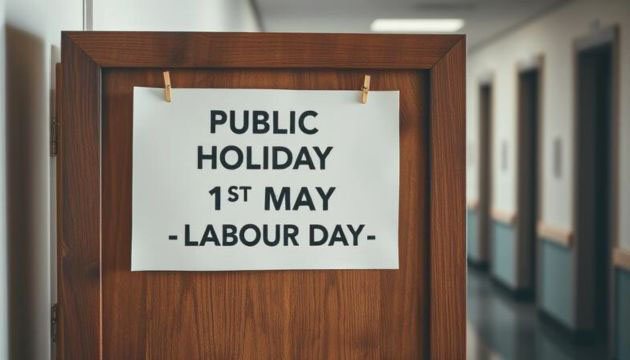
Sindh Declares Public Holiday on May 1 for Labour ...
The Sindh government has announced a province-wide public holiday on May 1 to mark Interna...
-
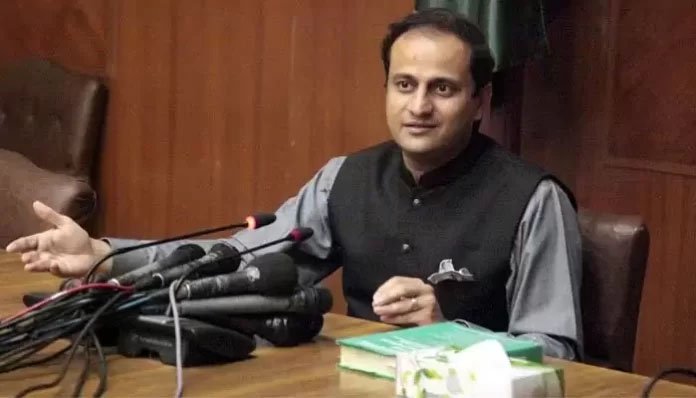
Karachi Mayor Says Comparing Karachi and Lahore Go...
Karachi Mayor Murtaza Wahab has stated that comparing governance between Karachi and Lahor...
-
Iran’s Revolutionary Guards Take Wartime Control...
A new report suggests that Iran’s Islamic Revolutionary Guard Corps (IRGC) has expanded ...
-
Crude Oil Surges Above $110 as Strait Standoff Fea...
Global oil prices have climbed back above $110 per barrel as uncertainty over the Strait o...
-
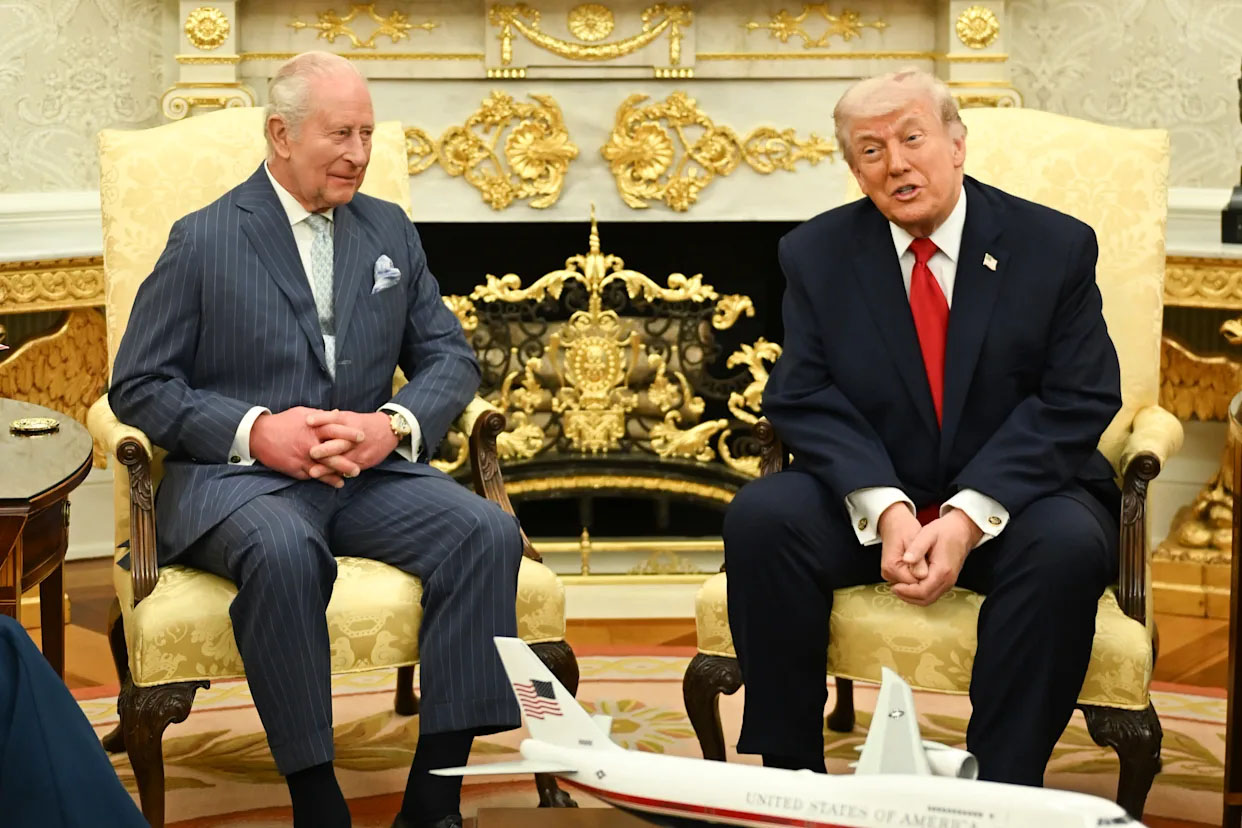
Britain’s King Charles and Donald Trump hailed t...
Trump has repeatedly lambasted British Prime Minister Keir Starmer over his opposition to ...