WORLD NEWS
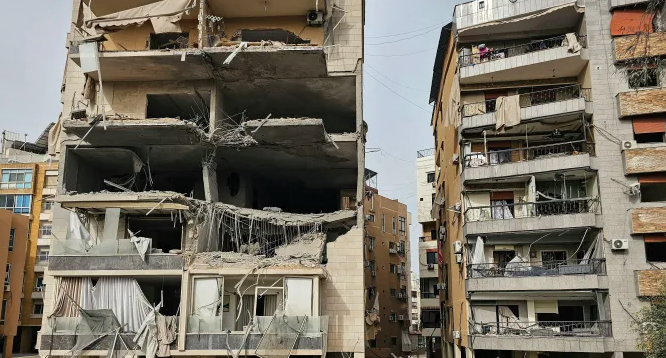
At least seven people have been killed in Israeli attacks targeting Beirut’s southern suburbs and nearby towns, according to Lebanon’s Ministry of Public Health, as Hezbollah continues to resist an Israeli ground invasion in southern Lebanon.
The Israeli military struck the Jnah area of Beirut, killing at least five people and injuring 21, the ministry reported on Wednesday. A separate strike late Tuesday hit the town of Khaldeh, south of the capital, killing two and injuring three. State media also reported an attack on Hadath, a largely evacuated district in the southern suburbs, which was previously emptied due to repeated Israeli strikes and displacement orders.
Security sources described the Hadath strike as a targeted attack on vehicles rather than apartment blocks, though details remain unclear. The Israeli military stated its objective was to kill a senior Hezbollah commander, but the Lebanese group has neither confirmed nor denied the claim.
The recent escalation traces back to March 2, when Hezbollah launched attacks on Israel in support of its ally Iran. Israel has since responded with wide-ranging airstrikes and a ground invasion, causing significant civilian displacement.
On Wednesday, Hezbollah reported cross-border attacks against Israel and intense clashes in Shamaa, approximately 5 km from the border. The group also claimed rocket fire on Israeli soldiers in other locations. Israeli media reported over 40 rockets fired into northern Israel, with several casualties among Israeli forces.
The death toll in Lebanon has now surpassed 1,200, with more than one million displaced, according to the Health Ministry. Three UN peacekeepers from the UN Interim Force in Lebanon (UNIFIL) were also killed this week, prompting an investigation.
Israeli officials, including Defense Minister Israel Katz, have suggested the demolition of homes in border villages and indicated that displaced populations may not return until Israel achieves security objectives. Prime Minister Benjamin Netanyahu has ordered an expansion of operations in southern Lebanon, with some far-right ministers advocating annexation of the area.
Meanwhile, Lebanese Prime Minister Nawaf Salam formally banned Hezbollah military activities last month and instructed the Lebanese army to prevent attacks originating from Lebanese territory. However, Hezbollah has refused to disarm, citing the need to resist Israeli assaults and maintain its defense capabilities.
The situation remains tense, with fears that Israeli forces may aim for a prolonged presence or leverage their operations to compel Hezbollah disarmament and compliance from the Lebanese government.
-
Starmer Confirms UK Will Not Join Iran War, Emphas...
UK PM Keir Starmer vows Britain will stay out of the Iran war, focusing on diplomacy & Eur...

-
North Korean Hackers Breach Popular Software to St...
North Korean-linked hackers compromised the open-source software Axios, aiming to steal lo...
-
Assam Delimitation Redraws Muslim-Majority Seats, ...
Assam’s 2023 delimitation reshapes electoral boundaries, reducing Muslim-majority seats ...
-
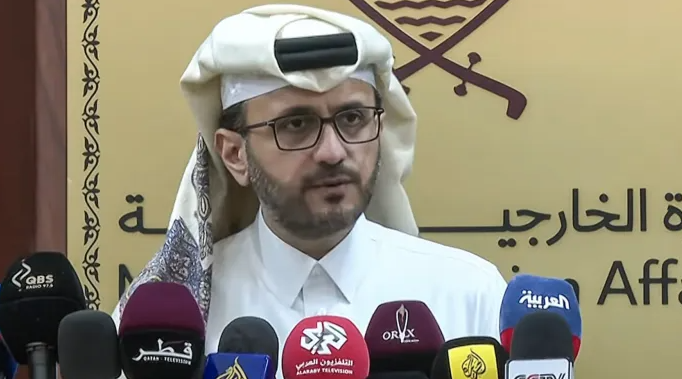
Qatar Warns Iran Has Crossed “Red Lines,” Call...
Qatar says Iran’s attacks on regional neighbors risk catastrophic fallout; calls for res...
-
US Secretary of War Warns Iran: Diplomacy or Expan...
US Secretary of War Pat Hegseth warns Iran to pursue diplomacy or face expanded attacks; g...