LEGAL
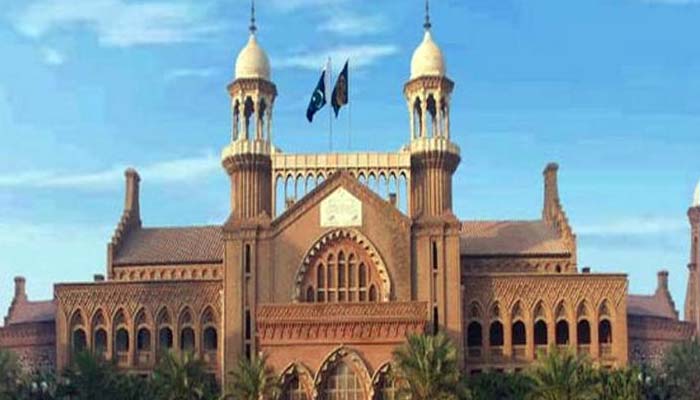
The Lahore High Court (LHC) has declared all decisions taken by the Dispute Resolution Committees (DRCs) formed under the Punjab Property Ownership Act as null and void, marking a significant development in the legal landscape governing property disputes in Punjab.
The ruling came during hearings on petitions challenging various provisions of the law. The Chief Justice directed that all petitions relating to proceedings of the DRCs be transferred to the relevant tribunal established under the amended ordinance. The court further upheld its previous rulings concerning property matters.
Tribunal to Hear Petitions
During the proceedings, the court observed that nearly 80 percent of the law had been amended through the new ordinance. It ruled that all petitions filed under the amended framework would now be heard and decided by the designated tribunal.
The Chief Justice clarified that broader constitutional challenges to the law would be considered at a later stage.
Government’s Position
The Advocate General of Punjab informed the court that significant amendments had been introduced in the property ownership framework. He stated that the Dispute Resolution Committees did not possess judicial powers and therefore could not exercise authority equivalent to a court.
He further suggested that instead of appointing a retired judge, a serving additional sessions judge should head the tribunal to ensure judicial credibility and proper adjudication of disputes.
According to the Advocate General, the transfer of pending cases to the tribunal would remain at the discretion of the relevant court. He added that appeals against the tribunal’s decisions could be filed before the Constitutional Court, the Supreme Court, or the High Court, depending on the legal grounds involved.
Legal Impact
The LHC’s decision effectively invalidates all prior rulings issued by the DRCs under the previous framework of the Punjab Property Ownership Act. Legal experts say the judgment could have far-reaching implications for property litigation across the province, as numerous cases previously decided by DRCs may now require fresh hearings before the tribunal.
The ruling also reinforces the principle that adjudicatory powers must rest with properly constituted judicial forums, especially in matters involving property rights.
-
IHC Nullifies Justice Tariq Jahangiri’s Appointm...
Islamabad High Court rules Justice Tariq Mahmood Jahangiri’s appointment invalid, citing...
-
Canadian Doctoral Student Arrested in Pakistan Ove...
Lahore police and NCCIA take Canadian doctoral student Hamza Ahmad Khan into custody over ...
-
IHC Reaffirms Chief Justice as Sole “Master of t...
Islamabad High Court rules July 2025 Aafia Siddiqui order invalid, reaffirming that only t...
-
Supreme Court Stays Trial Court Proceedings Agains...
The Supreme Court of Pakistan stays Lahore trial court proceedings against Imran Khan in t...
-
Supreme Court Declares Blocking of Identity Cards ...
The Supreme Court of Pakistan rules that blocking a citizen’s identity card is illegal, ...