POLITICS & POLICY MAKING
Detailed Report
-
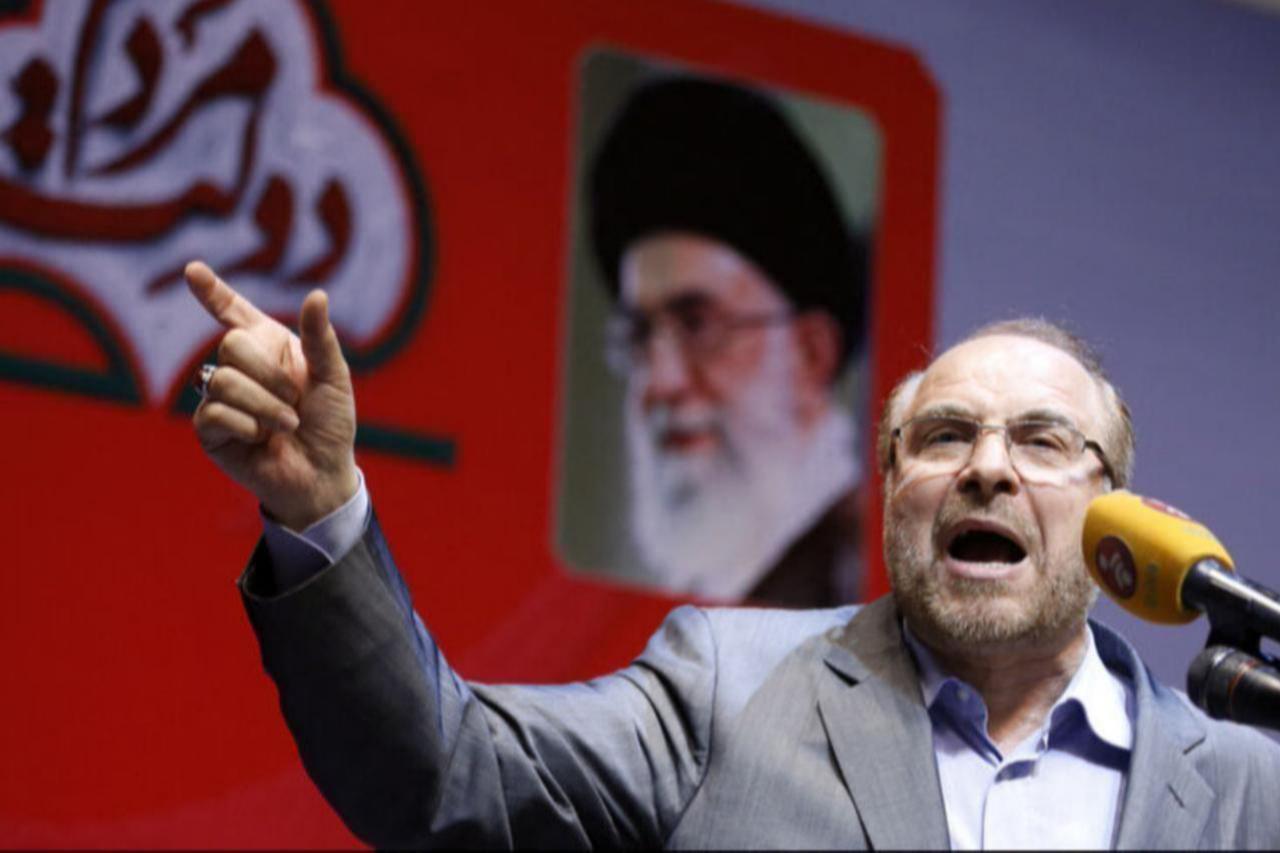
The Permanent Administration Claim: In the immediate wake of the high-stakes Swiss diplomatic summit, Iran's chief negotiator and parliamentary speaker, Mohammad Bagher Ghalibaf, declared on Tuesday, June 23, 2026, that the Strait of Hormuz will permanently remain under the direct administration of Tehran. Speaking to state media outlet IRNA upon his return via a diplomatic stopover in Oman—which co-shares the strategic maritime choke point—Ghalibaf asserted that the waterway would never return to its pre-war operational status. He maintained that Iran's long-term oversight of the channel would be executed strictly in accordance with international law.
-
The Burgenstock Summit Breakthroughs: The declaration follows intense, multi-lateral negotiations held at the luxury Burgenstock resort in Switzerland. Ghalibaf characterized the initial round of talks as a major success, citing critical progress across four core geopolitical vectors: maritime transit rights in the Strait, a definitive framework to halt the conflict in Lebanon, the extraction of immediate U.S. sanctions waivers on petrochemicals, and the scheduled release of billions in frozen Iranian state assets.
-
The U.S. Sanctions Rollover and Nuclear Trade-Off: The economic concessions from Washington were underscored by U.S. Vice President JD Vance, who confirmed that the Biden-Trump administration has formally suspended sweeping sanctions on Iranian crude oil exports. In exchange for this immediate fiscal relief and the unfreezing of restricted funds, Tehran has agreed to allow United Nations nuclear inspectors from the IAEA to fully return to the country. Despite the rapid implementation of these confidence-building measures, Ghalibaf struck a cautious tone on his Telegram channel, reminding state officials that the diplomatic apparatus is only at the beginning of a highly complex legislative and geopolitical stabilization process.
-
U.S. Enacts 60-Day Iran Sanctions Waiver as Trump ...
The U.S. has issued a 60-day sanctions waiver allowing Iran to sell oil, following breakth...
-
'Denuclearization Off the Table': Kim Jong Un Vows...
North Korean leader Kim Jong Un announced at a Workers' Party Central Committee meeting th...
-
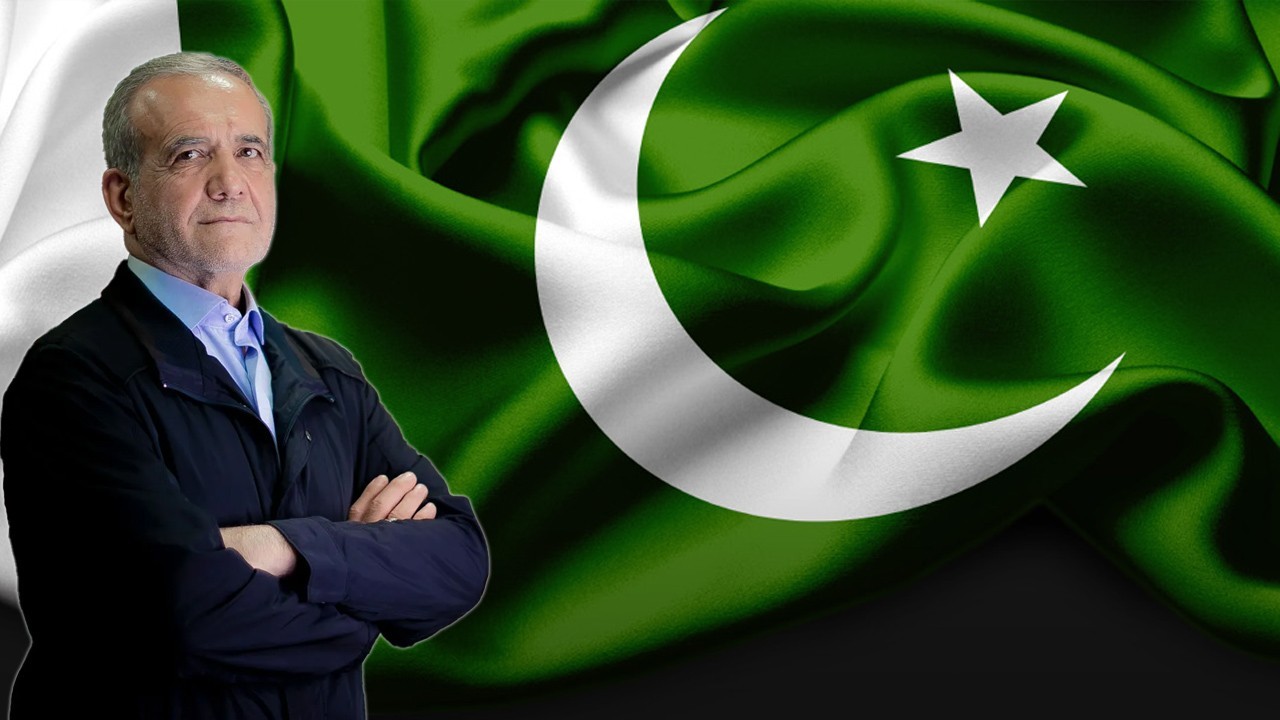
Iranian President Pezeshkian Arrives in Pakistan T...
Iranian President Masoud Pezeshkian arrives in Pakistan today on an official visit to revi...
-
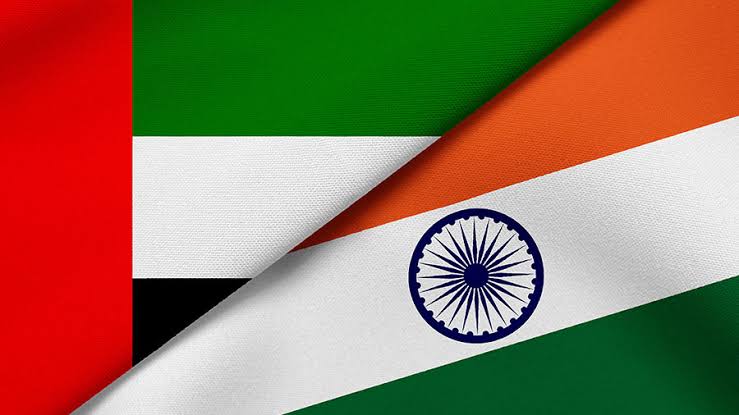
New Delhi and Abu Dhabi in Fast-Track Talks Over P...
India is in advanced, unpublicized talks to sell its supersonic BrahMos cruise missiles an...
-
'Talks Are the Only Solution': PTI Chairman Barris...
PTI Chairman Barrister Gohar has welcomed Prime Minister Shehbaz Sharif's dialogue offer, ...