TRADE & ECONOMY
Detailed Report
-
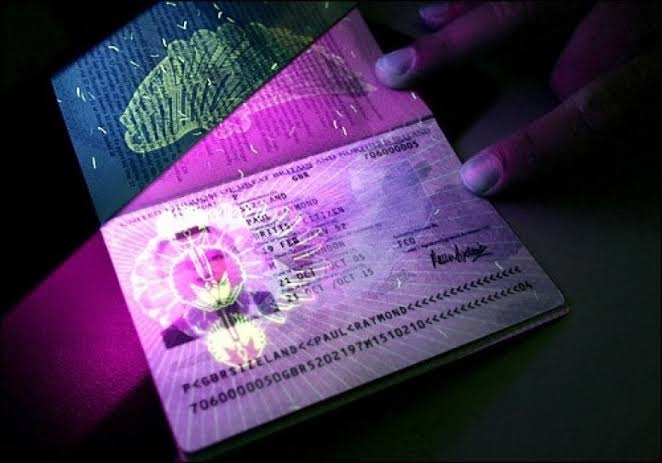
The Technological Transition: In a major modernization of national travel documents, the Government of Pakistan has officially decided to completely phase out traditional machine-readable passports in favor of a mandatory electronic passport (e-passport) ecosystem. Announcing the policy shift during a high-profile structural reform meeting at the Directorate General of Immigration and Passports Headquarters in Islamabad on Friday, June 19, 2026, Interior Minister Mohsin Naqvi declared that the comprehensive transition will permanently curb identification fraud, eradicate document forgery, and offer Pakistani travelers seamless, high-security global compatibility. While the transition has been approved in principle, authorities have yet to announce a formal cutoff deadline for expiring machine-readable booklets.
-
Embedded Security & Global Access: Pakistani e-passports feature an embedded contactless Near Field Communication (NFC) microchip containing securely encrypted biometric datasets, digital facial patterns, biographical indices, a unique identification tracking number, and specialized cryptographic state signatures. This digital layout aligns precisely with the strict criteria mandated by the International Civil Aviation Organization (ICAO). The implementation will allow Pakistani travelers to bypass legacy manual border counters, granting them full access to automated biometric e-gates at major international aviation hubs to significantly reduce immigration processing wait times.
-
Home Delivery and Pak ID Integration: Providing a performance briefing to the minister, Director General of Passports and Immigration Muhammad Ali Randhawa confirmed that logistical blueprints for the home delivery of passports to citizens—both domestically and across overseas diaspora hubs—have been successfully finalized. Minister Naqvi stated that the doorstep delivery mechanism will be operational shortly, utilizing the centralized Pak ID web platform to facilitate online applications and radically slash standard processing queues. Additionally, the ministry has directed immediate consultations with the Federal Board of Revenue (FBR) to fast-track the policy guidelines for specialized corporate business passports.
-
Relief for Consumers: Kerosene Oil Price Slashed b...
The federal government has slashed the price of kerosene oil by Rs48.29 per liter, bringin...

-
Imports Choke Surplus: Pakistan’s Current Accoun...
State Bank data shows Pakistan's current account surplus narrowed to $255 million in May 2...
-
National Assembly Passes Bill Granting Telecom Fir...
The National Assembly has passed the Pakistan Telecommunication Reorganisation Amendment B...

-
Iran’s Return to Global Oil Market to Drasticall...
Finance Ministry Advisor Khurram Shahzad stated on ARY News that Pakistan will be the top ...
-
Karachi Bus Owners Declare Indefinite Strike Start...
The Karachi Bus Owners Association has announced an indefinite public transport strike sta...