POLITICS & POLICY MAKING
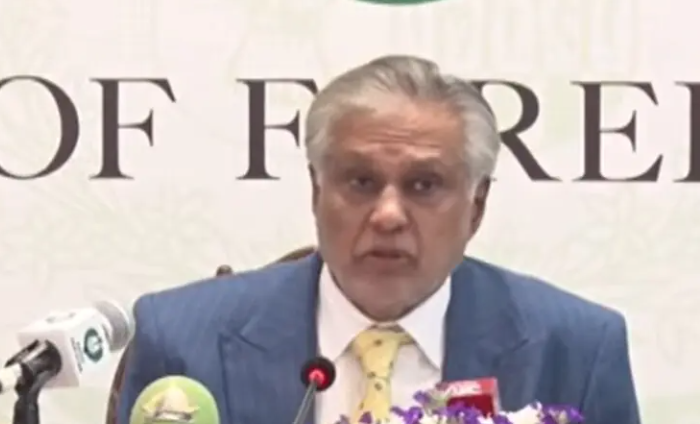
Pakistan is actively engaging in diplomatic efforts to calm regional tensions following recent US and Israeli attacks on Iran, Deputy Prime Minister and Foreign Minister Ishaq Dar said on Monday. Speaking at a media briefing in Islamabad, Dar highlighted Pakistan’s consistent stance that dialogue and diplomacy are the only viable paths to resolving conflicts.
“This recent escalation has significantly heightened tensions in an already fragile environment. We are making full diplomatic efforts and requesting all parties to de-escalate,” Dar stated. He also referred to Prime Minister Shehbaz Sharif’s recent discussions with the International Atomic Energy Agency (IAEA) in Austria, describing the feedback as positive.
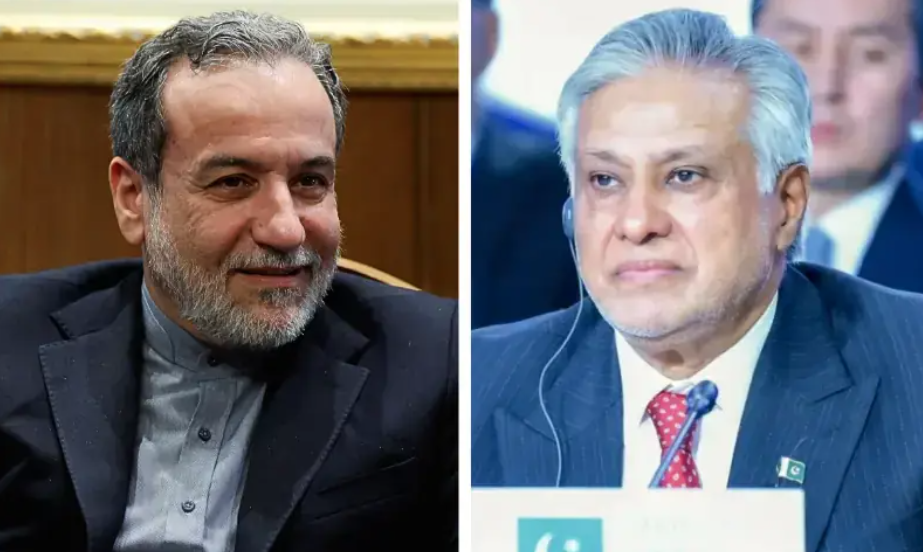
Dar condemned the targeting of heads of state, including Iran’s Supreme Leader Ali Khamenei, stressing that Pakistan upholds international law, the UN Charter, and principles of sovereignty and humanitarian law. He noted that his conversations with Iran’s Foreign Minister Abbas Aragchi had emphasized restraint, dialogue, and diplomacy, and that the response had been constructive.
The deputy prime minister expressed concern over Iran’s retaliatory strikes on Gulf countries, including Saudi Arabia, Bahrain, Jordan, Kuwait, Qatar, the UAE, and Oman, condemning attacks on civilian and foreign territories. Pakistan’s leadership has called on all sides to exercise restraint, underscoring that double standards cannot be tolerated.
Operation Ghazab lil-Haq in Afghanistan
Dar also detailed Pakistan’s military response to repeated terrorist attacks emanating from Afghan territory, including the Islamabad court bombing, BLA attacks in Balochistan, and the February 6 Imambargah suicide bombing. He stated that intelligence confirmed the involvement of the Tehreek-i-Taliban Pakistan (TTP) and IS-KP, prompting the launch of Operation Ghazab lil-Haq in self-defense.
The operation targeted seven terrorist camps and hideouts across Afghanistan, including in Kabul, Kandahar, Paktia, Nangarhar, Khost, and Paktika, with carefully selected military installations to minimize civilian impact. According to Dar, the operation has so far resulted in:
· 415 Taliban and Khwarij personnel eliminated
· 182 posts destroyed, 31 posts captured
· 185 tanks and armoured personnel carriers destroyed
Dar emphasized that Pakistan’s military actions were proportionate, precise, and measured, aimed solely at terrorist infrastructure, and condemned provocative actions by the Afghan Taliban across 53 locations in 15 sectors of Khyber Pakhtunkhwa on February 26.
Regional and International Engagement
Dar highlighted Pakistan’s diplomatic outreach, including discussions with multiple foreign ministers and its permanent representative at the United Nations Security Council, where Pakistan condemned attacks on Iran and advocated for immediate resumption of diplomacy. Pakistan also maintains close contact with its diaspora in Gulf countries, following the death of a Pakistani national in Abu Dhabi amid Iranian strikes.
“Our outreach aims for an immediate halt to escalation through diplomacy to achieve a peaceful, negotiated resolution,” Dar said. He reiterated Pakistan’s readiness to support regional peace while defending its national interests and borders.
-
Pakistan Condemns Unprovoked Attacks in Middle Eas...
Pakistan condemns unprovoked attacks on Iran and retaliatory strikes on Gulf states, expre...
-
PM Shehbaz Sharif Condemns Regional Tensions, Pled...
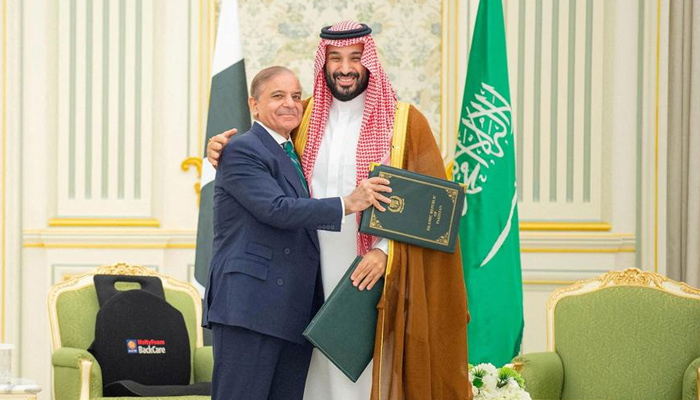
PM Shehbaz Sharif calls Saudi Crown Prince Mohammad bin Salman, condemns tensions from Isr...
-
Pakistan Senate Passes Virtual Assets Amendment Bi...
Senate passes Virtual Assets Amendment Bill: new authority to regulate crypto, protect inv...
-
US President Donald Trump Praises Pakistan’s Rol...
US President Donald Trump praises Pakistan’s efforts in the war against Afghanistan, lau...
-
Ishaq Dar Condemns Attacks on Iran, Urges Immediat...
Deputy PM Ishaq Dar condemned “unwarranted attacks” on Iran during a call with FM Abba...