TRADE & ECONOMY
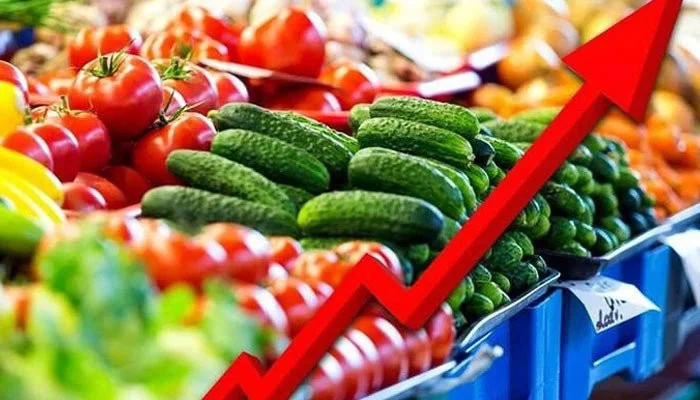
Pakistan’s inflation rate surged to a 19-month high in March 2026, reflecting growing economic pressure amid a tense regional environment, according to data released by the Federal Bureau of Statistics.
The bureau’s monthly report revealed that inflation increased by 1.18 per cent on a month-on-month basis compared to February. On a yearly basis, inflation reached 7.30 per cent in March 2026 — the highest level recorded since August 2024.
The report further highlighted that the average inflation rate during the first nine months of the current fiscal year, from July 2025 to March 2026, stood at 5.67 per cent.
For comparison, the annual inflation rate in February 2026 was recorded at 6.98 per cent, while in March 2025 it stood significantly lower at just 0.7 per cent, indicating a sharp year-on-year increase.
Urban and Rural Trends
Inflationary pressures were observed across both rural and urban areas. On a monthly basis, inflation in rural regions rose by 0.96 per cent, while urban areas experienced a higher increase of 1.34 per cent.
On a yearly basis, rural inflation reached 7.17 per cent, whereas urban inflation climbed slightly higher to 7.39 per cent, indicating a broad-based rise in prices across the country.
Government Outlook
Earlier, the Ministry of Finance had projected inflation for March to fall within the range of 7.5 to 8.5 per cent. The actual figure of 7.30 per cent came slightly below this estimate but still reflects mounting economic challenges.
Economic Context
The rise in inflation comes at a time when Pakistan is navigating regional uncertainties and internal economic pressures. Analysts suggest that continued volatility, combined with supply-side constraints and external factors, may keep inflation elevated in the coming months.
As policymakers monitor the situation closely, controlling inflation remains a key priority to ensure economic stability and protect household purchasing power.
-
Federal Government Revises Solar Power Export Poli...
Federal govt changes billing rules for solar users exceeding approved capacity. Extra elec...
-
OGRA Announces 35% Hike in LPG Prices for April...
OGRA raises LPG rates by 35% for April, increasing the cost of an 11.8kg cylinder by Rs924...
-
Finance Minister Assures Full Support to KP CM Afr...
Finance Minister Muhammad Aurangzeb pledges full support to KP CM Sohail Afridi to resolve...
-
Pakistan Grants Temporary Trade Exemptions for Exp...
Pakistan allows exports via Iran and Central Asia without bank guarantees or LCs for 3 mon...
-
Govt Plans Petrol Subsidy for Motorcycles, Ricksha...
Pakistan govt plans targeted petrol subsidy for bikes & rickshaws with QR code system; fin...