MILITARY
Pakistan’s Progress is Unstoppable': COAS Gen Asim Munir Vows to Defeat Terrorism and Hostile Propaganda

Detailed Report
-
Defying Hostile Narratives: Chief of Army Staff and Chief of Defence Forces, Field Marshal Syed Asim Munir, has firmly declared that Pakistan’s path toward national stability and development cannot be derailed. Speaking during a high-profile visit to Quetta, the military chief emphasized that malicious disinformation campaigns, fake news, and externally sponsored proxy terrorism are destined to fail against the combined resilience of the state and the unity of its people.
-
Modernizing the Military Mindset: Addressing faculty and student officers at the prestigious Command and Staff College Quetta, Field Marshal Munir praised the institution's rich legacy of academic and professional military excellence. He stressed the urgent need for graduating officers to adapt to the rapidly shifting dynamics of modern warfare. In a complex global security landscape, he noted, maintaining operational superiority strictly requires embracing emerging technologies, multi-domain operations, and deep tri-services synergy.
-
Focus on Balochistan’s Stability: Interacting with troops deployed across the province, the military chief commended their high morale and vigilant dedication to enforcing the writ of the state under challenging conditions. He highlighted that lasting peace in Balochistan cannot be achieved through security operations alone; rather, it is intrinsically tied to a "people-centric approach" that prioritizes inclusive socio-economic development, robust public welfare initiatives, and improved local governance.
-
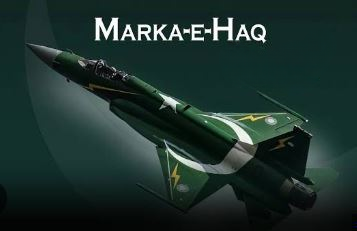
GHQ to Commemorate First Anniversary of "Marka-e-H...
General Headquarters (GHQ) in Rawalpindi will host a grand ceremony on Sunday, May 10, 202...
-
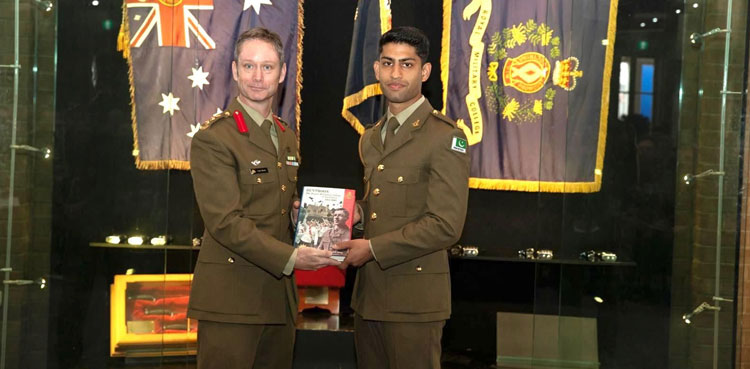
Pakistani Cadet Sardar Arsam Abbas Named Best Fore...
Pakistani Army cadet Sardar Arsam Abbas has been awarded the “Overall Best Foreign Milit...
-
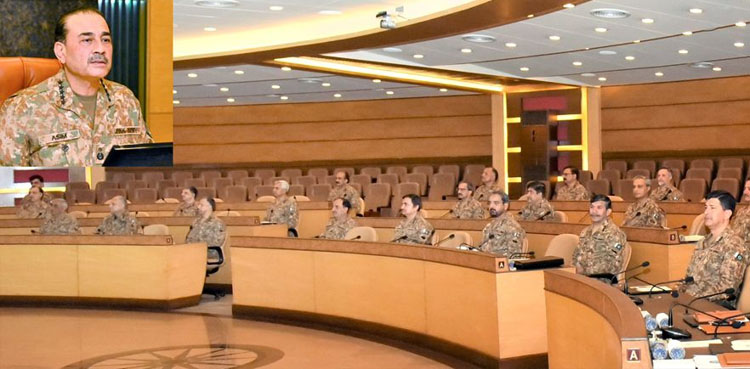
275th Corps Commanders’ Conference: Pakistan Arm...
Pakistan’s military leadership, during the 275th Corps Commanders’ Conference, emphasi...
-
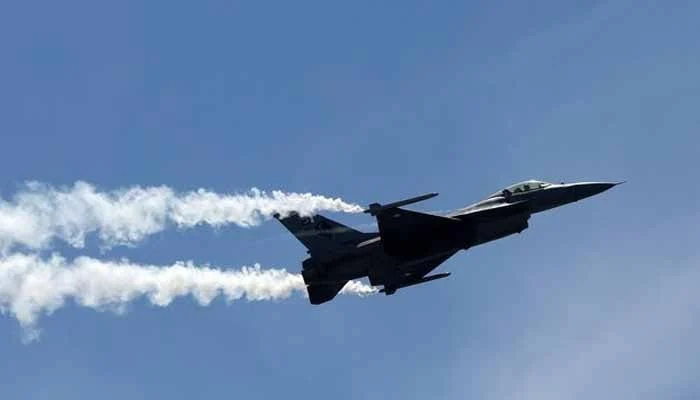
US Awards $488 Million F-16 Radar Support Contract...
The US has awarded a $488 million contract for F-16 radar support, with Pakistan among cou...
-
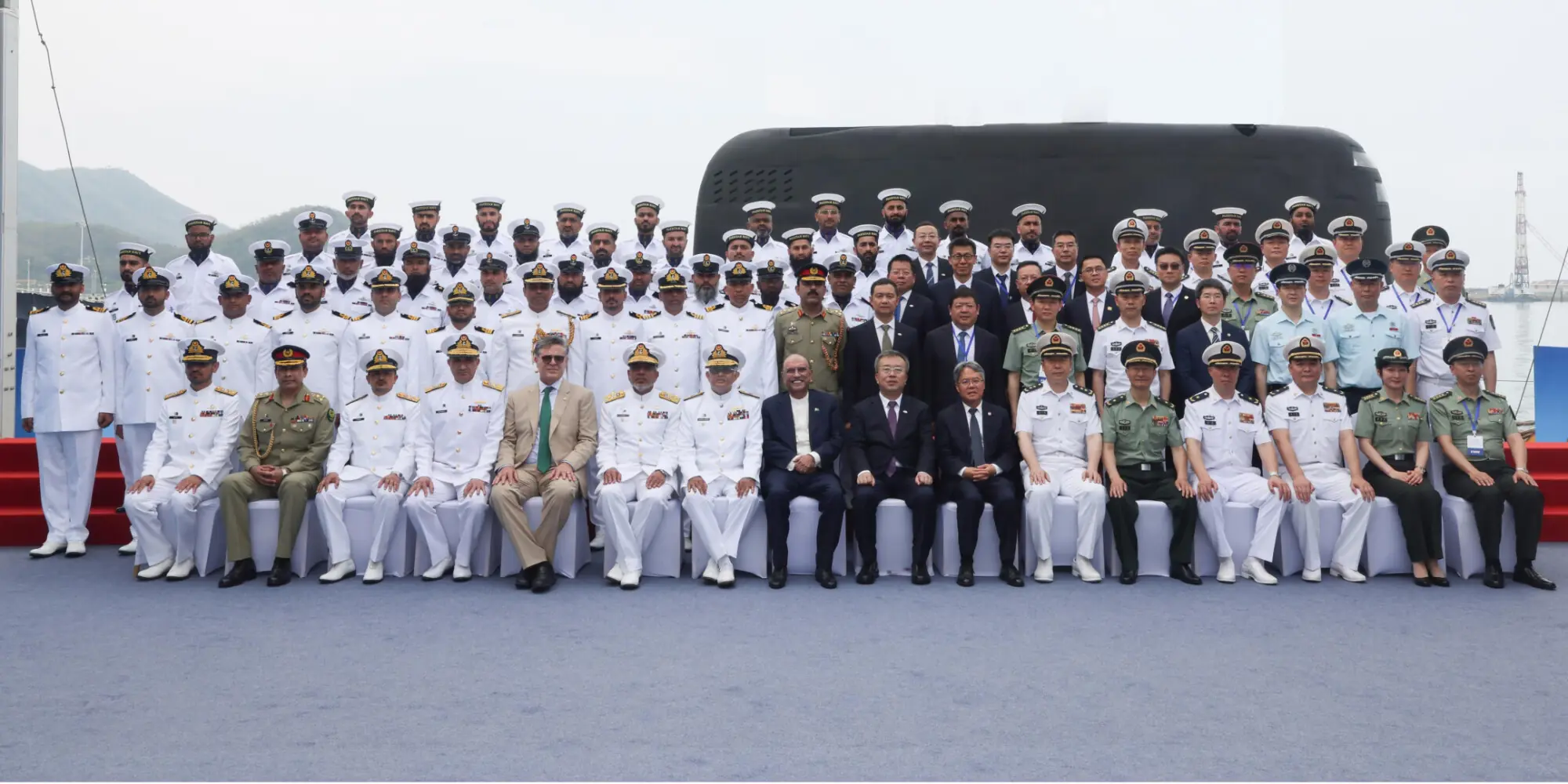
Pakistan Navy Inducts First Hangor-Class Attack Su...
Pakistan Navy has commissioned its first Hangor-class attack submarine in China, marking a...