TRADE & ECONOMY
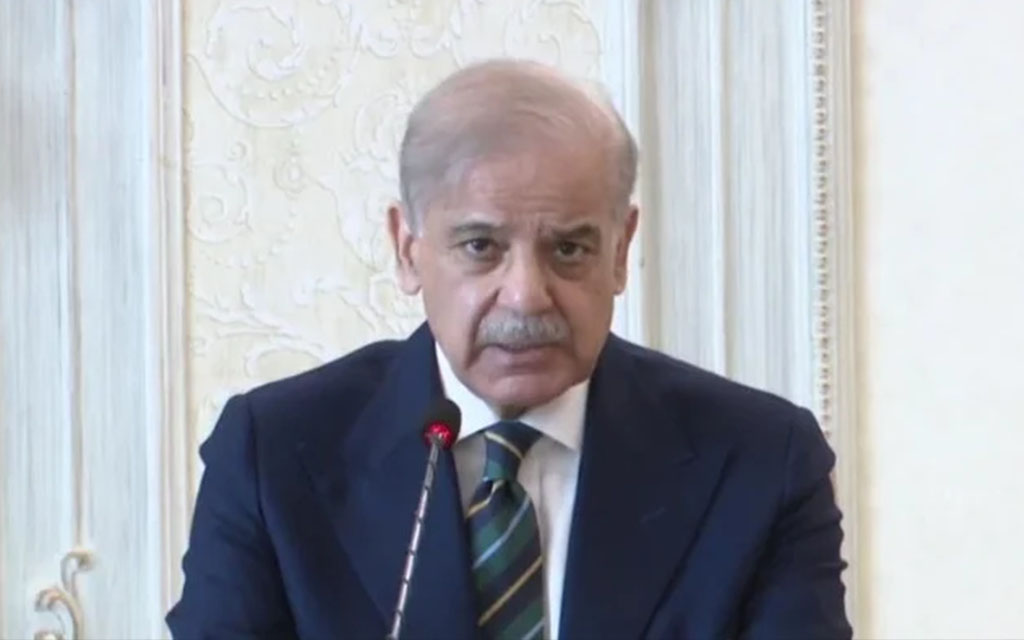
Pakistan’s energy import burden has increased sharply as the ongoing Middle East conflict continues to disrupt global oil markets and push prices upward.
According to Prime Minister Shehbaz Sharif, the country’s weekly oil import bill has now surged to around $800 million, compared to nearly
$300 million before the outbreak of the regional war.
The increase has been directly linked to rising international crude oil prices, which have been highly volatile due to instability in the Middle East and concerns over supply routes such as the Strait of Hormuz.
As global energy markets tighten, oil-exporting regions are facing disruptions that are affecting import-dependent economies like Pakistan.
Officials explained that the jump in costs is placing additional pressure on Pakistan’s already fragile economic situation, particularly in terms of inflation, trade balance, and foreign exchange reserves. Higher fuel import bills also have a direct impact on transportation costs, electricity generation, and overall consumer prices within the country.
Government representatives have stated that they are closely monitoring the situation and exploring measures to manage the financial impact.
These include reviewing fuel consumption patterns, adjusting import strategies, and coordinating with relevant departments to reduce unnecessary usage of petroleum products.
Economic analysts warn that if global oil prices remain elevated for a longer period, Pakistan may face continued pressure on its external accounts, potentially affecting economic stability and growth targets. The situation highlights how deeply interconnected global conflicts are with domestic economic conditions, especially for countries heavily reliant on imported energy.
Overall, the sharp rise in Pakistan’s weekly oil bill reflects the broader impact of international instability on developing economies,
where even distant geopolitical tensions can significantly influence inflation and financial stability.
-
Economic Turnaround: Finance Minister Projects 4% ...
Pakistan’s economy is showing strong signs of a "broad-based recovery." 📈 Finance Min...

-
-
Gold Price Drops by Rs 7,100 per Tola in Pakistan...
Gold prices in Pakistan fall sharply by Rs 7,100 per tola, with 10g now at Rs 417,491; glo...
.jpg)
-
US Becomes World’s Top Oil Producer, Surpasses S...
The United States overtakes Saudi Arabia and Russia combined to become the world’s large...
-
Federal Government Revises Solar Power Export Poli...
Federal govt changes billing rules for solar users exceeding approved capacity. Extra elec...