TRADE & ECONOMY
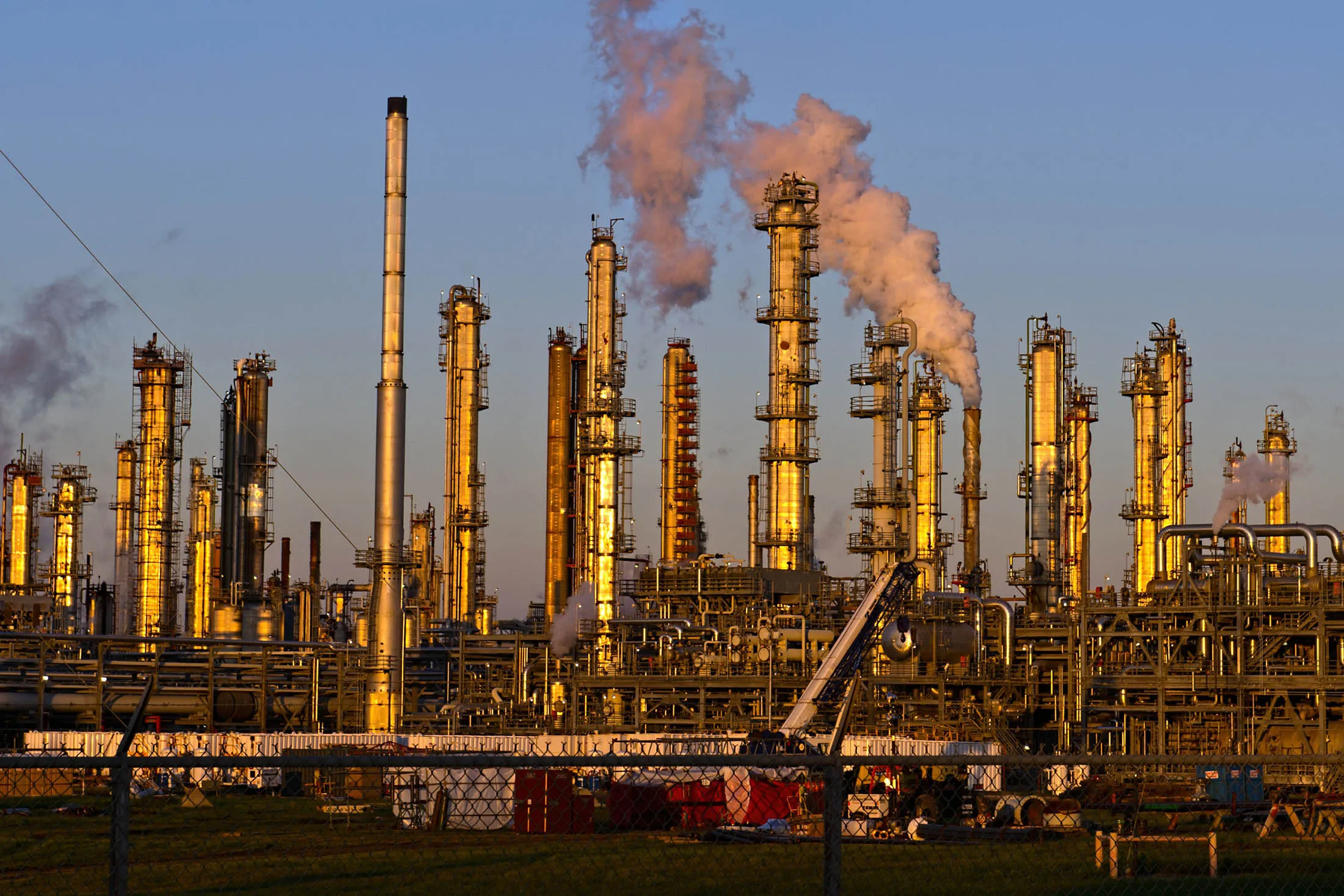
The United States has solidified its position as the world’s leading oil producer, surpassing the combined output of Saudi Arabia and Russia, according to the latest data from international energy organizations for 2026.
The report highlights a significant shift in global energy dynamics, with the United States maintaining a dominant lead in oil production. Average daily output in 2026 is estimated at approximately 13.6 million barrels per day, with projections indicating a further increase to around 13.8 million barrels per day in 2027.
In broader production metrics, the United States’ daily oil output is reported to range between 20.9 million and 22.8 million barrels, accounting for roughly 15 to 20 percent of total global production. This places the country well ahead of its closest competitors.
By comparison, Saudi Arabia produces between 10.8 and 11.2 million barrels per day, while Russia contributes approximately 10.5 to 10.9 million barrels daily. Even when combined, their output does not exceed that of the United States under current estimates.
The latest rankings reaffirm the United States’ position at the top of the global oil production hierarchy, followed by Saudi Arabia and Russia. This development reflects the continued expansion of U.S. energy capabilities, particularly through advancements in shale oil extraction and technological innovation.
Energy analysts note that this surge in production could have far-reaching implications for global oil markets, pricing, and geopolitical influence. As the United States strengthens its energy independence, traditional oil-producing powers may face increased competition and shifting market dynamics.
The evolving landscape underscores a broader transformation in the global energy sector, where production leadership is increasingly influenced by technological advancements and resource diversification.
-
Gold Price Drops by Rs 7,100 per Tola in Pakistan...
Gold prices in Pakistan fall sharply by Rs 7,100 per tola, with 10g now at Rs 417,491; glo...
.jpg)
-
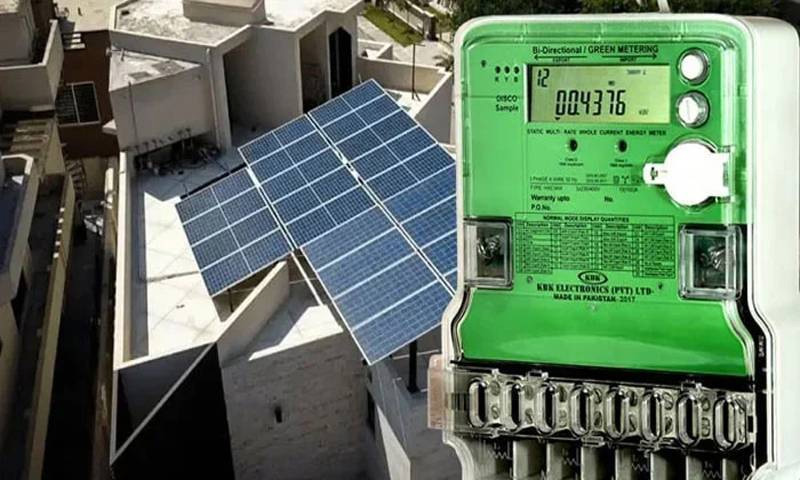
Federal Government Revises Solar Power Export Poli...
Federal govt changes billing rules for solar users exceeding approved capacity. Extra elec...
-
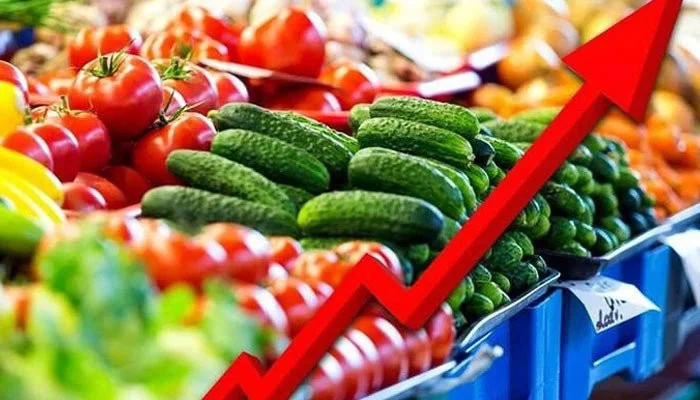
Pakistan’s Inflation Climbs to 19-Month High in ...
Pakistan’s inflation rises to 7.3% in March, the highest in 19 months, amid regional ten...
-
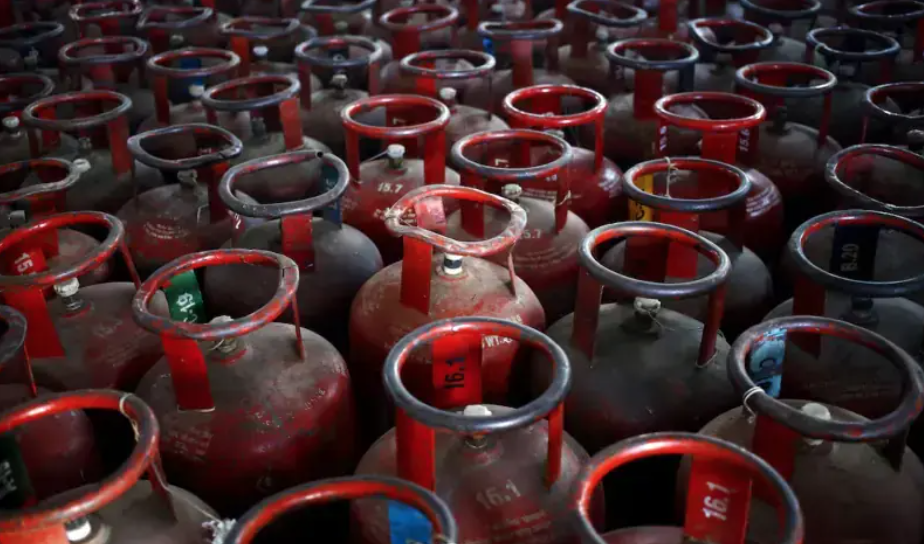
OGRA Announces 35% Hike in LPG Prices for April...
OGRA raises LPG rates by 35% for April, increasing the cost of an 11.8kg cylinder by Rs924...
-
Finance Minister Assures Full Support to KP CM Afr...
Finance Minister Muhammad Aurangzeb pledges full support to KP CM Sohail Afridi to resolve...