TRADE & ECONOMY
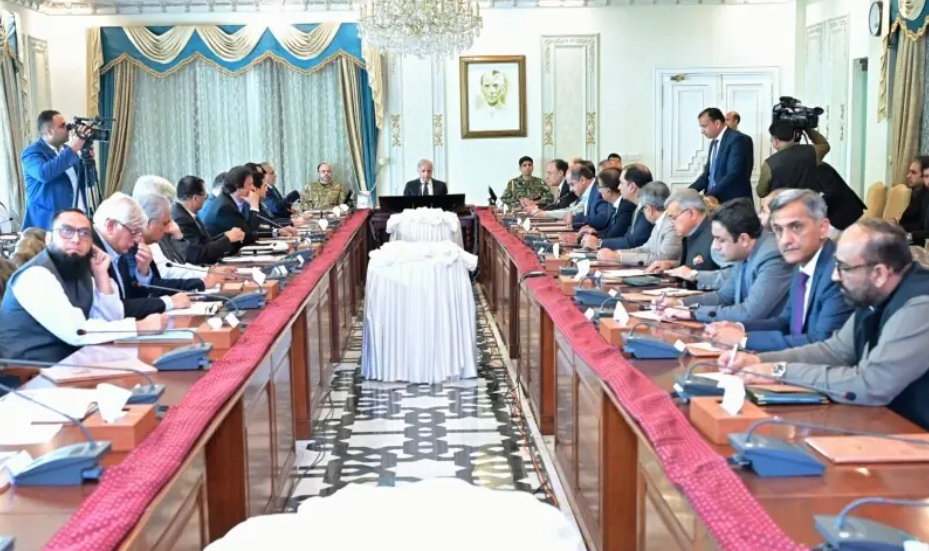
Shehbaz Sharif on Friday chaired a high-level meeting on petroleum products and directed provincial governments to take strict legal action against individuals and businesses involved in hoarding fuel.
According to a statement issued by the Prime Minister’s Office of Pakistan, the meeting reviewed the country’s fuel reserves in light of the evolving regional situation affecting global supply chains.
During the meeting, the Ministry of Petroleum briefed participants on the availability of petroleum products in the country. Officials informed the prime minister that sufficient reserves were currently available to meet national demand.
However, the prime minister expressed concern over reports of hoarding and attempts to create artificial shortages in certain areas. He directed provincial administrations to take strict legal action against those involved in such practices.
According to the statement, the premier instructed authorities that any petrol pump found creating an artificial shortage should be immediately sealed, its licence cancelled, and legal proceedings initiated against the operators.
The prime minister also directed the petroleum minister to visit the provinces and coordinate with provincial governments to develop a comprehensive strategy to conserve petroleum products and ensure uninterrupted supply across the country.
In addition, the premier ordered the creation of a digital dashboard to monitor the movement and distribution of petroleum products nationwide. The system will allow real-time data sharing with provincial authorities and help track the transportation and supply chain of fuel.
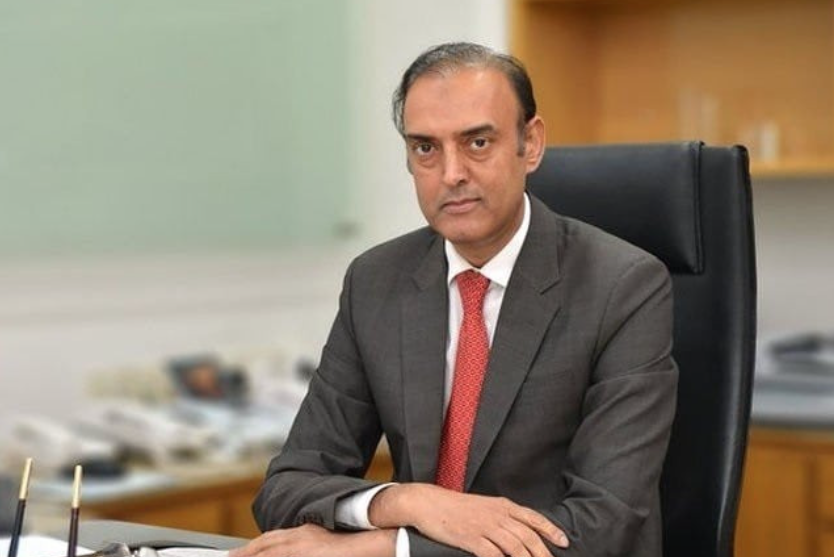
The meeting was attended by Deputy Prime Minister and Foreign Minister Ishaq Dar, federal ministers Jam Kamal Khan, Ahsan Iqbal, Muhammad Aurangzeb, Attaullah Tarar, Ali Pervaiz Malik and Awais Leghari. Jameel Ahmad, the governor of the State Bank of Pakistan, as well as chief secretaries from Sindh, Punjab, Khyber Pakhtunkhwa, Balochistan, Azad Kashmir and Gilgit-Baltistan also participated in the meeting.
The discussion comes at a time of heightened geopolitical tensions in the Middle East. The ongoing conflict involving the United States, Israel and Iran has entered its sixth day, disrupting global energy supply chains.
Shipping routes through the strategically important Strait of Hormuz have reportedly been paralysed, raising concerns for countries heavily dependent on imported fuel.
Finance Minister Muhammad Aurangzeb stated that there was currently no shortage of petroleum products in Pakistan but warned that the situation could become serious if the conflict continued for a prolonged period.
In response to the potential disruption, Pakistan has formally requested Saudi Arabia to facilitate an alternative oil supply route through the Red Sea to help maintain the country’s fuel supply chain.
Meanwhile, the government has also decided in principle to introduce weekly petroleum pricing starting March 8. The measure aims to pass on additional costs, including increased insurance, freight and war-risk premiums, to consumers.
Authorities are also considering reviving several pandemic-era measures to reduce fuel consumption and financial pressure on the economy. These measures may include work-from-home arrangements, distance learning and car-pooling initiatives across the country.
Officials said a national action plan to address the emerging energy supply challenges has been finalised in consultation with provincial and regional governments. The plan will be presented to the prime minister for approval before being forwarded to the Economic Coordination Committee of the Cabinet for formal endorsement and implementation.
-
Government Increases Petrol and Diesel Prices by R...
Petrol rises to Rs 321.17 and diesel to Rs 335.86 per liter as government cites regional c...
-
Petrol and Diesel Prices Expected to Rise by Rs 30...
Fuel prices set to surge by Rs 30–50 per liter due to Middle East tensions. Price hike l...
-
Pakistan’s Central Government Debt Hits Rs79.32 ...
Pakistan’s central government debt rises to Rs79.32tr in Jan 2026, up 10% YoY, driven ma...
-
Electricity Rates Hiked Nationwide by Rs 1.63 per ...
NEPRA raises electricity prices by Rs 1.63/unit under January fuel price adjustment. Lifel...
-
UAE Rolls Over $2B Loan to Pakistan, SBP Governor ...
SBP Governor Jameel Ahmad says UAE loan of $2B to Pakistan now on monthly rollover, not re...