Entertainment
Detailed Report
-
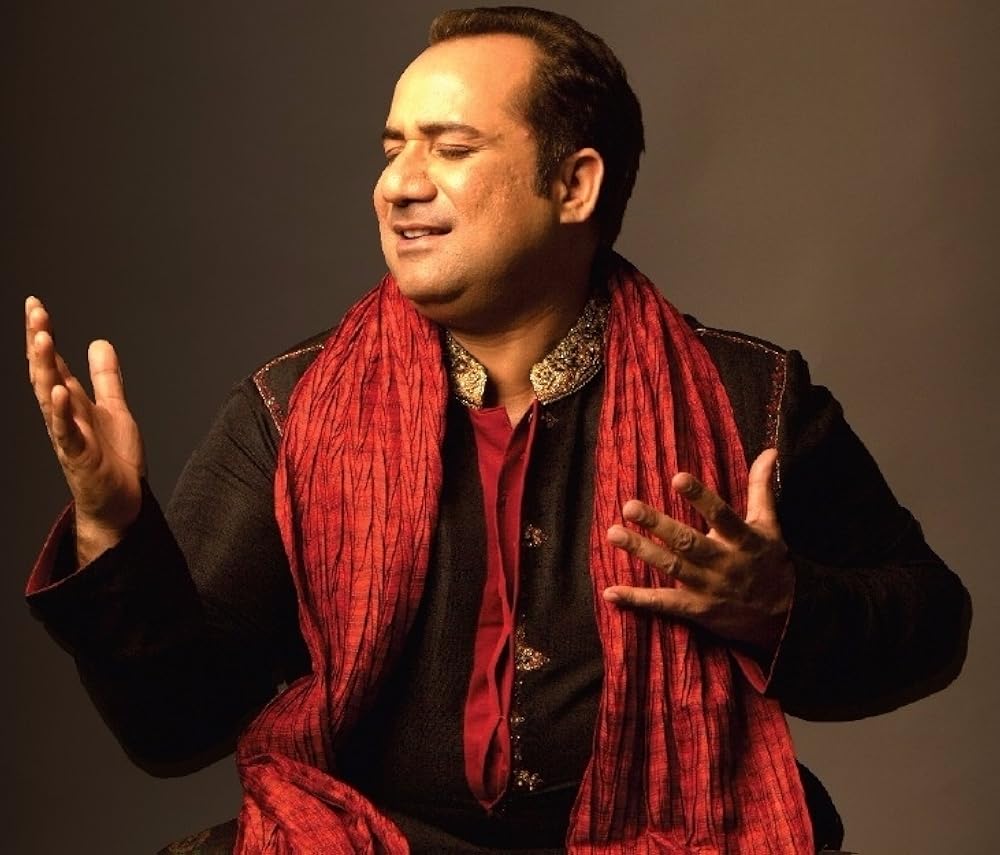
The High Court Intervention: The Lahore High Court (LHC) has stepped in to provide major legal relief to globally acclaimed sufi and playback singer Rahat Fateh Ali Khan. The court formally restored his legal challenge regarding a valuable hereditary estate in Faisalabad, overturning a lower court's decision that had thrown out his case on minor technical grounds. Justice Muhammad Sajid Mahmood Sethi authored an authoritative eight-page judicial verdict that completely set aside the trial court’s previous dismissal, breathing new life into the singer's long-running property battle.
-
The Root of the Technical Dispute: The legal saga traces back to a civil suit initiated by Rahat Fateh Ali Khan in Faisalabad, where he sought formal legal validation and confirmation of his physical possession of a prime double-storey house. A local civil court initially issued an adverse decree against the musician on May 14, 2019. When the singer moved to challenge that setback, a trial court subsequently dismissed his appeal entirely, citing a failure to pay a minor court processing fee amounting to just Rs 15,000.
The Penalty and Resumption Mandate: While the high court completely erased the dismissal order, it did not let the administrative oversight pass entirely without consequence. Justice Sethi directed Rahat Fateh Ali Khan to pay a regulatory fine of Rs 100,000 for the filing delay, while concurrently ordering all involved litigants to appear before the trial court on June 2 to restart formal proceedings.
-
Prioritizing Substance Over Technicalities: In the detailed judgment, the LHC strongly criticized the lower judiciary's rigid approach, observing that dismissing an active appeal simply over a minor unsubmitted processing fee ran counter to the fundamental principles of universal justice. The court noted that the lower trial bench had given the petitioner an unrealistic four-day window to submit the funds, a timeframe it deemed wholly insufficient. Justice Sethi emphasized that the right to an appeal is a vital constitutional protection that must never be stripped away over procedural shortcomings, directing the trial court to review the entire property dispute strictly on its merits and issue a definitive ruling within two months.
-
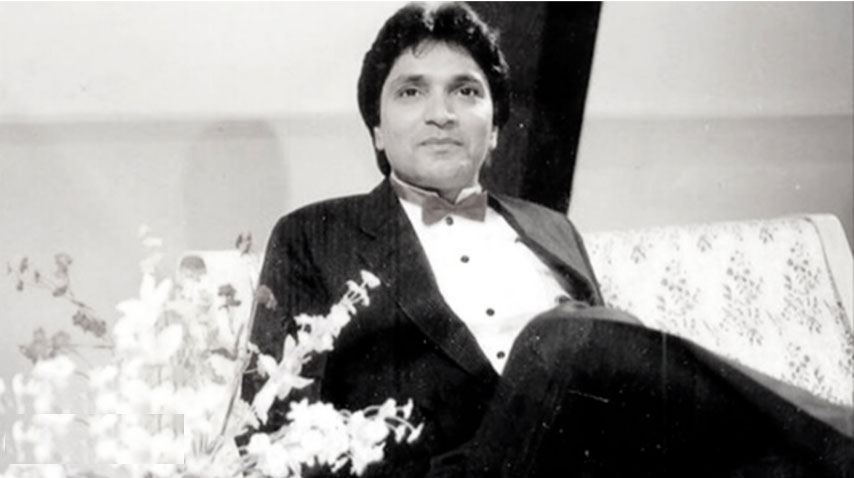
40 Years Without the Comedy King: Remembering 'Ali...
Today marks the 40th death anniversary of Pakistan’s legendary comedy king Rafi Khawar, ...
.jpg)
-
Alhamdulillah, I Am Alive': Legendary Ghazal Singe...
Legendary ghazal singer Tahira Syed has rubbished viral social media rumors of her death, ...

-
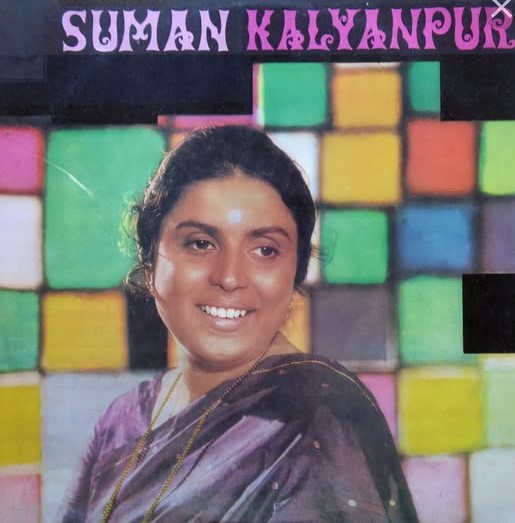
Suman Kalyanpur, Voice of Golden Era Hits Like 'Aa...
Veteran Indian playback singer Suman Kalyanpur, famous for iconic tracks like 'Aajkal Tere...
-
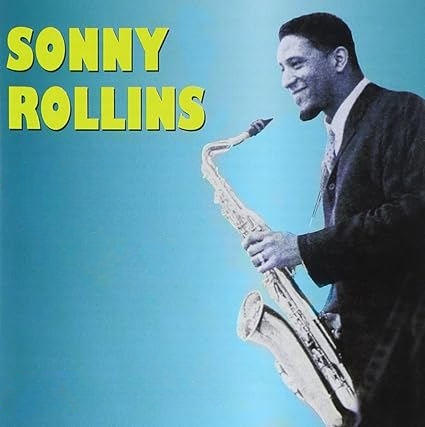
The Last Titan: Jazz Legend Sonny Rollins, the 'Sa...
Sonny Rollins, the iconic "Saxophone Colossus" and one of the last surviving giants of the...
-
15 Years Without the King of Comedy: Pakistan Reme...
Pakistan is observing the 15th death anniversary of the iconic artist, comedian, and host ...