TRADE & ECONOMY

Pakistan’s oil supply chain is coming under renewed pressure as soaring global petroleum prices and rising import costs strain foreign exchange availability, despite comfortable domestic fuel stocks.
The issue was highlighted during a meeting of the special cabinet committee on petroleum prices, chaired by Finance Minister Muhammad Aurangzeb.
Industry representatives informed the meeting that foreign exchange constraints were intensifying due to sharply increased global oil prices, higher insurance premiums, freight charges, and import costs. These challenges have significantly raised the financial requirements for oil imports.
Oil marketing companies, led by Pakistan State Oil (PSO), pointed out that their credit limits in local currency have not been revised, even though their foreign exchange needs have more than doubled since the escalation of the US-Israel war on Iran.
Previously, credit limits were set when petrol and diesel prices hovered around $70 and $90 per barrel. However, prices have now surged beyond $132 and $190 per barrel, respectively. Import premiums have also spiked significantly, rising above $20 per barrel compared to earlier levels of $5–6.
As a result, commercial banks have been unable to provide full foreign exchange coverage for oil imports. The industry urged authorities, including the State Bank of Pakistan, to increase credit limits or introduce alternative financing mechanisms to ensure uninterrupted fuel imports.
Despite these financial pressures, petroleum stock levels have improved in recent days. Petrol stocks currently provide more than 29 days of coverage, while diesel stocks stand at around 26 days. Crude oil reserves have also increased to approximately 14 days of cover.
The committee was informed that global oil markets remain highly volatile and “exceptionally tight,” driven by supply-side uncertainties linked to regional tensions. Elevated cargo premiums are expected to persist in the near term, further increasing the landed cost of imports.
Finance Minister Aurangzeb directed officials to engage with the State Bank and the Pakistan Banks’ Association to explore solutions such as temporary credit limit enhancements and consortium-based financing arrangements. The central bank governor assured that prudential limits would be reviewed on a priority basis, while banks were encouraged to adopt a more flexible approach.
The meeting also reviewed domestic fuel supply conditions and found them stable despite global volatility. Officials noted that ongoing imports, refinery operations, and scheduled cargo deliveries are helping maintain adequate stock levels across the country.
The Petroleum Division reported that one crude oil shipment had arrived and was being unloaded, while another vessel was expected to reach Karachi shortly. Additional cargoes are in transit, with further import plans in place for March and April to strengthen reserves.
Authorities also observed an increase in fuel demand in recent weeks and stressed the need for strict monitoring to prevent hoarding and ensure smooth distribution. Provincial governments and regulatory bodies have been directed to enhance inspections and enforce compliance.
With the upcoming Eid holidays and the ongoing harvesting season, the committee reviewed contingency plans and confirmed that oil marketing companies would remain operational to meet demand without disruption.
Efforts are also underway to improve monitoring through a digital dashboard that will provide real-time visibility of fuel stocks and supply conditions. The finance minister emphasised timely data sharing among stakeholders to support effective decision-making.
Additionally, Pakistan is engaging with international partners to diversify its oil supply sources and reduce the risk of disruptions. Government-to-government arrangements are being explored to secure additional volumes in the coming weeks.
Aurangzeb reiterated that ensuring uninterrupted fuel supply while minimising the burden on consumers remains the government’s top priority. He noted that proactive planning and coordination have helped maintain stability in domestic supply despite rising global pressures.
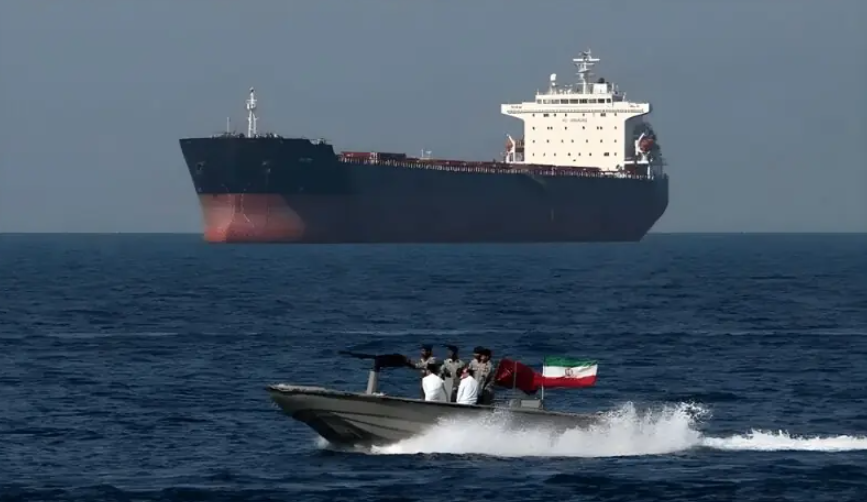
The surge in global oil prices has been partly attributed to disruptions in key shipping routes, including the Strait of Hormuz, a vital corridor for global oil transport. The situation has already impacted Pakistan, prompting the government to increase petrol and diesel prices by Rs55 earlier this month.
While fuel prices remained unchanged in the latest review, the government raised kerosene prices by Rs40 per litre, reflecting continued pressure from international markets.
-
Study Warns Pakistan of Economic Risks if Strait o...
Pakistan Institute of Development Economics warns that closure of the Strait of Hormuz cou...
-
Pakistan Fully Secured on Fuel Supplies, PM Assure...
Pakistan has sufficient petrol for 27 days and diesel for 21, PM Shehbaz Sharif says. Govt...

-
Pakistani Oil Tanker ‘Karachi’ Crosses Strait ...
The PNSC tanker ‘Karachi’ safely crosses the Strait of Hormuz toward Pakistan despite ...
-
Pakistan Has Petrol for 27 Days, Diesel for 21 Day...
Pakistan has petrol reserves for 27 days and diesel for 21 days, Petroleum Secretary Hamed...
-
KSE-100 Index Plunges 4,687 Points Amid Oil Price ...
Pakistan’s KSE-100 index tumbled 4,687 points (-3.05%) on Monday, extending its losing s...